In the vast and competitive landscape of digital marketing, Search Engine Optimization (SEO) emerges as the key to unlocking online visibility and success. This comprehensive guide aims to demystify SEO and provide actionable strategies for businesses aiming to thrive in the digital realm.
Understanding the Core of SEO
At its essence, Search Engine Optimization (SEO) is the art and science of optimizing digital content to make it more discoverable and rank higher in search engine results.
It’s a strategic approach to aligning your online presence with the algorithms of search engines, ultimately enhancing visibility, attracting organic traffic, and driving digital success. Here’s a link to Search Engine Land`s article about What Is SEO – Search Engine Optimization?.
Components of SEO
On-Page Optimization:
On-page optimization involves refining individual web pages to cater to both search engines and users. This includes crafting compelling meta tags, headers, and strategically placing keywords. The goal is to create content that not only aligns with search intent but also engages and satisfies the user.
Off-Page Optimization:
Off-page optimization extends beyond your website. It’s about building credibility and authority through ethical link-building practices. This includes acquiring high-quality backlinks from reputable sources and leveraging social signals to amplify your online footprint.
Technical SEO:
The technical aspect ensures that your website is not just appealing to users but is also easily navigable for search engines. This involves optimizing site structure, enhancing mobile responsiveness, and improving page load times.
A technically sound website not only provides a better user experience but also earns favor from search engine algorithms.
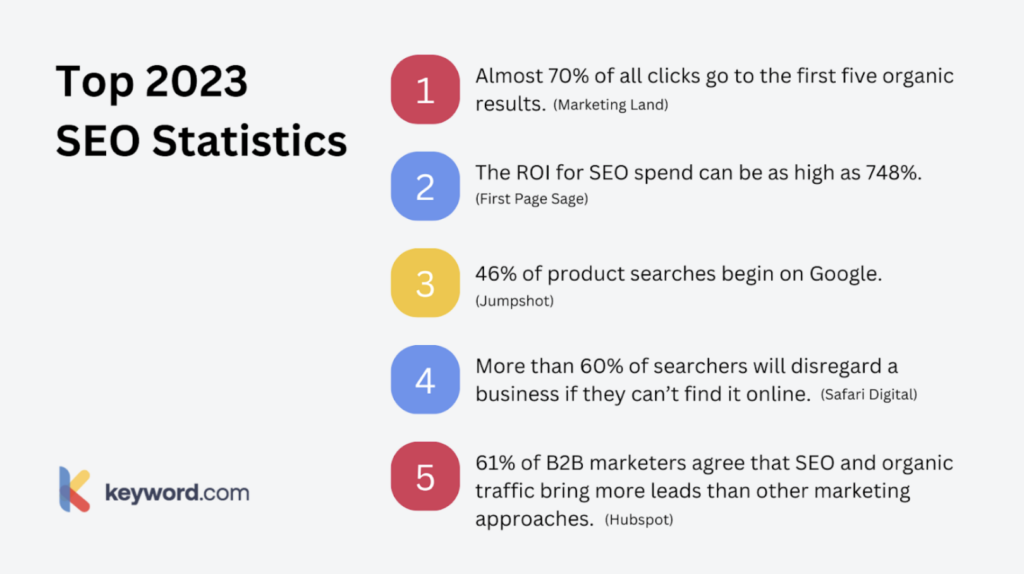
According to research carried out by Keyword.com as shown below is the Top SEO statistics for 2023.
An Illustration showing Top SEO statistics for 2023, Source: Keyword.com.
Evolution of SEO
SEO has undergone a profound evolution. Initially centered around keyword density and backlink quantity, modern SEO has shifted its focus. Search engines now prioritize user experience and relevance. Google’s algorithm updates, such as Panda and Penguin, penalize low-quality content and manipulative link-building practices, emphasizing the importance of providing value to users.
The evolution also encompasses a move toward mobile-first indexing, acknowledging the increasing prevalence of mobile users. SEO has become more sophisticated, with algorithms like BERT understanding context and intent, making search results more precise and user-friendly. Understanding the core of SEO involves recognizing its dynamic nature. It’s not a static set of rules but a strategic adaptation to evolving search engine algorithms and user behaviors.
The core of SEO lies in the seamless integration of on-page, off-page, and technical optimization. It’s about understanding the ever-changing landscape of digital preferences and search engine algorithms. As businesses navigate this dynamic realm, a solid grasp of SEO fundamentals becomes the cornerstone of digital success, ensuring that content not only ranks high but resonates with the audience it seeks to engage.
Crafting a Strategic SEO Blueprint
Keyword Research and Integration
The first step in crafting a strategic SEO blueprint is meticulous keyword research. This involves identifying not just popular keywords, but those that align with user intent.
Understanding the language your audience uses allows for the integration of these keywords seamlessly into your content, optimizing it for search engines without compromising its quality. Keyword mapping ensures that each page of your website is strategically aligned with targeted terms, maximizing visibility.
Content Optimization
Quality content is the heartbeat of effective SEO. Crafting content that not only incorporates targeted keywords but also provides value and engages users is paramount. Diversify content types to include not only text but also multimedia elements like images, videos, and infographics.
Regularly update and refresh content to reflect current trends and maintain relevance. A user-centric approach to content creation not only satisfies search engine algorithms but also keeps your audience coming back for more.
Link Building Strategies
Link building remains a cornerstone of SEO success. Develop a comprehensive strategy that focuses on acquiring high-quality backlinks from authoritative sources. This involves ethical practices such as guest posting, influencer collaborations, and cultivating relationships within your industry.
Avoiding black-hat techniques and prioritizing quality over quantity ensures the longevity and credibility of your link profile.
Technical Finesse
The technical aspects of your website play a crucial role in SEO. Optimize site structure for intuitive navigation and create URLs that are both user-friendly and search engine-friendly.
Prioritize mobile optimization as mobile usage continues to surge. Additionally, address issues related to page speed, ensuring swift load times for an enhanced user experience.Regularly conduct technical audits to identify and rectify any issues that may hinder search engine crawling and indexing.
Adapting to SEO Trends
Google Algorithm Dynamics
The ever-changing landscape of SEO is intricately tied to the dynamic updates in search engine algorithms, particularly Google’s. Staying ahead in the digital realm requires a proactive approach to understanding and adapting to these shifts.
Historical changes, such as the Panda and Penguin updates, emphasize the importance of quality content and ethical link-building practices. Regularly monitoring algorithm updates and aligning strategies with Google’s evolving preferences is essential for maintaining and improving search rankings.
Voice Search Optimization
The rise of voice-activated searches has become a prominent SEO trend. As voice search technology advances, user behavior is shifting towards more conversational queries.
Adapting content to match these natural language searches is crucial for staying relevant. Incorporating long-tail keywords that mirror spoken language, answering specific questions concisely, and ensuring your content is optimized for voice-friendly devices are key strategies in this
evolving landscape.
Local SEO Realities
Local SEO has gained prominence with the increasing emphasis on personalized search results. For businesses targeting specific geographic areas, optimizing for local search is imperative.
This involves ensuring accurate information on platforms like Google My Business, obtaining positive reviews, and securing local citations. Mobile users, often searching for nearby businesses, further emphasize the significance of local SEO strategies.
Measuring and Analyzing SEO Performance
Key Performance Indicators (KPIs)
Understanding and monitoring Key Performance Indicators (KPIs) is paramount in gauging the effectiveness of your SEO efforts. Key metrics include:
Organic Traffic: Assess the volume and quality of visitors from search engines to your site.
Conversion Rates: Measure the percentage of visitors who take desired actions, such as making a purchase or filling out a form.
Bounce Rates: Evaluate the percentage of visitors who leave the site without interacting further.
Click-Through Rates (CTR): Analyze the percentage of users who click on a specific link compared to the total users who viewed the page.
Understanding these KPIs provides a comprehensive view of your SEO performance, enabling strategic adjustments to optimize results.
SEO Tools
Leveraging powerful SEO tools is akin to having a well-equipped arsenal in your digital strategy. Tools such as:
Google Analytics: Provides in-depth insights into website traffic, user behavior, and conversion data.
SEMrush: Assists in keyword tracking, site audits, and competitor analysis.
Moz: Offers tools for site audits, backlink analysis, and keyword research.
Ahrefs: Excels in backlink analysis, helping to understand the link profile and its impact.
By employing these tools, businesses can extract valuable data, identify areas for improvement, and stay ahead of the curve in the competitive digital landscape.
Regular Audits and Updates
Regular SEO audits are the checkpoints that ensure your digital strategy stays finely tuned. These audits involve:
Content Assessment: Evaluate the performance of existing content, identifying gaps or opportunities for improvement.
Technical Analysis: Examine website structure, navigation, and performance to ensure optimal user experience.
Backlink Review: Assess the quality and relevance of backlinks, disavowing any harmful links.
Regular updates involve refreshing content, aligning it with current trends, and adapting strategies to evolving search engine algorithms. This continuous cycle of assessment and adjustment ensures that your SEO efforts remain agile and effective. Measuring and analyzing SEO performance is not just a task but a strategic imperative in the digital realm.
By focusing on KPIs, leveraging powerful SEO tools, and conducting regular audits and updates, businesses can not only track their success but also adapt to the ever-changing dynamics of the online landscape. This commitment to analysis positions organizations for sustained growth, increased visibility, and digital excellence.
Website Architecture in SEO
Importance of Website
Architecture
Website architecture is the blueprint that dictates how information is organized, presented, and navigated on a website. In the realm of SEO, it serves as the foundation upon which a site’s visibility, user experience, and search engine rankings are built. A well-structured website architecture not only facilitates smooth navigation for users but also aids search engines in efficiently crawling and indexing content.
Key Components of Website
1. URL Structure:
A clean and organized URL structure enhances both user experience and SEO. Descriptive and readable URLs provide users and search engines with valuable information about the content of a page. Short, keyword-rich URLs contribute to improved visibility in search results.
2. Logical Site Hierarchy:
Organizing content in a logical hierarchy ensures that users and search engines can easily understand the relationships between different pages. This hierarchy is typically represented through a clear navigation menu that outlines the main categories and subcategories of the website.
3. Internal Linking:
Strategic internal linking connects different pages within the website, distributing authority and helping search engines understand the context and importance of each page. This not only enhances user navigation but also contributes to SEO by spreading link equity.
4. XML Sitemaps:
XML sitemaps provide a roadmap for search engines, guiding them to discover and index all relevant pages on a website. Including key metadata in the sitemap aids in efficient crawling and ensures that search engines understand the priority and frequency of updates for each page.
5. Mobile Responsiveness
In the mobile-centric era, ensuring that a website is responsive across various devices is imperative. Google’s emphasis on mobile-first indexing means that mobile-friendly websites are given priority in search results. Responsive design not only caters to a broader audience but also positively influences search engine rankings.
Best Practices for Website
1. User-Centric Design: Prioritize user experience by organizing content in a way that is intuitive and user-friendly. A seamless user experience not only retains visitors but also contributes to lower bounce rates and higher rankings.
2. Page Load Times: Optimize website speed by compressing images, leveraging browser caching, and utilizing Content Delivery Networks (CDNs). Fast-loading pages contribute to a positive user experience and are favored by search engines.
3. Mobile Optimization: Ensure that the website is designed to be fully functional and visually appealing on various mobile devices. Mobile optimization is not just about responsive design but also about delivering a consistent and enjoyable experience across devices.
As technology advances, the synergy between Search Engine Optimization (SEO) and Artificial Intelligence (A.I.) becomes increasingly profound. A.I. is revolutionizing the way search engines understand, interpret, and rank content. Google’s algorithm, powered by machine learning and A.I., is now adept at comprehending user intent, context, and the nuances of natural language. Please read this blog by Forbes, How AI Will Revolutionize The Future Of SEO.
Conclusion
In conclusion, mastering SEO strategies is not just a choice but a necessity in the dynamic world of digital marketing. By understanding the fundamentals, crafting a strategic blueprint, adapting to trends, and consistently measuring performance, businesses can position themselves for sustained online visibility, increased organic traffic, and improved conversion rates. Please visit our blog page for more insightful blogs and articles about the digital marketing landscape.
SEO is the driving force behind digital success, and this guide serves as a roadmap to navigate its complexities, ensuring businesses leave an indelible mark in the ever-evolving digital landscape.
In the ever-evolving landscape of digital presence, the importance of effective ranking strategies cannot be overstated. Whether you’re a business aiming to boost your online visibility or an individual aspiring to create a notable digital footprint, understanding the nuances of ranking tips is crucial.
The Significance of Ranking
Navigating the Digital Ocean
In the vast sea of online content, standing out is challenging. Ranking serves as the compass that guides users, directing them to the most relevant and valuable information. A high ranking not only increases visibility but also establishes credibility, making it essential for businesses and individuals alike.
Trust and Authority
Users tend to trust and engage with content that appears at the top of search engine results. Effective ranking not only places you in the spotlight but also contributes to building trust and authority in your niche. We’ll explore the psychological aspects behind this phenomenon and its impact on digital success.
Ranking Tips
SEO Fundamentals
Understanding the basics of Search Engine Optimization (SEO) is paramount. Explore the significance of keywords, meta tags, and quality content. Uncover how proper SEO techniques can propel your content to the forefront of search engine results.
A positive user experience is a key factor in ranking algorithms. Delve into the importance of mobile optimization, page load speed, and intuitive navigation. Discover how a seamless user experience can contribute to higher rankings.
Content Quality and Relevance
Content is king, and its quality and relevance directly impact your ranking. Learn how to create compelling, informative, and shareable content. Explore the role of multimedia, structured data, and user engagement in enhancing content quality.
Backlink Building Strategies
Backlinks remain a vital aspect of ranking algorithms. Uncover effective strategies for building high-quality backlinks and establishing a robust digital network. Examine the dos and don’ts of backlink building to ensure long-term success.
Social Media Integration
Social media presence is intertwined with online success. Explore how social signals influence ranking and discover tips for effective social media integration. Learn how to leverage different platforms to enhance your digital visibility.
World Case Examples
Success Stories
Examine real-life success stories of individuals and businesses that have mastered ranking strategies. Explore how they implemented effective techniques, overcame challenges, and achieved remarkable results. These case examples will provide valuable insights and inspiration for readers.
Learning from Failures
Not every journey to digital success is smooth. Analyze cases where ranking strategies fell short, and businesses or individuals faced setbacks. Understand the lessons learned from these failures and how they can be applied to avoid common pitfalls.
Advantages of Effective Ranking
Increased Visibility and Traffic
One of the primary advantages of effective ranking is increased visibility. Dive into how higher visibility translates into more organic traffic. Explore the correlation between ranking and website traffic and how it contributes to overall success.
Building Brand Authority
Ranking at the top positions establishes your brand as an authority in your industry. Understand how a strong online presence can positively impact brand perception and customer trust. Explore strategies for consistently reinforcing brand authority through ranking.
Competitive Edge
In a competitive digital landscape, standing out is crucial. Effective ranking provides a competitive edge, ensuring that your content is discovered before that of your competitors. Explore how staying ahead in rankings can make a significant difference in your industry.
Conversion Rate Optimization
A high-ranking position not only attracts visitors but also contributes to better conversion rates. Delve into the relationship between ranking and conversion optimization. Explore strategies for turning website visitors into customers or loyal followers.
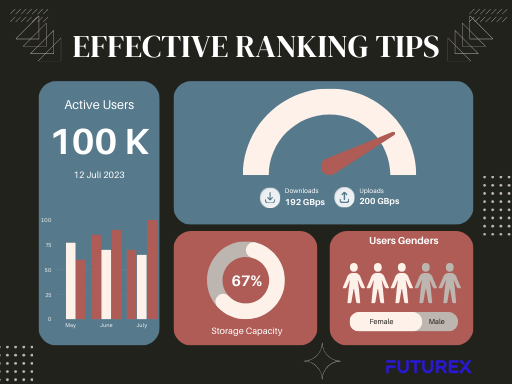
In order to highlight all of the SEO ways to improve your website ranking, please take a look at the image below.
An Illustration about SEO ways to improve your website ranking, Source: Plancod.
Tips to Boost Your Website Ranking
Having a strong online presence is crucial for businesses and individuals alike. A key element of this presence is your website’s ranking on search engines. Whether you’re a seasoned webmaster or a newbie to the online realm, understanding the intricacies of website ranking is paramount. For valuable tips please read How to Check Your Website Ranking.
Optimize Your Website for Search Engines (SEO):
a) Keyword Research:
Conduct thorough keyword research to identify relevant terms for your content. Utilize tools like Google Keyword Planner or SEMrush to find keywords with high search volumes and low competition. b) On-Page SEO:
Optimize your website’s on-page elements, including title tags, meta descriptions, and headers. Ensure that your content is well-structured, informative, and easy to read. c) Quality Content:
Content is king. Produce high-quality, relevant, and engaging content that caters to the needs of your target audience. Regularly update your content to stay current and authoritative.
Mobile Optimization:
With an increasing number of users accessing websites through mobile devices, optimizing your site for mobile is crucial. Google prioritizes mobile-friendly websites, so ensure responsive design and fast loading times for mobile users.
Improve Page Loading Speed:
Users and search engines alike prefer fast-loading websites. Compress images, leverage browser caching, and minimize HTTP requests to improve your website’s loading speed. Tools like Google PageSpeed Insights can provide valuable insights.
Secure Your Website with HTTPS:
Security is a top priority for search engines. Migrate your website to HTTPS to encrypt data and provide a secure browsing experience. Google often rewards HTTPS-enabled sites with higher rankings.
Utilize Social Media:
Social signals are increasingly influencing search engine rankings. Promote your content on social media platforms to increase visibility and drive traffic to your website. Engage with your audience and encourage social sharing.
Build Quality Backlinks:
Earn high-quality backlinks from reputable websites in your niche. Guest posting, influencer outreach, and creating shareable content are effective strategies for acquiring backlinks. Focus on quality over quantity.
Optimize Your Images:
Optimize images by compressing file sizes and adding descriptive alt text. This not only improves page loading times but also contributes to image search rankings.
Create a Sitemap:
Develop an XML sitemap to help search engines understand the structure of your website. Submit the sitemap to search engines like Google to ensure efficient crawling and indexing.
Monitor and Analyze:
Regularly monitor your website’s performance using analytics tools such as Google Analytics. Track key metrics, analyze user behavior, and make data-driven decisions to continually improve your site.
Stay Informed and Adapt:
The world of SEO is dynamic, with algorithms frequently changing. Stay informed about industry trends, algorithm updates, and best practices. Adapt your strategies accordingly to maintain and improve your website’s ranking.
Advanced Strategies for Google Ranking
Schema Markup:
Schema markup is a form of microdata that provides additional information to search engines. Implementing schema markup can enhance the display of your search results, making them more appealing to users. This can lead to higher click-through rates and improved rankings.
Voice Search Optimization:
With the rise of virtual assistants and smart speakers, optimizing for voice search is becoming increasingly important. Focus on conversational keywords and provide concise, informative answers to common questions to align with the way people use voice search.
User Engagement Metrics:
Google pays attention to how users interact with your website. Metrics such as click-through rate (CTR), time on page, and bounce rate provide insights into user engagement. Analyze these metrics regularly and make adjustments to improve user experience.
Local SEO:
For businesses targeting a local audience, optimizing for local search is crucial. Claim and optimize your Google My Business listing, encourage customer reviews, and ensure consistent NAP (name, address, phone number) information across online platforms.
Mastering effective ranking strategies is a journey that involves understanding the significance of ranking, implementing practical tips, learning from case examples, and embracing the numerous advantages that come with a prominent digital presence.
Whether you’re an individual aiming for personal branding or a business seeking online success, investing time and effort in ranking is an indispensable part of the digital roadmap. By unlocking the power of ranking, you pave the way for sustained visibility, credibility, and success in the dynamic world of the internet. Please visit our blog page for more insightful blogs and articles about the digital marketing landscape.
In the dynamic landscape of digital marketing, one strategy has emerged as a true game-changer: video marketing. As attention spans shorten and visual content gains dominance, businesses are increasingly turning to videos to engage, captivate, and convert their target audience. Please read the following HubSpot blog The Ultimate Guide to Video Marketing.
The Rise of Video Marketing
The Evolution of Content Consumption
The internet’s evolution has transformed the way we consume content. From text-heavy websites of the past to the current era dominated by multimedia, videos have become a preferred medium for information consumption.
The Power of Visual Storytelling
Humans are naturally drawn to visual storytelling. Videos enable businesses to convey their messages effectively, creating a lasting impact on viewers. Understanding the psychology behind visual content is crucial for successful video marketing campaigns.
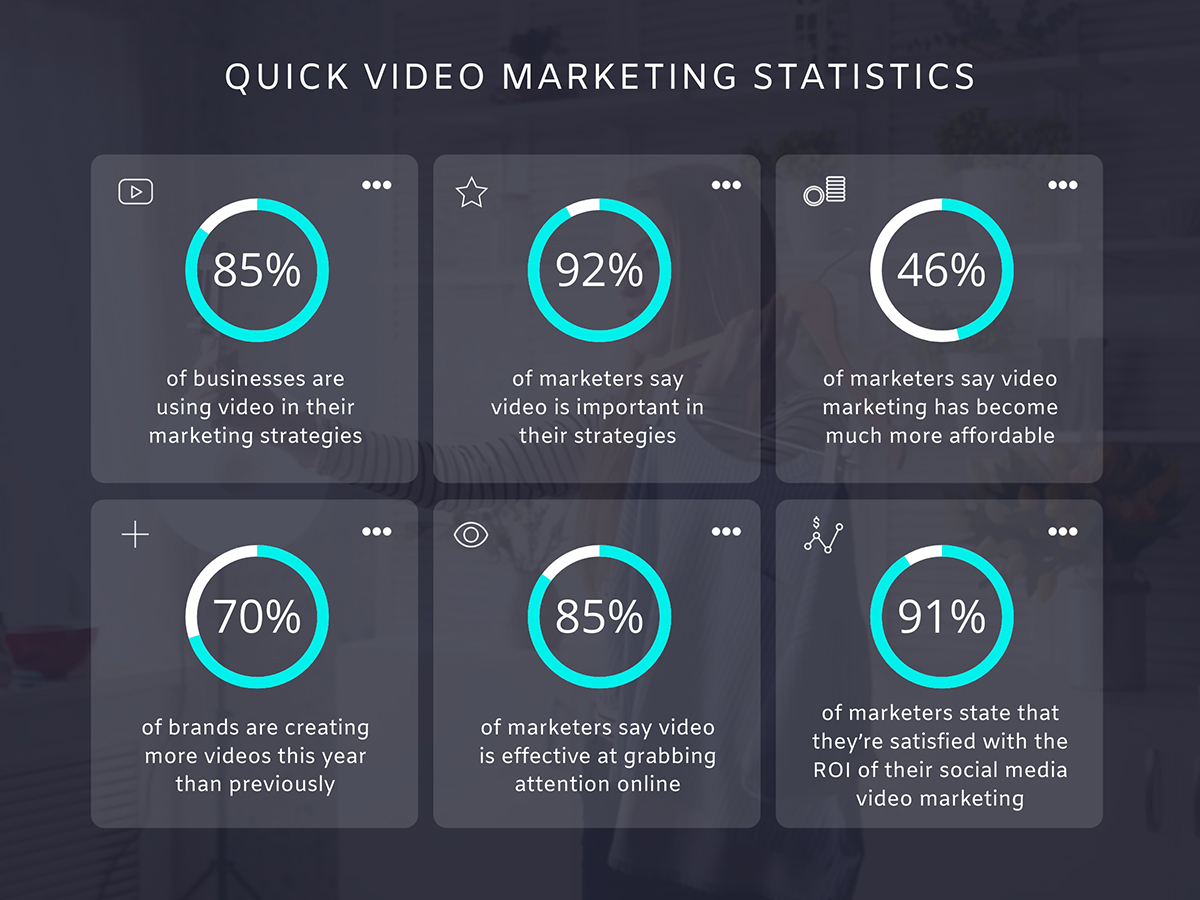
According to research carried out by Visme, here are a few quick video marketing statistics to give you an idea of the current state of video marketing as shown below.
An Illustration showing Video Marketing Statistics, Source: Visme.
Importance of Video Marketing
Boosting Engagement
Videos captivate audiences and hold their attention more effectively than text or images alone. This increased engagement can lead to higher conversion rates and better brand recall.
Improved SEO Rankings
Search engines prioritize diverse and high-quality content. Videos can enhance your website’s SEO by increasing dwell time, reducing bounce rates, and earning valuable backlinks.
Mobile Optimization
With the rise of smartphones, mobile optimization is non-negotiable. Videos are easily consumable on mobile devices, making them an essential component of any mobile marketing strategy.
Building Trust and Credibility
Seeing faces and hearing voices fosters a sense of connection. Video allows businesses to humanize their brand, establishing trust and credibility with their audience.
Types of Video Content
Explainer Videos
Explainer videos simplify complex concepts, making them ideal for introducing products or services. These concise and engaging videos answer common questions and boost customer understanding.
How-To and Tutorial Videos
Educational content is highly sought after. How-to and tutorial videos showcase expertise, providing value to viewers and establishing your brand as an authority in your industry.
Behind-the-Scenes Videos
People love glimpses behind the curtain. Behind-the-scenes videos offer a personal touch, giving viewers a sense of the people and processes behind the brand.
Customer Testimonials
Real stories from satisfied customers build trust. Testimonial videos create social proof, assuring potential customers of the value your products or services provide.
Creating Compelling Video Content
Planning and Scripting
A well-thought-out plan is crucial for effective video marketing. This includes defining goals, identifying the target audience, and scripting content that aligns with your brand message.
High-Quality Production
While not every video needs a Hollywood budget, production quality matters. Clear audio, good lighting, and sharp visuals contribute to a professional and engaging final product.
Video Length and Attention Spans
In a world of fast-scrolling feeds, keeping videos concise is key. Tailor your content to match the attention spans of your target audience, ensuring that your message is delivered before viewers lose interest.
Calls to Action (CTAs)
Every video should have a clear call to action. Whether it’s encouraging viewers to visit your website, subscribe to your channel, or make a purchase, a compelling CTA is essential for driving desired outcomes.
Platforms for Video Marketing
YouTube
As the second-largest search engine globally, YouTube offers a massive audience and diverse content opportunities. Create a dedicated channel, optimize video titles and descriptions, and leverage keywords to maximize visibility.
Instagram
Instagram’s visual nature makes it a prime platform for video content. Use the Stories feature for short, engaging videos and IGTV for longer-form content.
Facebook
With billions of active users, Facebook is a versatile platform for video marketing. Utilize native videos, live streams, and video ads to reach and engage your target audience.
TikTok
TikTok’s explosive growth has made it a hotspot for reaching younger audiences. Short, creative videos can quickly go viral, providing an excellent opportunity for brand exposure.
Analyzing and Optimizing Video Performance
Key Metrics to Monitor
Understanding video analytics is crucial for refining your video marketing strategy. Track metrics such as views, watch time, engagement, and conversion rates to gauge performance.
A/B Testing
Experiment with different video elements, such as thumbnails, titles, and descriptions, to identify what resonates best with your audience. A/B testing can help optimize your videos for maximum impact.
Iterative Improvement
Video marketing is an evolving process. Regularly review analytics, gather feedback, and adapt your strategy to stay relevant and continue meeting the changing needs of your audience.
Overcoming Common Video Marketing Challenges
Budget Constraints
Effective video marketing doesn’t always require a hefty budget. Creativity and strategic planning can help businesses of all sizes produce compelling videos within their financial means.
Fear of Being on Camera
Not everyone is comfortable in front of the camera. Fortunately, there are various video styles, such as animations, screencasts, and voiceovers, that allow businesses to convey their message without the need for on-screen talent.
Staying Consistent
Consistency is key in video marketing. Develop a content calendar, set realistic goals, and adhere to a consistent posting schedule to keep your audience engaged.
The impact of Video Marketing
Video marketing has had a profound impact on the digital landscape, transforming the way businesses connect with their audience and promoting engagement. The impact of video marketing can be observed across various dimensions, influencing consumer behavior, brand perception, and overall marketing effectiveness.
Enhanced Engagement:
Visual Appeal: Video content is inherently more engaging than text or static images. The combination of visuals and sound captures attention, making it more likely for viewers to consume and remember the message.
Increased Conversion Rates:
Boost in Sales: Video marketing has been consistently linked to higher conversion rates. Whether used for product demonstrations, testimonials, or explainer videos, well-crafted videos contribute to building trust and encouraging viewers to take desired actions, such as making a purchase.
Improved Brand Awareness:
Memorable Branding: Video allows for creative storytelling, enabling brands to establish a memorable and distinctive identity. Compelling videos contribute to brand recall and recognition, fostering a deeper connection with the audience.
Social Media Dominance:
Viral Potential: Social media platforms, particularly those emphasizing visual content like YouTube, Instagram, and TikTok, have become hotbeds for video sharing. Viral videos have the potential to reach massive audiences, exponentially increasing brand visibility.
Search Engine Optimization (SEO) Benefits:
Higher Search Rankings: Video content often receives preferential treatment from search engines. Websites with video content are more likely to rank higher in search engine results pages, contributing to increased organic traffic.
Personalized and Targeted Messaging:
Segmentation Possibilities: Video content allows for personalized and targeted messaging. Businesses can create different videos tailored to specific audience segments, addressing the unique needs and interests of diverse demographics.
Enhanced User Experience:
Information Retention: Videos are more effective in conveying complex information. Viewers tend to retain information better when presented in a visual format, contributing to a positive user experience.
Mobile Accessibility:
Mobile-Friendly Content: With the widespread use of smartphones, video content is easily accessible on mobile devices. Businesses that optimize their videos for mobile viewing tap into a larger audience and provide a seamless user experience.
Competitive Edge:
Differentiation: Incorporating video marketing into a digital strategy provides a competitive edge. Businesses that leverage the power of video stand out in crowded markets, demonstrating innovation and a commitment to meeting evolving consumer preferences.
Global Reach:
International Appeal: Videos transcend language barriers and cultural differences. With subtitles and localization, businesses can reach a global audience, expanding their market reach and potentially entering new markets.
Measurable ROI:
Clear Metrics: Video marketing offers measurable results. Businesses can track metrics such as views, watch time, conversion rates, and click-through rates, providing concrete data for assessing the return on investment.
Adaptability to Trends:
Embracing New Technologies: Video marketing allows businesses to stay adaptable to emerging trends. Integration with augmented reality (AR), virtual reality (VR), and other innovations ensures brands remain relevant in a rapidly evolving digital landscape.
The impact of video marketing is multi-faceted, influencing not only the way businesses communicate with their audience but also contributing to broader marketing objectives. As technology continues to evolve, video marketing remains a dynamic and influential force in the ever-changing world of digital marketing.
In the ever-evolving landscape of digital marketing, video has risen to the forefront as a powerful and versatile tool. By understanding the nuances of video marketing, leveraging various types of content, and strategically utilizing platforms, businesses can connect with their audience on a deeper level, driving engagement, building trust, and ultimately achieving their marketing goals. Embrace the video revolution, and unlock the full potential of your brand in the digital age. Please visit our blog page for more insightful blogs and articles about the digital marketing landscape.
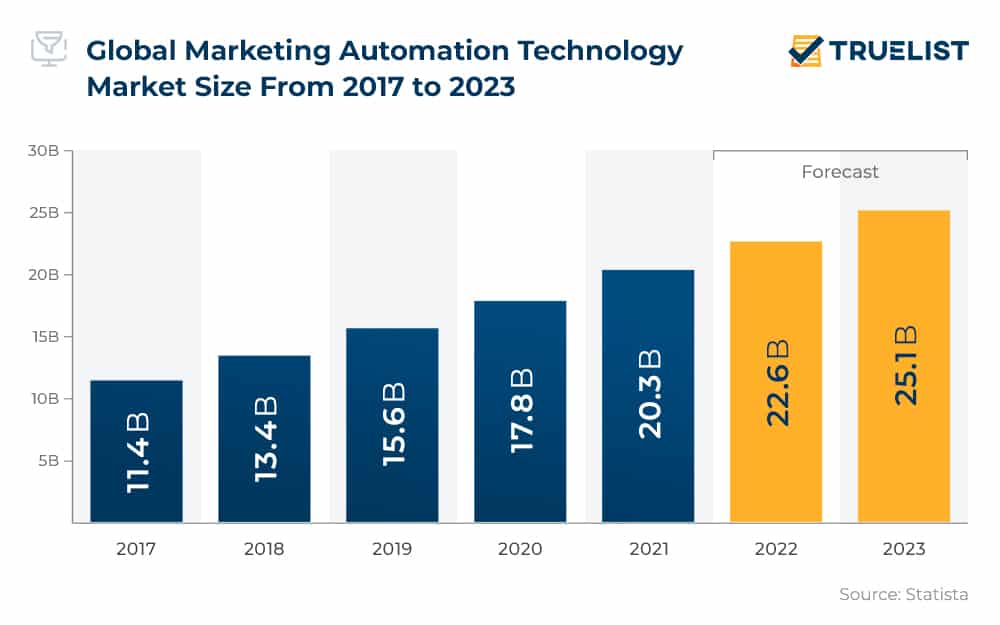
In the fast-paced world of digital marketing, staying ahead of the curve is imperative for businesses aiming to capture the attention of their target audience and drive meaningful engagement. It has emerged as a transformative force, enabling organizations to streamline their marketing processes, enhance customer experiences, and achieve unprecedented levels of efficiency. Here’s a link to Marketing automation statistics from 2017 to 2023 as shown on the image below.
An Illustration about Marketing Automation Statistics from 2017 to 2023, Source: Statista.
I. Understanding: A Primer
Defining :
Marketing automation is a technology-driven strategy that allows businesses to automate repetitive tasks, workflows, and marketing activities across multiple channels. These channels can include email, social media, website interactions, and more. The primary objective is to nurture leads, engage with prospects, and enhance overall customer experiences through personalized and targeted communication.
Core Components:
Email Marketing Automation: Automate email campaigns, from sending personalized welcome emails to nurturing leads through carefully crafted drip campaigns.
Lead Management: Implement lead scoring and tracking to identify high-potential leads and guide them through the sales funnel.
Social Media Automation: Schedule and publish content across various social media platforms, engage with followers, and track social interactions.
Campaign Management: Plan, execute, and monitor marketing campaigns seamlessly through automated workflows.
Analytics and Reporting: Utilize data analytics to track campaign performance, measure key metrics, and gain valuable insights for continuous improvement.
II. Benefits
1. Enhanced Efficiency and Time Savings:
Marketing automation significantly reduces manual tasks, allowing marketing teams to focus on strategic initiatives rather than repetitive chores. Automated workflows streamline processes, from lead generation to customer retention, freeing up valuable time for creativity and innovation.
2. Personalization at Scale:
Delivering personalized content has never been more critical in the digital landscape. Marketing automation enables businesses to create highly personalized experiences for each user by analyzing their behavior, preferences, and engagement history. This personalization fosters stronger connections and improves customer satisfaction.
3. Lead Nurturing and Conversion:
Through automated lead nurturing campaigns, businesses can guide prospects through the sales funnel with targeted content and timely interactions. This nurtures relationships, builds trust, and increases the likelihood of conversions.
4. Data-Driven Decision Making:
Marketing automation platforms provide robust analytics and reporting tools, offering valuable insights into campaign performance, user behavior, and overall marketing effectiveness. This data-driven approach empowers marketers to make informed decisions, refine strategies, and optimize campaigns for better results.
5. Scalability and Consistency:
As businesses grow, marketing automation ensures scalability without a proportional increase in manual effort. Automated processes maintain consistency in messaging, branding, and customer experiences across various channels, regardless of the scale of operations.
III. Implementation Strategies
1. Define Clear Objectives:
Before implementing marketing automation, establish clear goals and objectives. Whether it’s lead generation, customer retention, or improving conversion rates, having a defined roadmap will guide the implementation process.
2. Invest in the Right Platform:
Choose a marketing automation platform that aligns with your business needs, goals, and budget. Consider factors such as ease of use, scalability, integration capabilities, and customer support.
3. Data Integration and Management:
Ensure that your marketing automation platform seamlessly integrates with other essential tools and systems, such as CRM software. Centralized data management enhances the efficiency of automated processes.
4. Segmentation and Targeting:
Implement robust segmentation strategies to divide your audience based on demographics, behavior, or other relevant criteria. This allows for more targeted and personalized marketing campaigns.
5. Content Strategy:
Develop a comprehensive content strategy aligned with your marketing goals. Leverage marketing automation to deliver the right content to the right audience at the right time, fostering engagement and loyalty.
6. Lead Scoring Models:
Establish lead scoring models to prioritize leads based on their interactions and engagement levels. This ensures that sales teams focus their efforts on leads with the highest potential for conversion.
7. Multi-Channel Automation:
Extend automation across multiple channels, including email, social media, and website interactions. Integrated multi-channel automation provides a cohesive and consistent brand experience.
8. Training and Onboarding:
Invest in training programs to ensure your marketing team is proficient in using the chosen automation platform. Familiarity with the tools and features is crucial for maximizing the benefits of automation.
9. Continuous Optimization:
Regularly review and optimize your automated workflows based on performance metrics and user feedback. Continuous improvement ensures that your marketing automation strategies remain effective and aligned with evolving business goals.modern marketing strategies, offering businesses a powerful toolkit to enhance efficiency, personalize interactions, and achieve measurable results.
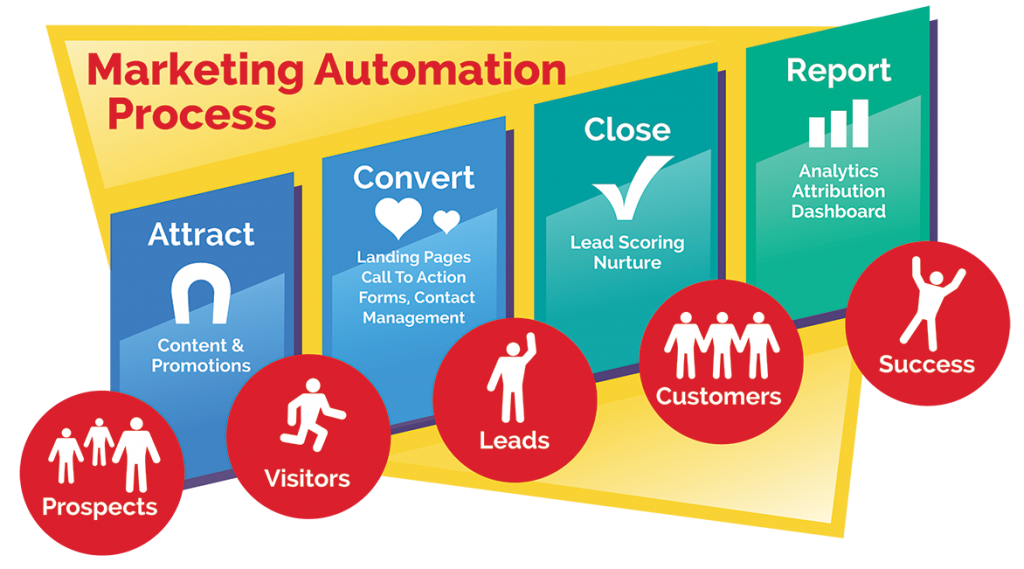
An Illustration on the Marketing Automation Process, Source: ReachMarketing.
Strategic Planning and Goal Setting:
Define Clear Objectives:
Establish specific and measurable goals for your marketing automation efforts. Whether it’s lead generation, customer retention, or improving conversion rates, having well-defined objectives provides a roadmap for success.
Align with Business Strategy:
Ensure that your marketing automation strategy aligns with broader business goals and objectives. This alignment ensures that automation efforts contribute directly to the overall success of the organization.
Choosing the Right Marketing Automation Platform:
Platform Selection:
Choose a marketing automation platform that suits the unique needs of your business. Consider factors such as ease of use, scalability, integration capabilities, and the level of support provided by the platform.
Scalability:
Select a platform that can scale alongside your business. This ensures that the marketing automation solution remains effective as your audience grows, and your marketing needs evolve.
Data Integration and Management:
Integration Capabilities:
Ensure that the chosen marketing automation platform seamlessly integrates with other essential tools, especially customer relationship management (CRM) software. Data integration enhances the efficiency and accuracy of automated processes.
Data Quality and Consistency:
Implement robust data quality practices to maintain the accuracy of customer information. Regular data cleaning, validation, and updates are essential to ensure the success of marketing automation efforts.
Content Strategy:
Comprehensive Content Planning:
Develop a well-thought-out content strategy that aligns with your marketing goals. Utilize marketing automation to deliver the right content to the right audience at the right time, maximizing its impact.
Automation of Content Delivery:
Automate the delivery of content based on user behavior and engagement. This ensures that users receive timely and relevant information, enhancing their overall experience.
Lead Scoring and Nurturing:
Lead Scoring Models:
Establish effective lead scoring models to prioritize leads based on their interactions and behaviors. This ensures that sales teams focus their efforts on leads with the highest potential for conversion.
Automated Lead Nurturing:
Implement automated lead nurturing campaigns to guide prospects through the sales funnel. Tailor the content and interactions based on where leads are in their buying journey.
Multi-Channel Automation:
Integrated Multi-Channel Strategies:
Extend automation across various channels, including email, social media, and website interactions. An integrated approach ensures a cohesive and consistent brand experience across all touchpoints.
Maintain consistency in messaging and branding across different channels. Automated processes help ensure that your brand’s voice remains unified, regardless of the communication platform.
Analytics and Optimization:
Regular Performance Analysis:
Implement a routine analysis of campaign performance using the analytics tools provided by your marketing automation platform. Regular assessments provide insights into what is working well and areas that require improvement.
Iterative Optimization:
Embrace an iterative approach to optimization. Based on performance data, make informed adjustments to your automated workflows, content strategies, and segmentation models for continuous improvement.
Case Studies: Real-World Success Stories:
HubSpot:
HubSpot’s success in the realm of marketing automation is a testament to the platform’s effectiveness. By combining features like lead nurturing, email marketing, and analytics, HubSpot has empowered businesses to achieve inbound marketing success.
Amazon:
Amazon’s use of marketing automation, particularly in personalized recommendations, showcases the impact of automation on customer experience. By analyzing user behavior, Amazon delivers targeted product recommendations, driving higher engagement and sales.
The Future
Integration of AI and Machine Learning:
The future of marketing automation will witness the integration of artificial intelligence (AI) and machine learning. These technologies will enhance predictive analytics, automate decision-making processes, and provide more sophisticated personalization. Please read this blog about The Ultimate AI Marketing Automation Guide for 2024.
Advanced Personalization:
Marketing automation will evolve to offer advanced levels of personalization. Businesses will be able to deliver hyper-personalized experiences based on real-time user behavior, preferences, and contextual data.
Voice and Conversational Marketing:
With the rise of voice-activated devices and chatbots, marketing automation will increasingly focus on conversational marketing. Automated chatbots will engage users in real-time conversations, providing instant support and information.
Overcoming Challenges
1. Integration Challenges:
Integrating marketing automation with existing systems, especially CRM platforms, can pose challenges. Choose platforms that offer seamless integration or invest in additional integration tools to bridge the gap.
2. Data Quality and Accuracy:
Inaccurate or outdated data can compromise the effectiveness of marketing automation. Implement data hygiene practices, such as regular data cleaning and validation, to ensure the accuracy of customer information.
3. Resistance to Change:
Introducing automation may face resistance from team members accustomed to traditional marketing methods. Address concerns through comprehensive training, showcasing the benefits, and fostering a culture of adaptability.
4. Overemphasis on Technology:
While technology is a crucial component, it’s essential not to overlook the human element. Balancing automation with human creativity and strategic thinking ensures a holistic approach to marketing.
Case Studies: Real-world Impact
1. HubSpot:
HubSpot, a leading platform, has empowered businesses of all sizes to streamline their marketing efforts. With features like lead nurturing, email marketing, and analytics, HubSpot has demonstrated how marketing automation can drive inbound marketing success.
2. Amazon:
Amazon’s use of marketing automation is evident in its personalized recommendation engine. By analyzing user behavior and purchase history, Amazon delivers targeted product recommendations, enhancing the overall shopping experience.
The Future
1. AI and Machine Learning Integration:
The future of marketing automation lies in the integration of artificial intelligence (AI) and machine learning. These technologies will enable more sophisticated predictive analytics, personalized content recommendations, and automated decision-making.
2. Advanced Personalization:
As AI evolves, marketing automation will achieve unprecedented levels of personalization. Businesses will be able to deliver hyper-personalized experiences based on real-time user behavior, preferences, and contextual data.
3. Predictive Analytics for Behavior Modeling:
Predictive analytics will play a central role in behavior modeling. The platforms will leverage predictive algorithms to anticipate user behavior, enabling marketers to proactively adjust strategies and campaigns.
4. Voice and Conversational Marketing:
With the rise of voice-activated devices and chatbots, it will increasingly focus on conversational marketing. Automated chatbots will engage users in real-time conversations, providing instant support and information.
Conclusion:
In conclusion, the effective implementation of it requires a strategic, well-planned approach that encompasses various aspects of a business’s marketing ecosystem. From strategic planning and platform selection to data integration, content strategy, and ongoing optimization, each element plays a crucial role in realizing the full potential of it.
By aligning its efforts with business objectives, harnessing the power of personalized content, and embracing a culture of continuous improvement, businesses can not only streamline their marketing processes but also build stronger connections with their audience. Please visit our blog page for more insightful blogs and articles about the digital marketing landscape.
As we navigate the evolving landscape of digital marketing, marketing automation stands as a cornerstone, offering businesses the tools they need to thrive in a competitive and dynamic environment.
In the ever-evolving landscape of digital commerce, businesses are constantly seeking effective ways to stand out and reach their target audience. One powerful strategy that has become indispensable in today’s competitive market is paid marketing.
Whether you’re a seasoned marketer or a business owner looking to enhance your online presence, understanding the intricacies of paid marketing is crucial. In this comprehensive guide, we’ll delve into the world of paid marketing, exploring its various forms, strategies, and best practices to help you boost your business and maximize ROI.
I. Understanding Paid Marketing:
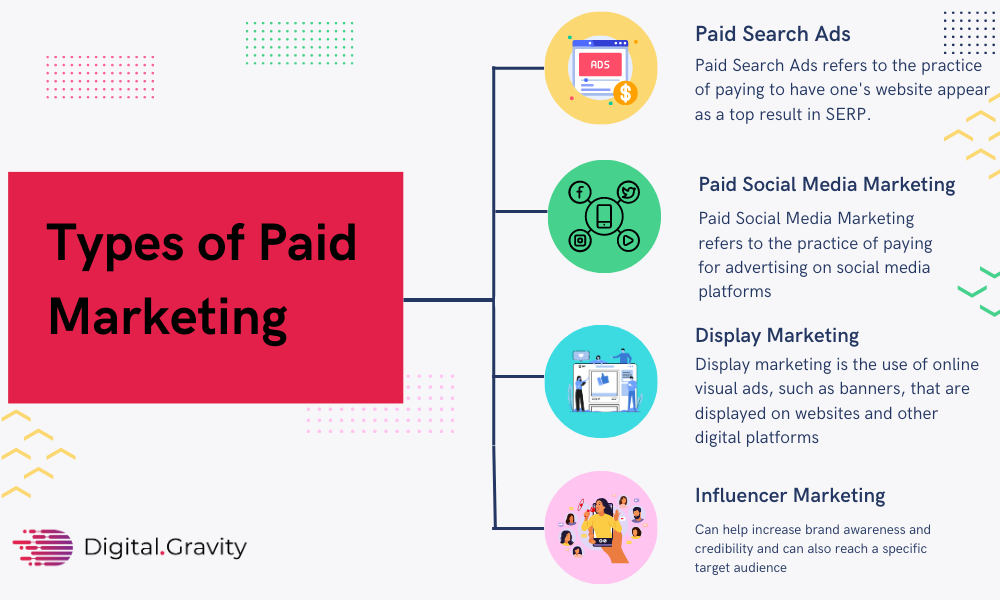
Paid marketing, also known as paid advertising, refers to the practice of paying to promote products, services, or brands through various online channels. The most common types of paid marketing include:
1.Search Engine Marketing (SEM): Utilizing paid search ads on platforms like Google to appear at the top of search engine results.
2.Social Media Advertising: Running paid campaigns on popular social media platforms like Facebook, Instagram, Twitter, and LinkedIn.
3.Display Advertising: Placing visual ads on websites, blogs, and apps to increase brand visibility.
4.Influencer Marketing: Collaborating with influencers to promote products or services to their followers.
Crafting an Effective Paid Marketing Strategy:
A. Define Your Goals:
Before diving into paid marketing, it’s essential to establish clear and measurable goals. Whether it’s increasing brand awareness, driving website traffic, or boosting sales, defining your objectives will shape your overall strategy.
B. Know Your Audience:
Understanding your target audience is fundamental to any successful marketing campaign. Conduct thorough market research to identify your audience’s preferences, behaviors, and pain points, allowing you to tailor your messaging accordingly.
C. Budget Allocation:
Allocate your budget strategically across different channels based on your business goals and target audience. Testing and optimizing your budget allocation over time will help you find the most effective channels for your specific objectives.
D. Keyword Research:
For SEM campaigns, thorough keyword research is crucial. Identify relevant keywords that align with your products or services to ensure your ads appear when potential customers search for related terms.
Paid Marketing Channels:
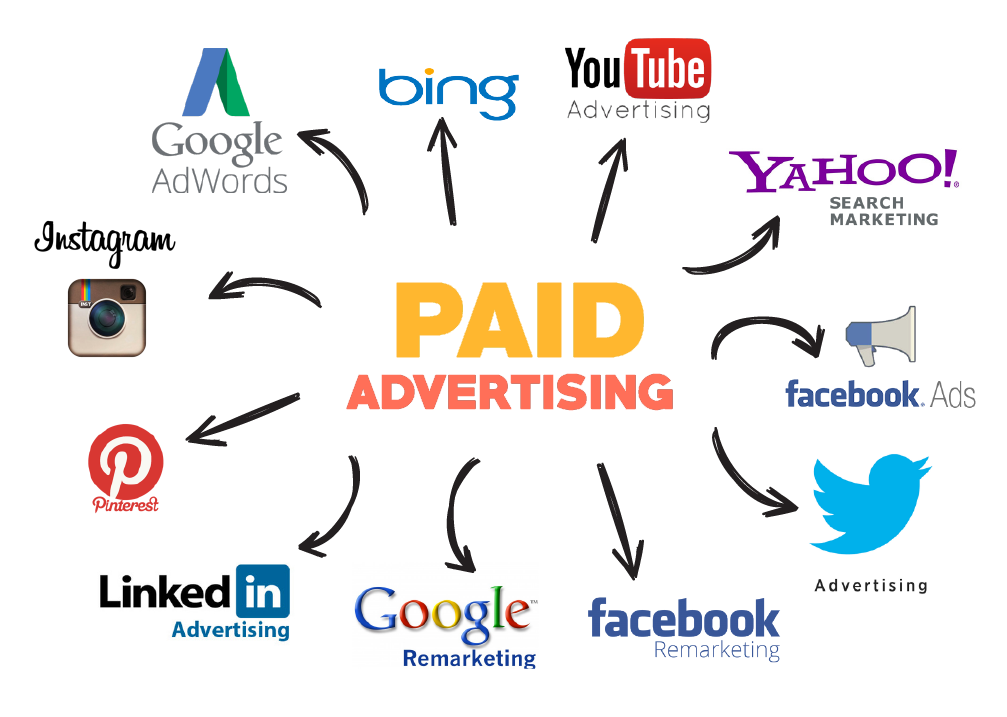
An Illustration about the different Paid Marketing Channels.
A. Search Engine Marketing (SEM):
1.Google Ads: Create targeted ads that appear at the top of Google search results. Utilize features like ad extensions and negative keywords for optimal results.
2.Bing Ads: Expand your reach by running ads on Microsoft’s Bing search engine, reaching users who may not use Google as their primary search engine.
B. Social Media Advertising:
1.Facebook Ads: Leverage Facebook’s vast user base and advanced targeting options to reach specific demographics based on interests, behaviors, and demographics.
2. Instagram Ads: Create visually appealing ads to engage with Instagram’s visually-oriented audience. Utilize Stories, Explore, and in-feed ads for maximum impact.
3.X Ads (FormerlyTwitter): Promote your brand or products with promoted tweets, trends, or accounts, targeting users based on interests and demographics.
4.LinkedIn Ads: Target professionals and businesses with sponsored content, sponsored InMail, or display ads on LinkedIn.
C. Display Advertising:
1.Banner Ads: Design visually appealing banner ads to display on websites within your target audience’s interests.
2.Retargeting: Implement retargeting ads to reconnect with users who have previously visited your website but didn’t convert.
Creating Compelling Ad Creatives:
A. Ad Copy:
1.Crafting Attention-Grabbing Headlines: Create concise and compelling headlines that grab the audience’s attention and encourage further engagement.
2.Compelling Ad Descriptions: Write clear and persuasive ad descriptions that highlight the unique value proposition of your products or services.
B. Visual Elements:
High-Quality Images: Use high-resolution images that showcase your products or services in the best light possible.
Videos: Incorporate video content to increase engagement and convey your brand message in a more dynamic way.
Monitoring and Optimization:
A. Analytics Tools:
1.Google Analytics: Monitor website traffic, user behavior, and conversion metrics to gain insights into the performance of your paid campaigns.
2.Social Media Insights: Use built-in analytics tools on social media platforms to track engagement, reach, and conversion metrics for your paid ads.
B. A/B Testing:
Conduct A/B tests on different elements of your ads, such as headlines, ad copy, visuals, and targeting parameters. Analyze the results to refine your campaigns for optimal performance.
C. Adjusting Bids:
Regularly review and adjust your bidding strategy to ensure you’re getting the best value for your budget. Experiment with bidding strategies such as manual bidding, automated bidding, and target CPA bidding.
An Illustration about the Types of Paid Marketing. Source: DigitalGravity.
Overcoming Common Challenges of Paid Marketing:
A. Ad Fatigue:
Rotate your ad creatives regularly to prevent ad fatigue, ensuring that your audience remains engaged and interested in your offerings.
B. Budget Constraints:
If working with a limited budget, focus on channels that offer the best ROI for your specific business objectives. Consider starting small and gradually increasing your budget as you see positive results.
C. Staying Compliant:
Adhere to the guidelines and policies of each advertising platform to avoid potential issues with ad approval and account suspension.
World Case Studies of Paid Marketing:
Highlighting successful paid marketing case studies can provide real-world examples of effective strategies and inspire businesses to implement similar approaches.
Facebook Ads: Facebook’s advertising platform is a juggernaut in the digital marketing space. With its sophisticated targeting options, businesses can tailor their ads based on demographics, interests, and behaviors.
Google Ads: Google Ads dominates the online advertising landscape, allowing businesses to appear in search results when users look for relevant keywords.
Instagram Influencer Marketing: Leveraging influencers on Instagram is another real-world example of paid marketing. Brands collaborate with influencers to tap into their engaged follower base, effectively promoting products or services.
This approach adds an authentic touch to marketing, as audiences often trust recommendations from influencers they follow.
Pros of Paid Marketing:
Immediate Results:
Pro: One of the most significant advantages of paid marketing is the speed at which it delivers results. Unlike organic methods, such as SEO, paid advertising can generate traffic, leads, and conversions almost instantly.
Targeted Advertising:
Pro: Paid marketing platforms often provide sophisticated targeting options. Advertisers can specify demographics, interests, and behaviors, ensuring their messages reach a highly relevant audience.
Use AI algorithms to analyze customer data and behavior to identify target audiences more accurately. Integrating A.I to Paid Marketing, please read A.I for Paid Media.
Implement programmatic advertising, where AI automates the buying of ads and targeting based on real-time data.
Measurable ROI:
Pro: Paid marketing allows for precise tracking and measurement of return on investment (ROI). Marketers can analyze metrics such as click-through rates, conversion rates, and cost per acquisition to assess the effectiveness of their campaigns.
Brand Visibility:
Pro: Paid marketing increases brand visibility and awareness. Displaying ads on popular platforms ensures that potential customers see the brand, even if they don’t make an immediate purchase.
Flexibility and Control:
Pro: Advertisers have control over their campaigns, allowing them to adjust budgets, targeting parameters, and ad creatives in real-time. This flexibility enables quick adaptation to changing market conditions.
Cons of Paid Marketing:
Costs:
Con: Perhaps the most obvious drawback of paid marketing is the associated costs. Running effective campaigns may require a substantial budget, and competition for ad space can drive up prices.
Ad Blockers:
Con: With the rise of ad blockers, many users actively avoid traditional display ads. This can diminish the effectiveness of paid marketing efforts, especially if the target audience is tech-savvy and frequently uses ad-blocking tools.
Temporary Results:
Con: While paid marketing can yield quick results, its impact is often temporary. Once a campaign ends, so do the benefits. This is in contrast to some organic methods that can provide long-term value.
Trust Issues:
Con: Consumers may view paid ads with skepticism, associating them with a sales pitch rather than genuine information. Building trust through paid advertising can be challenging, especially when compared to organic methods.
Learning Curve:
Con: To run successful paid marketing campaigns, businesses need to navigate through complex platforms, algorithms, and bidding systems. There’s a learning curve involved, and mistakes can be costly.
In the dynamic world of digital marketing, paid marketing stands as a powerful tool for businesses seeking rapid and targeted growth. By understanding the nuances of different paid channels, crafting compelling ad creatives, and continuously optimizing campaigns based on data-driven insights, businesses can elevate their online presence and achieve measurable success.
As technology advances and consumer behaviors evolve, staying adaptable and
informed will be key to unlocking the full potential of paid marketing in driving business growth. Please visit our blog page for more insightful blogs and articles about the digital marketing landscape.