In an era dominated by smartphones and on-the-go consumers, mobile marketing has become an indispensable tool for businesses aiming to stay ahead in the digital landscape. Mobile marketing has emerged as a powerhouse, transforming the way businesses connect with their audience. With the majority of the world’s population owning smartphones, leveraging mobile platforms has become essential for brands seeking to thrive in the digital era. Please read the following Adobe Experience Cloud blog: What is Mobile Marketing?.
Understanding the Mobile Landscape
Mobile-First Mindset
The foundation of successful mobile marketing begins with adopting a mobile-first mindset. Ensure that every aspect of your digital presence, from websites to emails, is designed with the mobile user in mind. Responsive design and streamlined user experiences are non-negotiable.
Mobile Analytics
Harness the power of mobile analytics tools to gain insights into user behavior. Platforms like Google Analytics for Mobile and Mixpanel provide invaluable data on user engagement, allowing you to make informed decisions and refine your mobile strategy.
Optimizing Your Website for Mobile Users
Responsive Design
Craft a seamless and visually appealing experience for mobile users with responsive design. Your website should adapt to various screen sizes and resolutions, ensuring a consistent and user-friendly interface across devices.
Fast Loading Speeds
Mobile users are notoriously impatient. Optimize your website’s loading speed to keep bounce rates low. Compress images, minimize HTTP requests, and leverage browser caching to create a swift and efficient mobile browsing experience.
Intuitive Navigation
Simplify navigation for mobile users. Implement user-friendly menus, intuitive search functionalities, and clear calls-to-action. Ensure that visitors can quickly find what they’re looking for without unnecessary clicks.
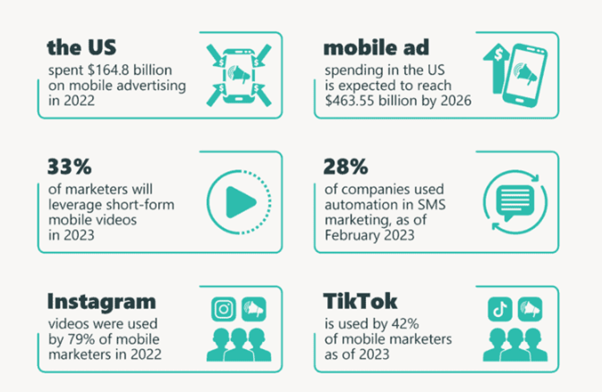
An Illustration about theTop 6 Mobile Marketing Statistic., Source: VPNAlert
Embracing the Power of Mobile Apps
Strategic App Development
Consider developing a mobile app if it aligns with your business model. A well-designed app can enhance customer loyalty, offer personalized experiences, and provide a direct channel for communication.
In-App Marketing
Once your app is live, explore in-app marketing strategies. From push notifications to personalized recommendations, leverage the unique capabilities of mobile apps to engage users directly within the application.
User Reviews and Feedback
Encourage and respond to user reviews. Positive reviews can boost app visibility, while constructive criticism provides valuable insights for improvements. Actively engaging with your app’s user community enhances brand credibility.
Harnessing the Potential of SMS Marketing
Permission-Based SMS Campaigns
Respect user privacy and seek explicit permission before sending SMS messages. Develop permission-based SMS campaigns that offer real value to recipients, such as exclusive deals, time-sensitive promotions, or important updates.
Personalization and Targeting
Segment your SMS campaigns based on user preferences and behaviors. Personalize messages to make recipients feel valued. Use targeted SMS promotions to re-engage dormant users and drive conversions.
Integrating Social Media for Mobile Audiences
Mobile-Optimized Social Content
Craft social media content with mobile users in mind. Use visually striking images, concise captions, and mobile-friendly video formats. Platforms like Instagram and TikTok thrive on mobile-centric content.
Social Commerce Strategies
Explore social commerce opportunities. Many users discover and purchase products directly through social media platforms. Leverage features like shoppable posts and in-app checkout to streamline the purchasing process.
Location-Based Marketing Tactics
Geo Targeted Campaigns
Leverage geotargeting to send relevant messages to users based on their location. Whether it’s offering promotions when users are near your store or providing location-specific information, geotargeting enhances the relevance of your campaigns.
Beacons and Proximity Marketing
Utilize beacon technology for proximity marketing. Beacons can send personalized messages or promotions to users when they are in close proximity to your physical location, enhancing the overall customer experience.
The Future: Emerging Technologies in Mobile Marketing
Augmented Reality (AR) Experiences
Explore the potential of augmented reality for mobile marketing. AR experiences can engage users in innovative ways, from virtual try-on features for products to location-based AR games that drive foot traffic.
Voice Search Optimization
As voice search becomes more prevalent, optimize your mobile content for voice queries. Consider how users might phrase voice commands and tailor your content to align with natural language patterns.
Analytics, Testing, and Continuous Improvement
Mobile-Specific Analytics
Utilize analytics tools specific to mobile platforms. Understand user flows, device-specific behaviors, and conversion paths unique to mobile users. This data is crucial for refining your mobile strategy.
A/B Testing for Mobile Campaigns
Implement A/B testing for your mobile campaigns. Test variations in subject lines, visuals, and calls-to-action to uncover what resonates best with your mobile audience. Apply these insights to optimize future campaigns.
User Feedback and Iterative Improvement
Solicit feedback directly from your mobile users. Whether through in-app surveys or social media, gather insights into user preferences and pain points. Use this feedback for iterative improvements in your mobile strategy.
Compliance and Ethical Considerations
Privacy Compliance
Prioritize user privacy and adhere to data protection regulations. Ensure that your mobile marketing practices comply with laws such as GDPR and prioritize transparency regarding data collection and usage.
Mastering mobile marketing requires a holistic approach that combines technical optimization, strategic planning, and a keen understanding of user behavior.
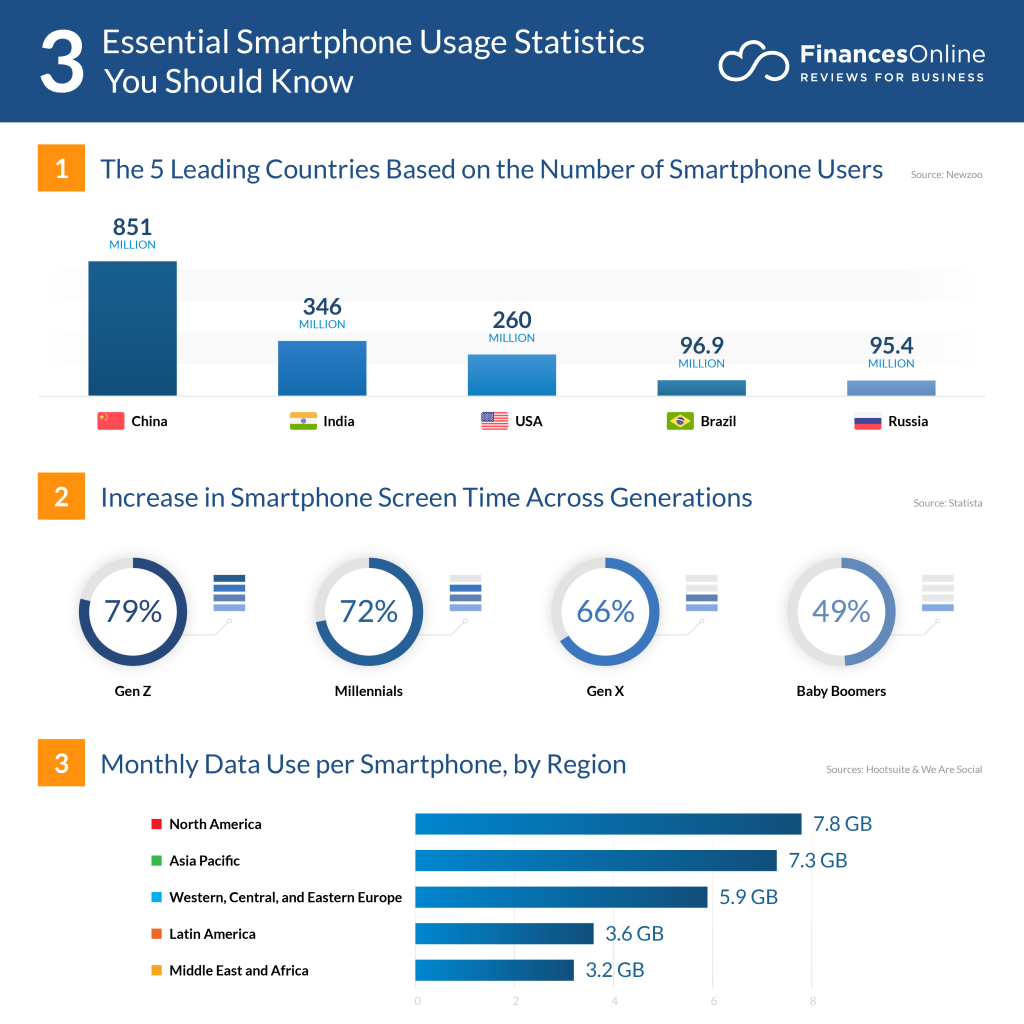
An Illustration showingthestatistics of smartphone usage, Source: FinanceOnline.
Advantages Mobile Marketing
In a world where virtually everyone has a smartphone glued to their hand, mobile marketing has emerged as a transformative force for businesses seeking to connect with their audience in a personalized and immediate way.
1. Ubiquity and Accessibility
The Pocket Powerhouse
One of the greatest advantages of mobile marketing is the sheer ubiquity of smartphones. These devices have become an integral part of daily life, ensuring that your marketing messages are within arm’s reach at all times. Mobile marketing transcends geographical boundaries, providing a global reach that traditional methods often struggle to match.
2. Instantaneous Connectivity
Real-Time Engagement
Mobile marketing enables instantaneous communication with your audience. Whether through SMS, push notifications, or social media apps, you can engage with users in real time. This immediacy is a game-changer, allowing you to deliver time-sensitive promotions, updates, or personalized content directly to the palm of your audience’s hands.
3. Personalization at Scale
Tailoring the Experience
Personalization is not just a buzzword; it’s a cornerstone of effective marketing. Mobile marketing facilitates personalized interactions at scale. Leveraging user data, preferences, and behaviors, you can craft messages and offers that resonate with individual users, fostering a sense of connection and relevance.
4. Enhanced Customer Engagement
From Interaction to Relationship
Mobile marketing opens up a two-way street of communication. Through interactive content, polls, and feedback mechanisms, brands can actively involve their audience. This engagement doesn’t just stop at likes and shares; it lays the foundation for meaningful relationships between brands and consumers.
5. Location-Based Targeting
Where Precision Meets Relevance
Location-based marketing is a potent tool in the mobile marketer’s arsenal. By harnessing GPS data, businesses can send targeted messages to users based on their physical location. Whether it’s promoting a nearby store, offering discounts for local events, or providing geographically relevant information, this form of targeting enhances the contextual relevance of your campaigns.
6. High Open and Click-Through Rates
A Captive Audience
Compared to traditional email marketing, mobile marketing often boasts higher open and click-through rates. With notifications appearing directly on users’ screens, the chances of your message being seen and acted upon are significantly amplified. Crafting compelling messages and CTAs for mobile users can yield impressive conversion rates.
7. Cost-Effectiveness
Doing More with Less
Mobile marketing can be cost-effective compared to traditional advertising channels. Social media platforms, in-app advertising, and SMS campaigns often offer competitive pricing structures. This affordability, coupled with the potential for precise targeting, ensures that businesses of all sizes can harness the power of mobile marketing.
8. Data-Driven Insights
Informed Decision-Making
Mobile marketing platforms provide a treasure trove of data and analytics. From user interactions and engagement metrics to location-based insights, this data enables marketers to make informed decisions. Analyzing these metrics empowers businesses to refine their strategies, optimize campaigns, and adapt to the ever-changing preferences of their audience.
9. Integration with Emerging Technologies
Pioneering the Future
Mobile marketing seamlessly integrates with emerging technologies. Augmented reality (AR), virtual reality (VR), and voice search are all avenues where mobile devices play a pivotal role. By staying at the forefront of these technological trends, businesses can position themselves as innovators, captivating audiences with immersive and cutting-edge experiences.
10. Social Media Dominance
Mobile-First Social Platforms
The rise of mobile has been synonymous with the ascendancy of social media. Platforms like Instagram, TikTok, and Snapchat are inherently mobile-first. Crafting visually compelling content tailored to these platforms allows brands to tap into the immense user bases of social media, driving engagement and brand awareness.
11. Easier Payment Processes
Seamless Transactions
Mobile marketing extends beyond just promotional messages; it includes facilitating transactions. With the prevalence of mobile wallets and integrated payment systems, businesses can streamline the purchasing process. Mobile users can make purchases with just a few taps, reducing friction and increasing conversion rates.
12. Augmented Customer Loyalty
Loyalty Programs Reinvented
Mobile marketing enables innovative loyalty programs. From mobile-exclusive discounts to gamified loyalty apps, businesses can incentivize repeat engagement. The convenience of accessing loyalty rewards directly through a mobile device enhances the overall customer experience.
Mobile marketing is not just a tool in the marketer’s toolkit; it’s a dynamic force that reshapes how businesses connect with their audience. From unparalleled reach and engagement to data-driven insights that fuel continuous improvement, the advantages of mobile marketing are vast and transformative. Please visit our blog page for more insightful blogs and articles about the digital marketing landscape.
As businesses navigate the digital landscape, embracing a mobile-first strategy is not just advantageous—it’s essential for staying relevant, competitive, and ahead of the curve in the evolving world of marketing.
In the ever-evolving landscape of digital marketing, content marketing stands tall as a formidable force that goes beyond mere promotional tactics. It is a strategic approach that involves creating and distributing valuable, relevant, and consistent content to attract and engage a clearly defined audience. Please read the following MailChimp blog: What is content marketing?.
.
Understanding Content Marketing
1. Defining Content Marketing:
Content marketing involves creating and distributing valuable, relevant content to attract and engage a target audience. It goes beyond traditional advertising, focusing on building long-term relationships through storytelling and information sharing.
2. Key Elements of Content:
Relevance: Content should address the needs and interests of your audience.
Value: Provide information, entertainment, or solutions that enrich the audience’s experience.
Consistency: Maintain a regular publishing schedule to keep your audience engaged.
Digital Foundations: Content marketing serves as the cornerstone for building a robust online presence. Through various channels like websites, blogs, and social media, businesses can showcase their expertise and establish authority within their industry.
SEO Enhancement: Search engines love fresh, relevant content. Regularly updating your website with high-quality content enhances its visibility in search engine results, driving organic traffic.
2. Connecting with the Target Audience:
Understanding User Intent: Content marketing allows businesses to create content tailored to the needs, preferences, and pain points of their target audience. By addressing user intent, brands can forge stronger connections with their customers.
Engagement and Interaction: Engaging content sparks conversations. Whether through blog comments, social media shares, or interactive elements, content marketing facilitates meaningful interactions between brands and their audience.
3. Building Brand Authority and Trust:
Educational Content: Brands that share valuable insights and knowledge through content position themselves as industry authorities. Educational content builds trust and credibility.
Authenticity Matters: Consumers appreciate authenticity. Content marketing provides an avenue for brands to share their values, stories, and behind-the-scenes glimpses, fostering trust among their audience.
4. Nurturing Leads and Driving Conversions:
Lead Magnet Content: Ebooks, whitepapers, and webinars are valuable resources that attract potential customers. This lead magnet content nurtures leads through the sales funnel.
Conversion-Optimized Content: Tailoring content for each stage of the buyer’s journey ensures that potential customers receive the right information at the right time, increasing the likelihood of conversions.
5. Diversifying Content Formats:
Visual Appeal: Content marketing is not confined to text. Infographics, videos, podcasts, and interactive content provide diverse ways to convey messages, catering to varied audience
preferences.
Adapting to Trends: Staying ahead in the digital landscape requires adapting to emerging trends. Content marketing allows brands to experiment with new formats and stay relevant.
6. Amplifying Social Media Presence:
Social Sharing: Compelling content encourages users to share it on social media platforms, amplifying a brand’s reach.
Community Building: Social media platforms serve as hubs for community engagement. Content marketing fosters a sense of community around a brand.
7. Measuring and Analyzing Performance:
Data-Driven Insights: Content marketing in the digital age is highly measurable. Analytics tools provide insights into content performance, user behavior, and conversion metrics.
Continuous Optimization: Armed with data, brands can continuously optimize their content strategy, focusing on what works best for their audience.
8. Adapting to Evolving Consumer Behavior:
Mobile Optimization: As users increasingly consume content on mobile devices, content marketing strategies need to be optimized for mobile platforms.
Voice Search Optimization: With the rise of voice-activated devices, content needs to be structured to align with how users phrase voice search queries.
In the dynamic realm of digital marketing, content marketing emerges not just as a tool but as the driving force that shapes brand narratives, fosters relationships, and fuels business growth. It’s not merely about what you sell but about the stories you tell, the value you provide, and the connections you build.
By embracing the power of content, businesses can navigate the digital landscape with resilience, creativity, and an unwavering commitment to meeting the evolving needs of their audience.
World cases of Content Marketing
Content marketing has been successfully implemented by a multitude of companies globally, spanning various industries. Let’s explore some noteworthy world cases that showcase the diverse applications and effectiveness of content marketing strategies.
1. Red Bull: Creating a Lifestyle Brand:
Approach: Red Bull has transformed itself into more than just an energy drink; it’s a lifestyle brand. Through its online magazine, “Red Bull Media House,” the company creates and curates content related to extreme sports, adventure, and lifestyle.
Impact: Red Bull’s content marketing has fostered a community around its brand. Their videos, articles, and events don’t directly promote the drink but instead associate the brand with a high-energy, adventurous lifestyle.
2. Coca-Cola: Sparking Happiness:
Approach: Coca-Cola’s content marketing strategy revolves around the central theme of happiness. The “Share a Coke” campaign is a prime example where personalized bottles with names or terms like “family” and “friends” encourage customers to share moments of joy.
Impact: By connecting with consumers on an emotional level, Coca-Cola’s content marketing reinforces positive associations, making the brand a symbol of shared happiness.
3. Dollar Shave Club: Disrupting the Industry with Humor:
Approach: Dollar Shave Club disrupted the razor industry by using humor and relatable content. Their viral video featuring the founder humorously explaining the benefits of their subscription service garnered immense attention.
Impact: The video’s success not only led to widespread brand recognition but also emphasized how content that entertains and resonates with the audience can drive customer acquisition.
4. Airbnb: Leveraging User-Generated Content:
Approach: Airbnb encourages users to share their travel experiences through user-generated content. The “Experiences” section on their website features stories, photos, and recommendations from hosts and guests.
Impact: By showcasing authentic stories and visuals, Airbnb’s content marketing leverages the power of user-generated content to build trust and inspire potential travelers.
5. HubSpot: Providing In-Depth Resources:
Approach: HubSpot, a leader in inbound marketing, provides a wealth of educational content through blogs, ebooks, webinars, and guides. Their content covers diverse aspects of digital marketing, serving as a valuable resource for businesses.
Impact: HubSpot’s content marketing strategy establishes the brand as an authority in the marketing space. Their educational content also acts as a lead magnet, attracting businesses looking to enhance their marketing efforts.
6. GoPro: Empowering User Creativity:
Approach: GoPro empowers its users to become content creators. The company encourages customers to share their GoPro-captured adventures, creating a vast library of user-generated content that showcases the capabilities of their cameras.
Impact: GoPro’s content marketing relies heavily on the visual appeal of user-generated content, turning customers into brand ambassadors and demonstrating the real-world applications of their products.
7. Nike: Inspiring with Powerful Storytelling:
Approach: Nike is renowned for its powerful storytelling. Their content often revolves around inspiring narratives, such as the “Just Do It” campaign, which focuses on athletes overcoming challenges to achieve greatness.
Impact: Nike’s content marketing doesn’t just sell products; it sells a lifestyle and a mindset. The brand’s storytelling resonates with audiences globally, creating a strong emotional connection.
8. Buffer: Transparent and Educational:
Approach: Buffer, a social media management platform, practices transparent content marketing. They openly share details about their company culture, revenue, and even salaries. Additionally, their blog provides valuable insights into social media and digital marketing.
Impact: Buffer’s transparent approach builds trust with users. Their educational content also positions the brand as a thought leader, attracting businesses seeking social media expertise. Please visit our blog page for more insightful blogs and articles about the digital marketing landscape.
Conclusion
These global cases demonstrate the versatility and effectiveness of content marketing across different industries. From lifestyle branding to disruptive humor and user-generated content, these examples showcase how content can be a driving force in shaping brand perception, fostering community, and driving business success.
In the dynamic landscape of digital marketing, one strategy has emerged as a true game-changer: video marketing. As attention spans shorten and visual content gains dominance, businesses are increasingly turning to videos to engage, captivate, and convert their target audience. Please read the following HubSpot blog The Ultimate Guide to Video Marketing.
The Rise of Video Marketing
The Evolution of Content Consumption
The internet’s evolution has transformed the way we consume content. From text-heavy websites of the past to the current era dominated by multimedia, videos have become a preferred medium for information consumption.
The Power of Visual Storytelling
Humans are naturally drawn to visual storytelling. Videos enable businesses to convey their messages effectively, creating a lasting impact on viewers. Understanding the psychology behind visual content is crucial for successful video marketing campaigns.
According to research carried out by Visme, here are a few quick video marketing statistics to give you an idea of the current state of video marketing as shown below.
An Illustration showing Video Marketing Statistics, Source: Visme.
Importance of Video Marketing
Boosting Engagement
Videos captivate audiences and hold their attention more effectively than text or images alone. This increased engagement can lead to higher conversion rates and better brand recall.
Improved SEO Rankings
Search engines prioritize diverse and high-quality content. Videos can enhance your website’s SEO by increasing dwell time, reducing bounce rates, and earning valuable backlinks.
Mobile Optimization
With the rise of smartphones, mobile optimization is non-negotiable. Videos are easily consumable on mobile devices, making them an essential component of any mobile marketing strategy.
Building Trust and Credibility
Seeing faces and hearing voices fosters a sense of connection. Video allows businesses to humanize their brand, establishing trust and credibility with their audience.
Types of Video Content
Explainer Videos
Explainer videos simplify complex concepts, making them ideal for introducing products or services. These concise and engaging videos answer common questions and boost customer understanding.
How-To and Tutorial Videos
Educational content is highly sought after. How-to and tutorial videos showcase expertise, providing value to viewers and establishing your brand as an authority in your industry.
Behind-the-Scenes Videos
People love glimpses behind the curtain. Behind-the-scenes videos offer a personal touch, giving viewers a sense of the people and processes behind the brand.
Customer Testimonials
Real stories from satisfied customers build trust. Testimonial videos create social proof, assuring potential customers of the value your products or services provide.
Creating Compelling Video Content
Planning and Scripting
A well-thought-out plan is crucial for effective video marketing. This includes defining goals, identifying the target audience, and scripting content that aligns with your brand message.
High-Quality Production
While not every video needs a Hollywood budget, production quality matters. Clear audio, good lighting, and sharp visuals contribute to a professional and engaging final product.
Video Length and Attention Spans
In a world of fast-scrolling feeds, keeping videos concise is key. Tailor your content to match the attention spans of your target audience, ensuring that your message is delivered before viewers lose interest.
Calls to Action (CTAs)
Every video should have a clear call to action. Whether it’s encouraging viewers to visit your website, subscribe to your channel, or make a purchase, a compelling CTA is essential for driving desired outcomes.
Platforms for Video Marketing
YouTube
As the second-largest search engine globally, YouTube offers a massive audience and diverse content opportunities. Create a dedicated channel, optimize video titles and descriptions, and leverage keywords to maximize visibility.
Instagram
Instagram’s visual nature makes it a prime platform for video content. Use the Stories feature for short, engaging videos and IGTV for longer-form content.
Facebook
With billions of active users, Facebook is a versatile platform for video marketing. Utilize native videos, live streams, and video ads to reach and engage your target audience.
TikTok
TikTok’s explosive growth has made it a hotspot for reaching younger audiences. Short, creative videos can quickly go viral, providing an excellent opportunity for brand exposure.
Analyzing and Optimizing Video Performance
Key Metrics to Monitor
Understanding video analytics is crucial for refining your video marketing strategy. Track metrics such as views, watch time, engagement, and conversion rates to gauge performance.
A/B Testing
Experiment with different video elements, such as thumbnails, titles, and descriptions, to identify what resonates best with your audience. A/B testing can help optimize your videos for maximum impact.
Iterative Improvement
Video marketing is an evolving process. Regularly review analytics, gather feedback, and adapt your strategy to stay relevant and continue meeting the changing needs of your audience.
Overcoming Common Video Marketing Challenges
Budget Constraints
Effective video marketing doesn’t always require a hefty budget. Creativity and strategic planning can help businesses of all sizes produce compelling videos within their financial means.
Fear of Being on Camera
Not everyone is comfortable in front of the camera. Fortunately, there are various video styles, such as animations, screencasts, and voiceovers, that allow businesses to convey their message without the need for on-screen talent.
Staying Consistent
Consistency is key in video marketing. Develop a content calendar, set realistic goals, and adhere to a consistent posting schedule to keep your audience engaged.
The impact of Video Marketing
Video marketing has had a profound impact on the digital landscape, transforming the way businesses connect with their audience and promoting engagement. The impact of video marketing can be observed across various dimensions, influencing consumer behavior, brand perception, and overall marketing effectiveness.
Enhanced Engagement:
Visual Appeal: Video content is inherently more engaging than text or static images. The combination of visuals and sound captures attention, making it more likely for viewers to consume and remember the message.
Increased Conversion Rates:
Boost in Sales: Video marketing has been consistently linked to higher conversion rates. Whether used for product demonstrations, testimonials, or explainer videos, well-crafted videos contribute to building trust and encouraging viewers to take desired actions, such as making a purchase.
Improved Brand Awareness:
Memorable Branding: Video allows for creative storytelling, enabling brands to establish a memorable and distinctive identity. Compelling videos contribute to brand recall and recognition, fostering a deeper connection with the audience.
Social Media Dominance:
Viral Potential: Social media platforms, particularly those emphasizing visual content like YouTube, Instagram, and TikTok, have become hotbeds for video sharing. Viral videos have the potential to reach massive audiences, exponentially increasing brand visibility.
Search Engine Optimization (SEO) Benefits:
Higher Search Rankings: Video content often receives preferential treatment from search engines. Websites with video content are more likely to rank higher in search engine results pages, contributing to increased organic traffic.
Personalized and Targeted Messaging:
Segmentation Possibilities: Video content allows for personalized and targeted messaging. Businesses can create different videos tailored to specific audience segments, addressing the unique needs and interests of diverse demographics.
Enhanced User Experience:
Information Retention: Videos are more effective in conveying complex information. Viewers tend to retain information better when presented in a visual format, contributing to a positive user experience.
Mobile Accessibility:
Mobile-Friendly Content: With the widespread use of smartphones, video content is easily accessible on mobile devices. Businesses that optimize their videos for mobile viewing tap into a larger audience and provide a seamless user experience.
Competitive Edge:
Differentiation: Incorporating video marketing into a digital strategy provides a competitive edge. Businesses that leverage the power of video stand out in crowded markets, demonstrating innovation and a commitment to meeting evolving consumer preferences.
Global Reach:
International Appeal: Videos transcend language barriers and cultural differences. With subtitles and localization, businesses can reach a global audience, expanding their market reach and potentially entering new markets.
Measurable ROI:
Clear Metrics: Video marketing offers measurable results. Businesses can track metrics such as views, watch time, conversion rates, and click-through rates, providing concrete data for assessing the return on investment.
Adaptability to Trends:
Embracing New Technologies: Video marketing allows businesses to stay adaptable to emerging trends. Integration with augmented reality (AR), virtual reality (VR), and other innovations ensures brands remain relevant in a rapidly evolving digital landscape.
The impact of video marketing is multi-faceted, influencing not only the way businesses communicate with their audience but also contributing to broader marketing objectives. As technology continues to evolve, video marketing remains a dynamic and influential force in the ever-changing world of digital marketing.
In the ever-evolving landscape of digital marketing, video has risen to the forefront as a powerful and versatile tool. By understanding the nuances of video marketing, leveraging various types of content, and strategically utilizing platforms, businesses can connect with their audience on a deeper level, driving engagement, building trust, and ultimately achieving their marketing goals. Embrace the video revolution, and unlock the full potential of your brand in the digital age. Please visit our blog page for more insightful blogs and articles about the digital marketing landscape.
In the fast-paced world of digital marketing, staying ahead of the curve is imperative for businesses aiming to capture the attention of their target audience and drive meaningful engagement. It has emerged as a transformative force, enabling organizations to streamline their marketing processes, enhance customer experiences, and achieve unprecedented levels of efficiency. Here’s a link to Marketing automation statistics from 2017 to 2023 as shown on the image below.
An Illustration about Marketing Automation Statistics from 2017 to 2023, Source: Statista.
I. Understanding: A Primer
Defining :
Marketing automation is a technology-driven strategy that allows businesses to automate repetitive tasks, workflows, and marketing activities across multiple channels. These channels can include email, social media, website interactions, and more. The primary objective is to nurture leads, engage with prospects, and enhance overall customer experiences through personalized and targeted communication.
Core Components:
Email Marketing Automation: Automate email campaigns, from sending personalized welcome emails to nurturing leads through carefully crafted drip campaigns.
Lead Management: Implement lead scoring and tracking to identify high-potential leads and guide them through the sales funnel.
Social Media Automation: Schedule and publish content across various social media platforms, engage with followers, and track social interactions.
Campaign Management: Plan, execute, and monitor marketing campaigns seamlessly through automated workflows.
Analytics and Reporting: Utilize data analytics to track campaign performance, measure key metrics, and gain valuable insights for continuous improvement.
II. Benefits
1. Enhanced Efficiency and Time Savings:
Marketing automation significantly reduces manual tasks, allowing marketing teams to focus on strategic initiatives rather than repetitive chores. Automated workflows streamline processes, from lead generation to customer retention, freeing up valuable time for creativity and innovation.
2. Personalization at Scale:
Delivering personalized content has never been more critical in the digital landscape. Marketing automation enables businesses to create highly personalized experiences for each user by analyzing their behavior, preferences, and engagement history. This personalization fosters stronger connections and improves customer satisfaction.
3. Lead Nurturing and Conversion:
Through automated lead nurturing campaigns, businesses can guide prospects through the sales funnel with targeted content and timely interactions. This nurtures relationships, builds trust, and increases the likelihood of conversions.
4. Data-Driven Decision Making:
Marketing automation platforms provide robust analytics and reporting tools, offering valuable insights into campaign performance, user behavior, and overall marketing effectiveness. This data-driven approach empowers marketers to make informed decisions, refine strategies, and optimize campaigns for better results.
5. Scalability and Consistency:
As businesses grow, marketing automation ensures scalability without a proportional increase in manual effort. Automated processes maintain consistency in messaging, branding, and customer experiences across various channels, regardless of the scale of operations.
III. Implementation Strategies
1. Define Clear Objectives:
Before implementing marketing automation, establish clear goals and objectives. Whether it’s lead generation, customer retention, or improving conversion rates, having a defined roadmap will guide the implementation process.
2. Invest in the Right Platform:
Choose a marketing automation platform that aligns with your business needs, goals, and budget. Consider factors such as ease of use, scalability, integration capabilities, and customer support.
3. Data Integration and Management:
Ensure that your marketing automation platform seamlessly integrates with other essential tools and systems, such as CRM software. Centralized data management enhances the efficiency of automated processes.
4. Segmentation and Targeting:
Implement robust segmentation strategies to divide your audience based on demographics, behavior, or other relevant criteria. This allows for more targeted and personalized marketing campaigns.
5. Content Strategy:
Develop a comprehensive content strategy aligned with your marketing goals. Leverage marketing automation to deliver the right content to the right audience at the right time, fostering engagement and loyalty.
6. Lead Scoring Models:
Establish lead scoring models to prioritize leads based on their interactions and engagement levels. This ensures that sales teams focus their efforts on leads with the highest potential for conversion.
7. Multi-Channel Automation:
Extend automation across multiple channels, including email, social media, and website interactions. Integrated multi-channel automation provides a cohesive and consistent brand experience.
8. Training and Onboarding:
Invest in training programs to ensure your marketing team is proficient in using the chosen automation platform. Familiarity with the tools and features is crucial for maximizing the benefits of automation.
9. Continuous Optimization:
Regularly review and optimize your automated workflows based on performance metrics and user feedback. Continuous improvement ensures that your marketing automation strategies remain effective and aligned with evolving business goals.modern marketing strategies, offering businesses a powerful toolkit to enhance efficiency, personalize interactions, and achieve measurable results.
An Illustration on the Marketing Automation Process, Source: ReachMarketing.
Strategic Planning and Goal Setting:
Define Clear Objectives:
Establish specific and measurable goals for your marketing automation efforts. Whether it’s lead generation, customer retention, or improving conversion rates, having well-defined objectives provides a roadmap for success.
Align with Business Strategy:
Ensure that your marketing automation strategy aligns with broader business goals and objectives. This alignment ensures that automation efforts contribute directly to the overall success of the organization.
Choosing the Right Marketing Automation Platform:
Platform Selection:
Choose a marketing automation platform that suits the unique needs of your business. Consider factors such as ease of use, scalability, integration capabilities, and the level of support provided by the platform.
Scalability:
Select a platform that can scale alongside your business. This ensures that the marketing automation solution remains effective as your audience grows, and your marketing needs evolve.
Data Integration and Management:
Integration Capabilities:
Ensure that the chosen marketing automation platform seamlessly integrates with other essential tools, especially customer relationship management (CRM) software. Data integration enhances the efficiency and accuracy of automated processes.
Data Quality and Consistency:
Implement robust data quality practices to maintain the accuracy of customer information. Regular data cleaning, validation, and updates are essential to ensure the success of marketing automation efforts.
Content Strategy:
Comprehensive Content Planning:
Develop a well-thought-out content strategy that aligns with your marketing goals. Utilize marketing automation to deliver the right content to the right audience at the right time, maximizing its impact.
Automation of Content Delivery:
Automate the delivery of content based on user behavior and engagement. This ensures that users receive timely and relevant information, enhancing their overall experience.
Lead Scoring and Nurturing:
Lead Scoring Models:
Establish effective lead scoring models to prioritize leads based on their interactions and behaviors. This ensures that sales teams focus their efforts on leads with the highest potential for conversion.
Automated Lead Nurturing:
Implement automated lead nurturing campaigns to guide prospects through the sales funnel. Tailor the content and interactions based on where leads are in their buying journey.
Multi-Channel Automation:
Integrated Multi-Channel Strategies:
Extend automation across various channels, including email, social media, and website interactions. An integrated approach ensures a cohesive and consistent brand experience across all touchpoints.
Maintain consistency in messaging and branding across different channels. Automated processes help ensure that your brand’s voice remains unified, regardless of the communication platform.
Analytics and Optimization:
Regular Performance Analysis:
Implement a routine analysis of campaign performance using the analytics tools provided by your marketing automation platform. Regular assessments provide insights into what is working well and areas that require improvement.
Iterative Optimization:
Embrace an iterative approach to optimization. Based on performance data, make informed adjustments to your automated workflows, content strategies, and segmentation models for continuous improvement.
Case Studies: Real-World Success Stories:
HubSpot:
HubSpot’s success in the realm of marketing automation is a testament to the platform’s effectiveness. By combining features like lead nurturing, email marketing, and analytics, HubSpot has empowered businesses to achieve inbound marketing success.
Amazon:
Amazon’s use of marketing automation, particularly in personalized recommendations, showcases the impact of automation on customer experience. By analyzing user behavior, Amazon delivers targeted product recommendations, driving higher engagement and sales.
The Future
Integration of AI and Machine Learning:
The future of marketing automation will witness the integration of artificial intelligence (AI) and machine learning. These technologies will enhance predictive analytics, automate decision-making processes, and provide more sophisticated personalization. Please read this blog about The Ultimate AI Marketing Automation Guide for 2024.
Advanced Personalization:
Marketing automation will evolve to offer advanced levels of personalization. Businesses will be able to deliver hyper-personalized experiences based on real-time user behavior, preferences, and contextual data.
Voice and Conversational Marketing:
With the rise of voice-activated devices and chatbots, marketing automation will increasingly focus on conversational marketing. Automated chatbots will engage users in real-time conversations, providing instant support and information.
Overcoming Challenges
1. Integration Challenges:
Integrating marketing automation with existing systems, especially CRM platforms, can pose challenges. Choose platforms that offer seamless integration or invest in additional integration tools to bridge the gap.
2. Data Quality and Accuracy:
Inaccurate or outdated data can compromise the effectiveness of marketing automation. Implement data hygiene practices, such as regular data cleaning and validation, to ensure the accuracy of customer information.
3. Resistance to Change:
Introducing automation may face resistance from team members accustomed to traditional marketing methods. Address concerns through comprehensive training, showcasing the benefits, and fostering a culture of adaptability.
4. Overemphasis on Technology:
While technology is a crucial component, it’s essential not to overlook the human element. Balancing automation with human creativity and strategic thinking ensures a holistic approach to marketing.
Case Studies: Real-world Impact
1. HubSpot:
HubSpot, a leading platform, has empowered businesses of all sizes to streamline their marketing efforts. With features like lead nurturing, email marketing, and analytics, HubSpot has demonstrated how marketing automation can drive inbound marketing success.
2. Amazon:
Amazon’s use of marketing automation is evident in its personalized recommendation engine. By analyzing user behavior and purchase history, Amazon delivers targeted product recommendations, enhancing the overall shopping experience.
The Future
1. AI and Machine Learning Integration:
The future of marketing automation lies in the integration of artificial intelligence (AI) and machine learning. These technologies will enable more sophisticated predictive analytics, personalized content recommendations, and automated decision-making.
2. Advanced Personalization:
As AI evolves, marketing automation will achieve unprecedented levels of personalization. Businesses will be able to deliver hyper-personalized experiences based on real-time user behavior, preferences, and contextual data.
3. Predictive Analytics for Behavior Modeling:
Predictive analytics will play a central role in behavior modeling. The platforms will leverage predictive algorithms to anticipate user behavior, enabling marketers to proactively adjust strategies and campaigns.
4. Voice and Conversational Marketing:
With the rise of voice-activated devices and chatbots, it will increasingly focus on conversational marketing. Automated chatbots will engage users in real-time conversations, providing instant support and information.
Conclusion:
In conclusion, the effective implementation of it requires a strategic, well-planned approach that encompasses various aspects of a business’s marketing ecosystem. From strategic planning and platform selection to data integration, content strategy, and ongoing optimization, each element plays a crucial role in realizing the full potential of it.
By aligning its efforts with business objectives, harnessing the power of personalized content, and embracing a culture of continuous improvement, businesses can not only streamline their marketing processes but also build stronger connections with their audience. Please visit our blog page for more insightful blogs and articles about the digital marketing landscape.
As we navigate the evolving landscape of digital marketing, marketing automation stands as a cornerstone, offering businesses the tools they need to thrive in a competitive and dynamic environment.
In the vast landscape of the internet, where millions of websites compete for attention, mastering traffic generation in marketing is crucial for anyone seeking success online. Whether you’re a blogger, a start-up, a business owner, or content creator, understanding how to drive traffic to your website is the key to building a robust online presence. Here’s a link to The Importance of a Traffic Generation for Startups.
Understanding the Importance of Website Traffic Generation.
Before we dive into the strategies, let’s establish why website traffic is so vital. Website traffic is essentially the lifeblood of any online venture. It represents the number of users visiting your website, and the more traffic you can attract, the greater your opportunities for success. Here are some key reasons why mastering traffic generation is essential:
According to a research carried out by HubSpot, Web traffic analytics report ,it shows where websites rank on SERPs as shown below.
An Illustration about where websites rank on SERPs, Source: HubSpot.
I. Enhanced Visibility and Brand Exposure:
One of the primary reasons why website traffic generation is paramount is the direct correlation between visibility and success. Increased traffic means more eyes on your content, products, or services.
This heightened exposure is critical for brand recognition and establishing a digital presence. In a world where online competition is fierce, being visible to your target audience is the first step toward capturing their attention and, ultimately, their business.
II. Boosting Search Engine Rankings:
Search engines, like Google, play a pivotal role in directing users to relevant websites. Websites with higher traffic often rank higher in search engine results pages (SERPs). The algorithms of search engines are designed to recognize popular and frequently visited websites as more credible and relevant.
By consistently generating traffic, you signal to search engines that your website is valuable, leading to improved rankings and, consequently, more organic traffic.
III. Building Credibility and Trust:
For any business or individual seeking success in the digital realm, credibility is non-negotiable. A website that consistently attracts traffic is perceived as more trustworthy and credible by visitors.
Users are more likely to engage with, trust, and make transactions with websites that have a proven track record of attracting a substantial audience. Website traffic, therefore, becomes a key metric in establishing and maintaining trust in the online arena.
IV. Understanding Audience Behavior:
Analyzing website traffic provides valuable insights into user behavior. Through tools like Google Analytics, you can track user interactions, popular content, and the paths visitors take through your site.
This data is a goldmine for understanding your audience’s preferences, allowing you to tailor your content, products, or services to better meet their needs. Informed decision-making based on user behavior is a cornerstone of successful digital strategies.
V. Monetization Opportunities:
For businesses looking to generate revenue online, website traffic is the lifeblood of monetization. Whether through advertising, affiliate marketing, or direct sales, a larger and more engaged audience opens up diverse avenues for generating income.
Many online businesses depend on website traffic to drive sales and conversions, making it an indispensable element of their revenue streams.
VI. Adaptability to Algorithm Changes:
Digital platforms, especially social media and search engines, frequently update their algorithms. Websites heavily dependent on a single source of traffic may face challenges when algorithms change.
Diversifying traffic sources, including organic search, social media, and direct visits, enhances a website’s resilience to algorithmic shifts. By strategically generating traffic from various channels, you reduce the vulnerability to sudden changes in the digital landscape. Please read the following article Understanding Website Traffic Statistics.
Effective Strategies for Traffic Generation
1. Search Engine Optimization (SEO):
Keyword Research: Identify and target specific keywords related to your content or business. Tools like Google Keyword Planner or SEMrush can help you find relevant keywords with high search volumes.
On-Page SEO: Optimize various on-page elements, including meta titles, meta descriptions, headers, and content, to make your pages more search engine-friendly.
Quality Content: Creating valuable, high-quality content not only attracts users but also helps improve your search engine rankings. Google values content that addresses users’ needs and provides relevant information.
Backlink Building: Acquire backlinks from reputable websites in your industry. Quality backlinks signal to search engines that your content is trustworthy and authoritative.
2. Content Marketing:
Blogging: Regularly publishing blog posts establishes your website as a valuable resource in your niche. Moreover, it also provides fresh content for search engines to index.
Guest Posting: Writing articles for other reputable websites in your industry can help you tap into their audience and build backlinks.
Content Upgrades: Offering downloadable resources, such as ebooks or guides, encourages users to provide their email addresses, helping you build a subscriber list.
Podcasting and Videos: Diversify your content by incorporating podcasts and videos. This caters to different preferences and can be shared across various platforms.
3. Social Media Engagement:
Consistent Posting: Regularly share content on social media platforms to keep your audience engaged and informed about your latest offerings.
Visual Content: Visuals like images and videos are more shareable and engaging on social media. Use them to convey your message effectively.
Hashtags: Incorporate relevant hashtags to increase the discoverability of your posts and reach a wider audience.
Interactive Content: Run polls, quizzes, and contests to encourage participation and increase your content’s reach.
4. Email Marketing:
Segmentation: Divide your email list based on user characteristics or behaviors. This allows you to send targeted and personalized content to specific groups.
Personalization: Tailor your email content to each subscriber, addressing their preferences and behaviors. Personalized emails have higher engagement rates.
Automation: Implement automated email sequences for onboarding, nurturing leads, or sending follow-up messages. Automation helps you maintain consistent communication.
5. Influencer Partnerships:
Identify Influencers: Find influencers in your industry whose audience aligns with your target demographic.
Sponsored Content: Collaborate with influencers for sponsored posts or product placements. Their endorsement can introduce your brand to a larger audience.
Affiliate Marketing: Create an affiliate program where influencers earn a commission for driving traffic or sales to your website.
6. Online Advertising:
Google Ads: Invest in paid search advertising to appear at the top of search engine results for specific keywords.
Social Media Ads: Utilize paid advertising on platforms like Facebook, Instagram, or LinkedIn to target specific demographics and increase visibility.
Retargeting: Display ads to users who have visited your site but did not complete a desired action, encouraging them to return.
7. Networking and Community Building:
Partnerships: Collaborate with other businesses or websites through partnerships, co-hosted events, or joint campaigns.
Forums and Communities: Actively participate in online forums or communities related to your niche, establishing yourself as an industry expert.
Webinars and Live Sessions: Host or participate in webinars and live sessions to engage with your audience in real-time and answer their questions.
8. Mobile Optimization:
Responsive Design: Ensure your website is accessible and visually appealing on various devices, especially mobile phones.
App Optimization: If you have a mobile app, optimize it for app store visibility and positive user experiences.
9. User Experience (UX):
Page Speed Optimization: Improve loading times to enhance user experience and reduce bounce rates.
Clear Call-to-Actions (CTAs): Guide users on what actions to take next, whether it’s making a purchase, signing up for a newsletter, or exploring more content.
A/B Testing: Experiment with different layouts, designs, and CTAs to find what resonates best with your audience and maximizes conversions.
10. Analytics and Iteration:
Use Analytics Tools: Leverage tools like Google Analytics to track user behavior, understand where your traffic is coming from, and identify areas for improvement.
Iterative Approach: Regularly analyze data to make informed decisions and adjust your strategies based on performance.
Conversion Rate Optimization (CRO): Optimize your website and content to improve conversion rates, turning visitors into customers or subscribers.
14. Chatbots and Live Chat:
AI-Enhanced Customer Interaction: AI-powered chatbots provide personalized assistance, enhancing user satisfaction and engagement.
Incorporating AI into your traffic generation strategies can significantly boost efficiency and effectiveness, allowing for a more personalized and data-driven approach to reaching and engaging your target audience. Please read this article about Unlocking the Power of AI for Traffic Generation.
Implementing these strategies requires a tailored approach based on your specific goals, target audience, and industry. Regularly monitor performance metrics and be prepared to adapt your strategies to changing trends and audience behaviors.
Advantages of Traffic Generation:
Increased Visibility and Brand Awareness:
Successful traffic generation strategies amplify your online visibility, exposing your brand to a wider audience. This increased exposure can contribute to enhanced brand awareness, making your business more recognizable in the digital sphere.
Boost in Conversions:
More traffic often translates to more potential customers. With a well-optimized website and compelling content, increased traffic can lead to higher conversion rates, positively impacting your bottom line.
Improved Search Engine Rankings:
Search engines often favor websites with higher traffic, considering it as a sign of relevance and authority. As your website climbs the search engine rankings, it becomes more accessible to users actively seeking information related to your niche.
Data Insights and Analytics:
Traffic generation strategies, particularly digital marketing efforts, provide valuable data and analytics. Understanding user behavior, preferences, and demographics can empower you to refine your marketing strategies and optimize your website for better performance.
Monetization Opportunities:
Higher traffic opens up opportunities for monetization, whether through advertising, sponsored content, affiliate marketing, or selling products and services. Successfully executed, these revenue streams can turn your website into a profitable venture.
Conclusion
Mastering traffic generation is an ongoing process that requires a combination of strategies and adaptability. By incorporating a mix of SEO, social media marketing, email campaigns, and other proven techniques, you can steadily increase your online visibility and build a sustainable audience.
Remember, the key is not just to attract traffic but to engage and retain your audience. Providing value through high-quality content and fostering genuine connections will contribute to the long-term success of your online venture.
Stay informed about industry trends, be open to trying new approaches, and consistently refine your strategies to stay ahead in the dynamic world of online traffic generation. Please visit our blog page for more insightful blogs and articles about the digital marketing landscape.
In the ever-evolving landscape of digital commerce, businesses are constantly seeking effective ways to stand out and reach their target audience. One powerful strategy that has become indispensable in today’s competitive market is paid marketing.
Whether you’re a seasoned marketer or a business owner looking to enhance your online presence, understanding the intricacies of paid marketing is crucial. In this comprehensive guide, we’ll delve into the world of paid marketing, exploring its various forms, strategies, and best practices to help you boost your business and maximize ROI.
I. Understanding Paid Marketing:
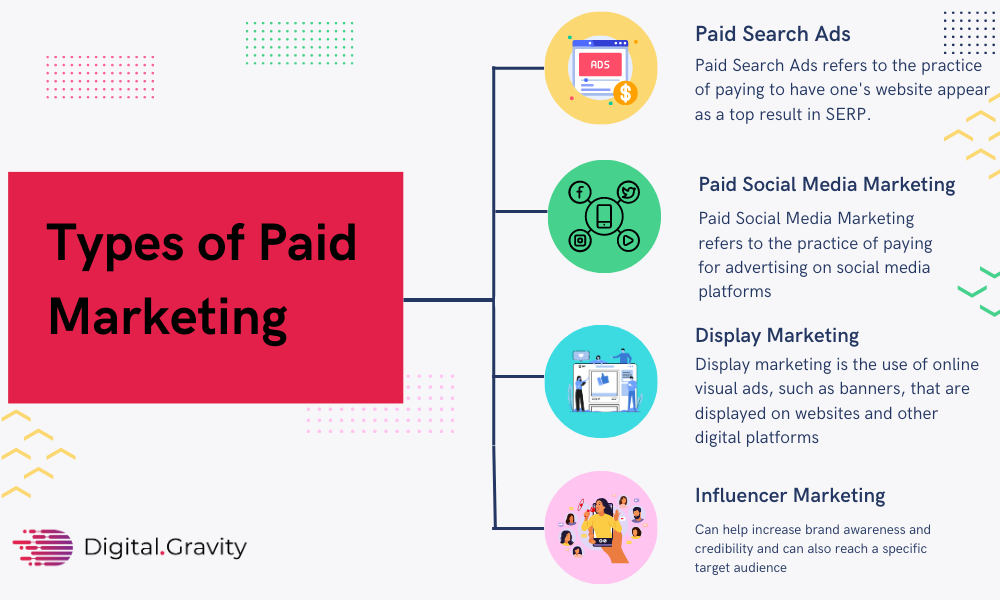
Paid marketing, also known as paid advertising, refers to the practice of paying to promote products, services, or brands through various online channels. The most common types of paid marketing include:
1.Search Engine Marketing (SEM): Utilizing paid search ads on platforms like Google to appear at the top of search engine results.
2.Social Media Advertising: Running paid campaigns on popular social media platforms like Facebook, Instagram, Twitter, and LinkedIn.
3.Display Advertising: Placing visual ads on websites, blogs, and apps to increase brand visibility.
4.Influencer Marketing: Collaborating with influencers to promote products or services to their followers.
Crafting an Effective Paid Marketing Strategy:
A. Define Your Goals:
Before diving into paid marketing, it’s essential to establish clear and measurable goals. Whether it’s increasing brand awareness, driving website traffic, or boosting sales, defining your objectives will shape your overall strategy.
B. Know Your Audience:
Understanding your target audience is fundamental to any successful marketing campaign. Conduct thorough market research to identify your audience’s preferences, behaviors, and pain points, allowing you to tailor your messaging accordingly.
C. Budget Allocation:
Allocate your budget strategically across different channels based on your business goals and target audience. Testing and optimizing your budget allocation over time will help you find the most effective channels for your specific objectives.
D. Keyword Research:
For SEM campaigns, thorough keyword research is crucial. Identify relevant keywords that align with your products or services to ensure your ads appear when potential customers search for related terms.
Paid Marketing Channels:
An Illustration about the different Paid Marketing Channels.
A. Search Engine Marketing (SEM):
1.Google Ads: Create targeted ads that appear at the top of Google search results. Utilize features like ad extensions and negative keywords for optimal results.
2.Bing Ads: Expand your reach by running ads on Microsoft’s Bing search engine, reaching users who may not use Google as their primary search engine.
B. Social Media Advertising:
1.Facebook Ads: Leverage Facebook’s vast user base and advanced targeting options to reach specific demographics based on interests, behaviors, and demographics.
2. Instagram Ads: Create visually appealing ads to engage with Instagram’s visually-oriented audience. Utilize Stories, Explore, and in-feed ads for maximum impact.
3.X Ads (FormerlyTwitter): Promote your brand or products with promoted tweets, trends, or accounts, targeting users based on interests and demographics.
4.LinkedIn Ads: Target professionals and businesses with sponsored content, sponsored InMail, or display ads on LinkedIn.
C. Display Advertising:
1.Banner Ads: Design visually appealing banner ads to display on websites within your target audience’s interests.
2.Retargeting: Implement retargeting ads to reconnect with users who have previously visited your website but didn’t convert.
Creating Compelling Ad Creatives:
A. Ad Copy:
1.Crafting Attention-Grabbing Headlines: Create concise and compelling headlines that grab the audience’s attention and encourage further engagement.
2.Compelling Ad Descriptions: Write clear and persuasive ad descriptions that highlight the unique value proposition of your products or services.
B. Visual Elements:
High-Quality Images: Use high-resolution images that showcase your products or services in the best light possible.
Videos: Incorporate video content to increase engagement and convey your brand message in a more dynamic way.
Monitoring and Optimization:
A. Analytics Tools:
1.Google Analytics: Monitor website traffic, user behavior, and conversion metrics to gain insights into the performance of your paid campaigns.
2.Social Media Insights: Use built-in analytics tools on social media platforms to track engagement, reach, and conversion metrics for your paid ads.
B. A/B Testing:
Conduct A/B tests on different elements of your ads, such as headlines, ad copy, visuals, and targeting parameters. Analyze the results to refine your campaigns for optimal performance.
C. Adjusting Bids:
Regularly review and adjust your bidding strategy to ensure you’re getting the best value for your budget. Experiment with bidding strategies such as manual bidding, automated bidding, and target CPA bidding.
An Illustration about the Types of Paid Marketing. Source: DigitalGravity.
Overcoming Common Challenges of Paid Marketing:
A. Ad Fatigue:
Rotate your ad creatives regularly to prevent ad fatigue, ensuring that your audience remains engaged and interested in your offerings.
B. Budget Constraints:
If working with a limited budget, focus on channels that offer the best ROI for your specific business objectives. Consider starting small and gradually increasing your budget as you see positive results.
C. Staying Compliant:
Adhere to the guidelines and policies of each advertising platform to avoid potential issues with ad approval and account suspension.
World Case Studies of Paid Marketing:
Highlighting successful paid marketing case studies can provide real-world examples of effective strategies and inspire businesses to implement similar approaches.
Facebook Ads: Facebook’s advertising platform is a juggernaut in the digital marketing space. With its sophisticated targeting options, businesses can tailor their ads based on demographics, interests, and behaviors.
Google Ads: Google Ads dominates the online advertising landscape, allowing businesses to appear in search results when users look for relevant keywords.
Instagram Influencer Marketing: Leveraging influencers on Instagram is another real-world example of paid marketing. Brands collaborate with influencers to tap into their engaged follower base, effectively promoting products or services.
This approach adds an authentic touch to marketing, as audiences often trust recommendations from influencers they follow.
Pros of Paid Marketing:
Immediate Results:
Pro: One of the most significant advantages of paid marketing is the speed at which it delivers results. Unlike organic methods, such as SEO, paid advertising can generate traffic, leads, and conversions almost instantly.
Targeted Advertising:
Pro: Paid marketing platforms often provide sophisticated targeting options. Advertisers can specify demographics, interests, and behaviors, ensuring their messages reach a highly relevant audience.
Use AI algorithms to analyze customer data and behavior to identify target audiences more accurately. Integrating A.I to Paid Marketing, please read A.I for Paid Media.
Implement programmatic advertising, where AI automates the buying of ads and targeting based on real-time data.
Measurable ROI:
Pro: Paid marketing allows for precise tracking and measurement of return on investment (ROI). Marketers can analyze metrics such as click-through rates, conversion rates, and cost per acquisition to assess the effectiveness of their campaigns.
Brand Visibility:
Pro: Paid marketing increases brand visibility and awareness. Displaying ads on popular platforms ensures that potential customers see the brand, even if they don’t make an immediate purchase.
Flexibility and Control:
Pro: Advertisers have control over their campaigns, allowing them to adjust budgets, targeting parameters, and ad creatives in real-time. This flexibility enables quick adaptation to changing market conditions.
Cons of Paid Marketing:
Costs:
Con: Perhaps the most obvious drawback of paid marketing is the associated costs. Running effective campaigns may require a substantial budget, and competition for ad space can drive up prices.
Ad Blockers:
Con: With the rise of ad blockers, many users actively avoid traditional display ads. This can diminish the effectiveness of paid marketing efforts, especially if the target audience is tech-savvy and frequently uses ad-blocking tools.
Temporary Results:
Con: While paid marketing can yield quick results, its impact is often temporary. Once a campaign ends, so do the benefits. This is in contrast to some organic methods that can provide long-term value.
Trust Issues:
Con: Consumers may view paid ads with skepticism, associating them with a sales pitch rather than genuine information. Building trust through paid advertising can be challenging, especially when compared to organic methods.
Learning Curve:
Con: To run successful paid marketing campaigns, businesses need to navigate through complex platforms, algorithms, and bidding systems. There’s a learning curve involved, and mistakes can be costly.
In the dynamic world of digital marketing, paid marketing stands as a powerful tool for businesses seeking rapid and targeted growth. By understanding the nuances of different paid channels, crafting compelling ad creatives, and continuously optimizing campaigns based on data-driven insights, businesses can elevate their online presence and achieve measurable success.
As technology advances and consumer behaviors evolve, staying adaptable and
informed will be key to unlocking the full potential of paid marketing in driving business growth. Please visit our blog page for more insightful blogs and articles about the digital marketing landscape.