Google Ads is an essential tool for businesses looking to reach their target audience and increase their online visibility. However, staying up to date with Google’s ever-evolving algorithm can be a challenging task for many advertisers. In this blog post, we will discuss the importance of keeping up with Google Ads algorithm updates and provide valuable tips for maintaining success in your advertising campaigns.
Adapting to Algorithm Changes
Google frequently updates its ad ranking algorithm to ensure that users are provided with the most relevant and useful ads. As an advertiser, it is crucial to stay informed about these changes and adapt your strategies accordingly. Here are some key points to consider when adapting to algorithm changes:
1. Stay Informed
It is essential to stay up to date with Google’s algorithm updates by regularly checking Google’s official announcements and industry forums. This knowledge will help you understand how changes in the algorithm may impact your ad campaigns and give you insights into potential improvements you can make.
2. Analyze Performance Metrics
Regularly analyze your campaign performance metrics to identify any significant changes or trends. Monitor important metrics such as click-through rates (CTR), conversion rates, and Quality Score. Sudden drops or increases in these metrics may indicate the impact of algorithm updates. Use this data to make informed decisions about your ad campaigns.
3. Test, Test, Test
Constantly testing different ad copy, landing pages, keywords, and bidding strategies is crucial to stay ahead of algorithm changes. By testing various elements of your campaigns, you can identify what works best for your target audience and optimize for better performance. This proactive approach will help you adapt to any algorithm updates and maintain a competitive edge.
4. Focus on User Experience
Google’s algorithm updates often prioritize user experience. Ensure that your landing pages provide relevant and engaging content, are mobile-friendly, and have fast loading times. Consider user intent when designing your ad campaigns and landing pages. By focusing on user experience, you will not only align with Google’s algorithm but also provide value to your potential customers.
Tips for Google Ads Success
While keeping up with algorithm updates is crucial, there are also several foundational strategies that can help you achieve success with Google Ads. Here are some valuable tips:
1. Set Clear Goals
Before launching your ad campaigns, establish clear and measurable goals. Whether you aim to increase website traffic, generate leads, or boost sales, defining your objectives will guide your campaign structure and performance tracking.
2. Understand Your Target Audience
Knowing your target audience is fundamental for crafting effective ad campaigns. Conduct market research to identify your ideal customers, their demographics, interests, and preferences. This insight will enable you to tailor your ad content and targeting strategies to reach the right audience at the right time.
3. Implement Conversion Tracking
Conversion tracking allows you to measure the success of your campaigns by tracking specific actions that users take on your website. By implementing conversion tracking, you can evaluate the effectiveness of your ads, optimize your bidding strategies, and make data-driven decisions to improve campaign performance.
4. Optimize Ad Copy and Keywords
Create compelling ad copy that resonates with your target audience. Use relevant keywords that align with your business offerings to increase ad visibility. Continually optimize your ad copy and keywords based on performance data and user feedback to improve ad relevance and attract more clicks.
5. Regularly Monitor and Adjust
Monitor your campaign performance regularly and make necessary adjustments. Continuously analyze your ad performance metrics, including impressions, clicks, and conversions, and make data-driven optimizations to maximize your ROI. Stay vigilant and adapt your strategies based on the changing advertising landscape.
Google Ads Algorithm Updates
Google frequently updates its ad ranking algorithm to ensure that users are provided with the most relevant and high-quality ads. While the specifics of each update are typically not disclosed, Google often announces significant algorithm changes and provides guidance for advertisers. Here are a few notable updates that have had a significant impact on Google Ads:
1. Quality Score Update
Google’s Quality Score is a crucial metric that measures the relevance and quality of your keywords, ads, and landing pages. In recent years, Google has made updates to its Quality Score algorithm to provide a more accurate assessment of the user experience. Advertisers need to focus on improving their Quality Scores to achieve better ad rankings and lower cost-per-click.
2. Mobile-Friendly Algorithm
With the increasing use of mobile devices, Google introduced a mobile-friendly algorithm update that prioritizes websites optimized for mobile browsing. Advertisers must ensure their landing pages are mobile-friendly, fast-loading, and offer a seamless user experience on mobile devices to maintain ad visibility and conversions.
3. Machine Learning Updates
Google’s machine learning algorithms play a vital role in ad targeting and optimization. Google has been continuously refining its machine learning capabilities to deliver more precise ad targeting and improve overall ad performance. Advertisers should embrace machine learning and leverage Google’s automated bidding strategies for better campaign outcomes.
4. Core Updates
Google periodically rolls out core updates that can have a substantial impact on organic search results and, consequently, paid search ads. Advertisers need to stay informed about these updates and analyze their effects on ad rankings and performance.
In conclusion, staying informed about Google Ads algorithm updates is crucial for advertisers looking to maintain success in their campaigns. By adapting to algorithm changes, implementing best practices, and continuously optimizing your campaigns, you can stay ahead of the competition and maximize your return on investment in Google Ads.
A PPC (Pay-Per-Click) campaign is a powerful tool for businesses looking to increase their online visibility and drive targeted traffic to their websites. It allows advertisers to display their ads on search engines and other platforms, and they only pay when a user clicks on their ad. One key aspect of a successful PPC campaign is retargeting. This involves showing ads to users who have already interacted with your website or expressed interest in your products or services. In this blog post, we will explore the impact of retargeting in PPC campaigns and discuss the benefits and strategies associated with this technique.
PPC Campaign Strategies
Before delving into the impact of retargeting, let’s first understand some key PPC campaign strategies that can help drive better results. These strategies are essential for creating a solid foundation for your campaign:
Keyword Research: Identifying and targeting the right keywords is crucial for the success of your PPC campaign. Thorough keyword research can help you identify the terms and phrases that your potential customers are searching for.
Ad Copy Optimization: Creating compelling and relevant ad copy is essential to capture the attention of your target audience. Your ad copy should highlight the unique selling points of your products or services and entice users to click on your ad.
Landing Page Optimization: Once users click on your ad, it’s important to provide them with a seamless and user-friendly experience on your landing page. Optimizing your landing page can improve conversion rates and maximize the ROI of your PPC campaign.
Ad Testing: Regularly testing different ad variations can help you identify which ads are performing the best. A/B testing can provide valuable insights into the messaging and design elements that resonate with your target audience.
Conversion Tracking: Setting up conversion tracking allows you to measure the effectiveness of your PPC campaign. By tracking conversions, you can determine which keywords, ads, and landing pages are driving the most valuable actions on your website.
Impact of Retargeting
Retargeting is a technique that involves showing ads to users who have previously visited your website or shown some level of interest in your products or services. It allows you to stay top of mind with potential customers and encourage them to take further action. Here are some key ways in which retargeting can impact your PPC campaigns:
Increased Brand Awareness: By repeatedly displaying your ads to users who are already familiar with your brand, it helps reinforce your brand image and increases brand recall. This can lead to higher brand awareness and improve the chances of users converting into customers.
Higher Conversion Rates: Retargeting allows you to target users who have already shown interest in your products or services. These users are more likely to convert as they are already familiar with your brand and have expressed some level of intent. By focusing on these warm leads, you can achieve higher conversion rates and maximize the ROI of your PPC campaign.
Improved Ad Relevance: Retargeting enables you to deliver highly targeted and relevant ads to users based on their previous interactions. By customizing your ad messaging and offers to align with their specific interests, you can grab their attention and increase the chances of conversion.
Enhanced Customer Lifetime Value: Retargeting allows you to re-engage with previous customers and encourage repeat purchases. By staying connected with your existing customer base, you can foster long-term relationships, increase customer loyalty, and ultimately boost customer lifetime value.
Reduced Abandoned Carts: One common challenge for e-commerce businesses is shopping cart abandonment. Retargeting can help address this issue by reminding users about the items they left in their cart and enticing them to complete the purchase. This can significantly reduce cart abandonment rates and drive more sales.
Retargeting Benefits and Strategies
Now that we understand the impact of retargeting in PPC campaigns, let’s explore some specific benefits and strategies associated with this technique:
Segmentation: One of the key advantages of retargeting is the ability to segment your audience based on their behaviour on your website. You can create different audience segments and tailor your retargeting ads accordingly. For example, you can target users who visited specific product pages or those who added items to their cart but didn’t complete the purchase.
Dynamic Retargeting: Dynamic retargeting takes personalization to the next level by automatically showing users the specific products or services they viewed on your website. Moreover, this highly tailored approach can increase engagement and conversion rates.
Frequency Capping: To avoid overwhelming users with too many ads, it’s important to implement frequency capping. This ensures that you limit the number of times your ads are shown to each user within a specific time period. This prevents ad fatigue and annoyance.
Ad Creatives: When it comes to retargeting ads, creativity plays a crucial role. It’s important to create visually appealing and compelling ad creatives that catch the users’ attention. Experiment with different ad formats, such as static images, animated GIFs, or even video ads, to see what resonates best with your audience.
Optimized Bidding: Retargeting allows you to focus on users who are more likely to convert. This means you can optimize your bidding strategy accordingly. By assigning higher bids to these valuable segments, you can increase your chances of winning ad auctions and reaching your target audience.
Conclusion
In conclusion, retargeting is a highly effective strategy. It can significantly impact the success of your PPC campaigns. By targeting users who have already shown interest in your brand, retargeting allows you to stay top of mind. Furthermore, it increases conversion rates, and maximizes the ROI of your campaigns. Implementing retargeting strategies, such as segmentation, dynamic retargeting, and optimized bidding, can further enhance the effectiveness of your retargeting efforts. So, if you haven’t already incorporated retargeting into your PPC campaigns, it’s time to leverage this powerful technique. For this and more you can talk to us and lets chat the way forward.
Data privacy in marketing is receiving more attention than ever in this era of rapid technological innovation and growing digital footprint. Businesses must navigate a complex web of regulations designed to protect customer information as they work to leverage data for tailored marketing. In this in-depth guide, we will explore the intricacies of data privacy regulations in 2023 and provide actionable insights for businesses to cultivate trustworthy marketing practices.
Understanding the Importance of Data Privacy:
Introduction:
In an interconnected world, where data fuels marketing strategies, the imperative of safeguarding individuals’ privacy cannot be overstated. We’ll explore the fundamental reasons why data privacy matters and how it forms the bedrock of trustworthy marketing.
Privacy Stories:Encourage readers to share their experiences with data privacy concerns. How have their perceptions of brands changed based on privacy practices? Foster a community discussion in the comments.
Key Data Privacy Regulations in 2023:
GDPR 2.0: The Evolution of European Data Protection:
Delve into the updates and amendments to the General Data Protection Regulation (GDPR), highlighting key changes and their implications for businesses engaged in digital marketing.
California Consumer Privacy Act (CCPA) Enhancements:
Explore the CCPA’s latest iterations, shedding light on how California continues to lead the way in consumer data protection and the impact on businesses, regardless of their physical location.
Emerging Global Standards:
Survey the evolving data privacy landscape beyond Europe and North America, exploring emerging standards and regulations worldwide. Discuss how a global approach is becoming essential for businesses with an international reach.
Regulation Roundtable:Encourage a discussion about how businesses are adapting to new or updated data privacy regulations. What challenges are they facing, and what strategies have proven effective? Invite readers to share their insights.
Building Trust Through Transparent Data Practices:
Communicating Privacy Policies Effectively:
Guide businesses on crafting transparent and easily understandable privacy policies. Explore best practices for communicating data practices to consumers and building trust through clarity.
Consent Mechanisms in Marketing:
Examine effective ways to obtain and manage user consent for data collection and processing. Discuss the importance of granular consent options and the role they play in building trust.
Data Minimization and Purpose Limitation:
Highlight the principles of data minimization and purpose limitation. Discuss how businesses can align their data practices with these principles to not only comply with regulations but also prioritize consumer trust.
Privacy Pledges:Encourage businesses to share their privacy pledges or commitments. How are they communicating their data practices to consumers, and what steps are they taking to build trust?
Securing Customer Data: Best Practices in 2023:
Cybersecurity Measures:
Examine the latest cybersecurity measures that businesses should implement to protect customer data. Discuss encryption, secure storage, and other strategies to safeguard against data breaches.
Employee Training and Data Security Culture:
Highlight the role of employee training in maintaining data security. Explore how fostering a culture of data protection within the organization contributes to overall trustworthiness.
Incident Response Plans:
Guide businesses in developing robust incident response plans. Discuss the importance of transparency and timely communication in the event of a data breach, contributing to rebuilding trust.
Security Success Stories:Invite businesses to share their success stories in enhancing data security. How have robust cybersecurity measures positively impacted their relationships with customers?
The Future of Data Privacy and Marketing:
Anticipating Future Regulations:
Explore the trajectory of data privacy regulations. Discuss anticipated changes and how businesses can proactively prepare for upcoming regulations to stay ahead of compliance requirements.
Consumer Expectations in 2023 and Beyond:
Examine the evolving expectations of consumers regarding data privacy. Discuss how aligning marketing practices with these expectations can contribute to building lasting trust.
Privacy Predictions:Encourage readers to share their predictions about the future of data privacy in marketing. What trends do they foresee, and how are they preparing for potential shifts in regulations?
Conclusion: Forging a Path of Trust in the Digital Era:
Businesses need to exercise caution while navigating in an environment where data is both a valuable resource and a fragile commodity. Businesses can foster a trusting environment by putting customer information protection first, employing transparent processes, and comprehending and abiding by data privacy legislation. In the digital age, where privacy is of utmost importance, adhering to these standards is not only legally required but also demonstrates a dedication to moral and reliable marketing techniques. By doing this, companies respect privacy in the digital era and establish long-lasting relationships founded on openness, respect, and a shared commitment to maintaining legal compliance.
In the dynamic realm of digital marketing, few strategies have left as profound an impact as influencer marketing. What initially emerged as an innovative approach to audience outreach. Has evolved into a dominant force that shapes social media landscapes and redefines the dynamics between consumers and brands. This blog embarks on an exploration of influencer marketing’s evolution. Tracing its roots from modest beginnings to its current status as an indispensable tool for brands.
The Genesis of Influencer Marketing:
To comprehend the evolution of influencer marketing, a retrospective examination of its origins is essential. The inception of influencer marketing can be traced back to the early days of social media,\. This is where individuals with substantial followings began gaining recognition. Initially met with skepticism by brands unsure of their impact on target audiences. Influencers gradually emerged as powerful conduits for product and service promotion.
As platforms like Instagram, YouTube, and TikTok gained prominence, so did the influencers who commanded these spaces. Furthermore, brands soon recognized the potential of harnessing the influence of these digital personalities to amplify their marketing efforts, marking the advent of a new era in advertising.
The Rise of Micro-Influencers:
A pivotal shift in influencer marketing transpired with the ascent of micro-influencers. These individuals, boasting smaller yet highly engaged audiences, became valuable assets for brands seeking to connect with specific niche markets. Micro-influencers brought authenticity to the forefront, as their endorsements felt more sincere and personal compared to mega-influencers with millions of followers.
This shift signaled a departure from the celebrity-centric influencer campaigns of yesteryears. Brands acknowledged that effective influencer marketing wasn’t solely about reaching the widest audience but about fostering meaningful connections with consumers who trusted the influencer’s opinions.
Authenticity and Transparency:
Continuing its evolution, influencer marketing pivoted towards authenticity and transparency as essential elements of successful campaigns. Audiences grew discerning, demanding genuine connections between influencers and the products they endorsed. Influencers who shared personal stories, experiences, and candid reviews resonated more with their followers, fostering increased credibility for both the influencer and the brand.
To meet the demand for authenticity, brands began prioritizing long-term relationships with influencers over one-off collaborations. This strategic shift allowed influencers to seamlessly integrate products into their content, cultivating a sense of trust and reliability among their audience.
The Emergence of Nano-Influencers:
In the ongoing evolution of influencer marketing, the emergence of nano-influencers marked another significant development. Nano-influencers, individuals with small yet highly engaged followings ranging from a few hundred to a few thousand, introduced a hyper-localized and grassroots approach to influencer campaigns.
Brands recognized the potential of nano-influencers to connect with specific communities and demographics, achieving a level of intimacy that larger influencers might find challenging. This trend reinforced the notion that influence isn’t solely determined by follower count but by the depth of connection an influencer has with their audience.
Evolving Platforms and Content Formats:
As social media platforms continued to evolve, so did the ways in which influencers engaged with their audiences. The introduction of features such as Instagram Stories and Snapchat, coupled with the explosive growth of short-form video on TikTok, reshaped the influencer marketing landscape.
Brands had to adapt their strategies to align with these evolving platforms and embrace new content formats. Influencers who swiftly embraced these changes and demonstrated a deep understanding of platform dynamics became even more sought after by brands aiming to stay at the forefront of the competitive digital space.
The Integration of E-commerce:
Influencer marketing underwent a transformation beyond content and platforms, integrating seamlessly with e-commerce. The concept of social commerce, the amalgamation of social media and online shopping, emerged as a potent avenue for influencers to drive direct sales. Influencers began featuring shoppable links, discount codes, and engaging in affiliate marketing, providing a frictionless pathway for their followers to make purchases.
This shift towards e-commerce integration elevated influencer marketing from a mere brand awareness tool to a direct revenue-generating strategy. Brands acknowledged the influence influencers wielded over the purchasing decisions of their audience and began allocating more substantial portions of their marketing budgets to influencer collaborations.
Data-Driven Decision Making:
As influencer marketing continued to mature, data-driven decision-making became a cornerstone of successful campaigns. Brands armed themselves with advanced analytics and tracking tools, allowing for precise assessment of the performance of influencer collaborations. Metrics such as engagement rates, click-through rates, and conversion rates became pivotal in evaluating the effectiveness of campaigns and determining the return on investment.
This data-driven approach empowered brands to refine their influencer marketing strategies, identifying influencers who delivered optimal results for specific objectives. The ability to measure and analyze campaign performance facilitated informed decision-making. Thus, enabling brands to optimize their marketing spend and achieve tangible results.
Challenges and Controversies:
Amidst its evolution, influencer marketing encountered challenges and controversies that demanded attention. Issues such as fake followers, influencer fraud, and a lack of transparency in sponsored content raised concerns within the industry. In response, brands, influencers, and platforms implemented measures to address these issues. This included heightened scrutiny of follower authenticity, clearer disclosure guidelines, and transparency tools provided by social media platforms.
These challenges underscored the importance of ethical practices within the influencer marketing ecosystem. Influencer marketing agencies and platforms played a pivotal role in establishing and enforcing industry standards. This was to ensure the sustainability and credibility of the influencer marketing space.
Statistical Illustration by Collabstr about an increase in influencer marketing spend.
The Future:
Reflecting on the evolution of influencer marketing over the past few years. It becomes evident that this dynamic strategy will continue to shape the future of digital advertising. Several trends and developments offer insights into what lies ahead for influencer marketing:
1. Rise of Virtual Influencers: The emergence of virtual influencers, computer-generated characters with distinct personalities and followings, introduces a new dimension to influencer marketing. These digital entities offer brands a unique way to engage with audiences, blurring the lines between reality and virtual spaces.
2. Video Content Dominance: With the sustained growth of short-form video platforms like TikTok and Instagram Reels. The emphasis on video content across social media, influencers adept at creating compelling videos will be in high demand. Brands are likely to invest more in video-centric influencer campaigns. To capture the attention of audiences in a visually-driven digital landscape.
3. Sustainability and Purpose-Driven Campaigns: Influencers aligning with sustainability and purpose-driven initiatives will gain prominence. As consumers become more conscious of ethical practices. Influencers advocating for social and environmental causes will resonate with audiences seeking authenticity and shared values.
4. Advanced AI and Personalization: The integration of advanced artificial intelligence (AI) technologies will moreover enable brands to personalize influencer marketing campaigns at scale. AI-driven tools can analyze vast amounts of data to identify the most relevant influencers for specific target audiences. This can lead to more effective and targeted collaborations. Please read the following blog The Future of content creation for influencer marketing with ai. It clearly shows how AI is instrumental in the evolution of Influencer Marketing.
5. Immersive Technologies: Augmented reality (AR) and virtual reality (VR) present new opportunities for influencers to create immersive and interactive content. Brands may explore collaborations with influencers who can leverage these technologies to provide unique and engaging experiences for their audience.
Here are some real-world cases illustrating the evolution :
Diversification of Platforms:
Case: Influencer marketing has expanded beyond traditional platforms like Instagram and YouTube. TikTok, for instance, gained immense popularity, leading to the rise of TikTok influencers. Furthermore, brands adapted their strategies to include influencers on these emerging platforms to reach new and younger audiences.
Authenticity and Long-Term Partnerships:
Case: Brands shifted towards building long-term relationships with influencers rather than one-off collaborations. This shift aimed to create more authentic connections between influencers and their audiences. This is as repeated endorsements from the same influencer could be perceived as more genuine.
Micro-Influencers and Nano-Influencers:
Case: Brands started recognizing the value of micro-influencers and even nano-influencers (individuals with smaller follower counts). Moreover, these influencers often have highly engaged niche audiences, and their recommendations can carry a lot of weight.
Performance Metrics and Data Analytics:
Case: The use of data analytics and performance metrics became more prevalent. Brands started demanding clearer metrics and a more data-driven approach. This was done to measure the success and return on investment (ROI) of influencer marketing campaigns.
Virtual Influencers:
Case: Virtual influencers, who are entirely computer-generated, gained attention. Brands experimented with using these virtual personas to promote their products and engage with audiences. This trend raised questions about the definition of authenticity in influencer marketing.
Integration with E-Commerce:
Case: Some platforms introduced features that allowed users to shop directly from influencers’ posts. This integration of influencer marketing with e-commerce aimed to provide a seamless experience for consumers to purchase products featured by their favorite influencers.
Influencer Marketing Regulations:
Case: Various countries started implementing regulations and guidelines for influencer marketing to ensure transparency. Influencers were required to disclose sponsored content explicitly, and failure to comply with these regulations could result in penalties.
Influencer-Owned Brands:
Case: Some influencers evolved into entrepreneurs by launching their own product lines or brands. Brands recognized the potential of collaborating with influencers who had not only a strong online presence but also a product or service of their own.
Conclusion:
Influencer marketing has undergone a remarkable transformation, evolving from a niche strategy to a central pillar of digital advertising. Moreover, the journey from the nascent days of social media influencers to the current landscape of micro, nano and virtual influencers highlights the adaptability and resilience of this dynamic marketing approach. Visit our blog page for more insightful blogs and articles about the digital marketing landscape. You can also find us at LinkedIn, Instagram and Facebook.
In an era where global challenges like climate change, social inequality, and environmental degradation loom large, businesses are increasingly recognizing the importance of incorporating sustainability and Corporate Social Responsibility (CSR) into their core values and operations. Sustainability and Corporate Social Responsibility (CSR) are not just buzzwords; they represent a paradigm shift in the way companies engage with their stakeholders and the broader community.
Defining Sustainability and CSR:
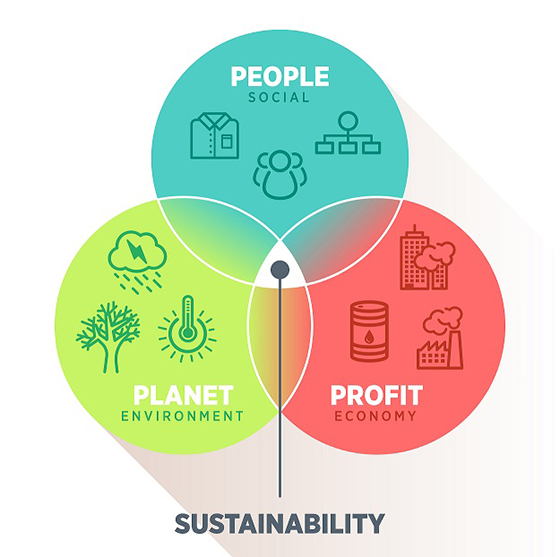
Sustainability is a broad concept encompassing practices that ensure the long-term viability of economic, social, and environmental systems. It goes beyond mere profitability, focusing on responsible resource use, environmental conservation, and social well-being. CSR, on the other hand, specifically addresses a company’s ethical obligations to its stakeholders, including customers, employees, communities, and the environment. Together, these concepts encourage businesses to adopt a holistic approach that considers the triple bottom line—people, planet, and profit.
Infographic Illustration of the relationship between Sustainability and CSR.
Benefits of Embracing Sustainability and CSR:
1. Enhanced Reputation and Brand Image: Companies that actively engage in sustainable practices and CSR initiatives often enjoy a positive public perception. Consumers are becoming more conscious of the ethical and environmental impact of their purchases, and they are inclined to support businesses that align with their values. Building a strong reputation for social responsibility can lead to increased customer loyalty and trust.
2. Risk Mitigation: Embracing sustainability helps businesses mitigate risks associated with environmental and social issues. Proactive measures, such as responsible sourcing and production practices, can shield companies from legal and financial repercussions. Moreover, demonstrating a commitment to CSR can act as a buffer against public relations crises, as stakeholders are more forgiving of companies with a history of responsible behavior.
3. Operational Efficiency: Sustainability often involves optimizing resource use and reducing waste. Companies adopting eco-friendly technologies and practices not only contribute to environmental conservation but also enhance their operational efficiency. From energy-efficient technologies to waste reduction strategies, sustainable practices can lead to cost savings over the long term.
4. Attracting and Retaining Talent: In a competitive job market, employees increasingly seek employers who share their values. Companies with strong sustainability and CSR programs are more likely to attract top talent. Moreover, a commitment to social responsibility can boost employee morale and engagement, contributing to higher retention rates.
Challenges in Implementing Sustainability and Corporate Social Responsibility (CSR):
1. Balancing Profitability and Responsibility: One of the main challenges businesses face is finding a balance between profitability and responsibility. While CSR and sustainability initiatives can yield long-term benefits, the initial investments and adjustments to business practices may pose short-term financial challenges. Companies must navigate this delicate balance to ensure they remain economically viable while fulfilling their ethical obligations.
2. Measuring Impact: Quantifying the impact of sustainability and CSR initiatives can be challenging. Unlike traditional financial metrics, the positive effects on the environment or society may not be immediately apparent. Companies need robust measurement tools to assess and communicate the tangible outcomes of their efforts, demonstrating transparency and accountability.
3. Global Supply Chain Complexity: Many businesses operate in complex global supply chains, making it challenging to ensure that all aspects of their operations adhere to sustainable and ethical standards. Implementing sustainability across the entire supply chain requires collaboration with suppliers, and it may involve additional costs and complexities.
The Business Case for Sustainability and CSR:
Forward-thinking companies are increasingly realizing that sustainability and CSR are not just about doing good for the planet and society—they are also good for business. Consumers are becoming more conscious of the environmental and social impacts of their purchases, and they prefer companies that align with their values. Embracing sustainability and CSR can enhance a company’s reputation, attract a loyal customer base, and foster innovation. Moreover, it can mitigate risks associated with climate change, resource scarcity, and regulatory pressures.
The Evolving Landscape of Sustainability and CSR:
1. Regulatory Trends: Governments worldwide are increasingly recognizing the importance of sustainability and social responsibility. This has led to the implementation of stricter regulations and reporting requirements. Businesses need to stay informed about evolving regulatory landscapes to ensure compliance and to adapt their practices accordingly.
2. Integration of Sustainable Development Goals (SDGs): The United Nation`s Sustainable Development Goals (SDGs) provide a global framework for addressing pressing challenges, including poverty, inequality, and climate change. Many businesses are aligning their sustainability initiatives with the SDGs, contributing to global efforts while enhancing their corporate reputation.
3. Technology as a Catalyst: Advancements in technology are playing a pivotal role in driving sustainability and CSR. From blockchain for supply chain transparency to artificial intelligence (AI) for resource optimization, technology offers innovative solutions that can revolutionize the way businesses approach sustainability.
A good example of how AI can revolutionize CSR is well illustrated in this LinkedIn blog as shown on the image below.
Best Practices for Integrating sustainability and CSR:
1. Leadership Commitment: Successful integration of sustainability and CSR starts at the top. Leadership commitment is crucial in setting the tone for the entire organization. When leaders prioritize these values, it permeates throughout the company culture.
2. Stakeholder Engagement: Engaging stakeholders—customers, employees, investors, and the community—is vital. Understanding their expectations and concerns helps tailor sustainability and CSR initiatives, making them more effective and meaningful.
3. Transparency and Reporting: Transparent communication about a company`s sustainability performance builds trust. Regular reporting on key metrics and progress towards goals demonstrates accountability and reinforces the commitment to responsible business practices.
4. Innovation for Sustainability: Companies should foster a culture of innovation to develop sustainable products and services. Innovation can drive efficiency, reduce environmental impact, and open new markets.
5. Supply Chain Responsibility: Assessing and improving the sustainability of the supply chain is crucial. Collaborating with suppliers to ensure ethical practices and reducing the environmental footprint of the entire value chain is a significant step.
6. Employee Involvement: Employees are valuable advocates for sustainability within an organization. Engage them through training, awareness programs, and by involving them in decision-making processes related to CSR initiatives.
7. Adherence to Global Standards: Aligning with international standards, such as the Global Reporting Initiative (GRI) or the United Nations Sustainable Development Goals (SDGs), provides a framework for effective sustainability reporting and ensures a globally recognized commitment to responsible business practices. Please refer to the following well written blog about the elements and benefits of strategic CSR.
Real-world Examples:
Several companies are leading the way in integrating sustainability and CSR into their business models:
1. Patagonia: Known for its commitment to environmental sustainability, Patagonia not only produces outdoor clothing but also encourages customers to repair and recycle their products. The company donates a percentage of its profits to environmental causes and advocates for sustainable business practices.
2. Unilever: Unilever has committed to making sustainable living commonplace. Through its Sustainable Living Plan, the company focuses on reducing its environmental footprint, improving health and well-being, and enhancing livelihoods. Unilever`s efforts extend from sourcing sustainable raw materials to promoting social responsibility.
3. Tesla: Tesla`s mission is to accelerate the worlds transition to sustainable energy. Beyond producing electric vehicles, Tesla is involved in renewable energy projects and energy storage solutions. The company’s commitment to sustainability is at the core of its business strategy.
According to a study done in Kenya, the following are the top 25 corporations and organizations leading in Social Responsibility in 2023
The significance of integrating sustainability and CSRinto corporate strategies
Emphasizing the benefits and the role businesses play in shaping a more sustainable and equitable world.
1. Environmental Stewardship: Sustainability involves minimizing the environmental impact of business operations. Companies can adopt eco-friendly practices, such as reducing carbon emissions, minimizing waste, and promoting the use of renewable energy. Embracing sustainability not only helps mitigate climate change but also positions businesses as responsible stewards of the environment, fostering a positive public image and attracting environmentally conscious consumers.
2. Social Impact: CSR initiatives enable companies to address social issues and contribute to the well-being of communities. This can involve supporting education, healthcare, poverty alleviation, and other social causes. By actively engaging in the betterment of society, businesses can build stronger relationships with their customers, employees, and communities, creating a positive brand image that goes beyond the products or services they offer.
3. Economic Resilience: Long-term sustainability strategies can contribute to economic resilience. Companies that invest in sustainable practices often find themselves better prepared for emerging regulations, market shifts, and resource scarcity. By reducing dependency on finite resources and embracing circular economy principles, businesses can create more robust and adaptable models that are less susceptible to economic shocks.
4. Employee Engagement and Well-being: A commitment to sustainability and CSR can significantly impact employee satisfaction and engagement. Many employees, particularly from younger generations, seek purpose-driven workplaces. Companies that demonstrate a genuine commitment to social and environmental responsibility are likely to attract and retain top talent, fostering a positive and motivated workforce.
5. Regulatory Compliance and Risk Mitigation: Governments worldwide are increasingly implementing regulations aimed at promoting sustainability and responsible business practices. Embracing these principles not only ensures compliance but also mitigates legal and reputational risks.
6. Consumer Trust and Loyalty: Modern consumers are more informed and conscious of the impact their choices have on the world. By embracing sustainability and CSR, businesses can build trust and loyalty among consumers who are increasingly favoring brands with a social and environmental conscience. Transparent communication about sustainable practices enhances brand credibility and fosters long-term customer relationships.
In conclusion:
As businesses navigate the complexities of the modern world, embracing sustainability and CSR is no longer a choice but a necessity. The benefits, ranging from enhanced reputation to operational efficiency, are substantial, outweighing the challenges associated with implementation. Moreover, the evolving landscape, marked by regulatory trends and global initiatives like the SDGs, emphasizes the interconnectedness of businesses with broader societal and environmental goals.
Furthermore, businesses that prioritize Sustainability and Corporate Social Responsibility (CSR) are not just contributing to a better world. They are also positioning themselves for long-term success in an increasingly conscious and interconnected global economy. As consumers, investors, and employees continue to prioritize ethical and sustainable practices, embracing these principles is not just a corporate responsibility—it’s a strategic imperative for a brighter and more sustainable future.
In today’s digital marketing landscape, engaging and capturing the attention of your audience is more challenging than ever. With the constant stream of content bombarding users on social media platforms, standing out and connecting with your audience has become a crucial priority for businesses.
This is where content personalization in marketing comes into play. By tailoring your content to match the unique needs and preferences of your target audience, you can create a more meaningful and personalized experience that drives engagement and builds brand loyalty.
The importance of audience engagement
In today’s oversaturated digital landscape, capturing and retaining the attention of your audience has never been more crucial. With so many brands vying for their attention, it’s no longer enough to simply create and distribute content; you need to focus on engagement. Audience engagement refers to the level of interaction and connection your audience has with your content and brand.
Why is audience engagement so critical? Well, engaged audiences are more likely to become loyal customers. When your audience feels personally connected to your brand, they are more likely to develop trust and affinity towards your products or services. Engaged customers are also more likely to share your content, refer your brand to others, and provide valuable feedback.
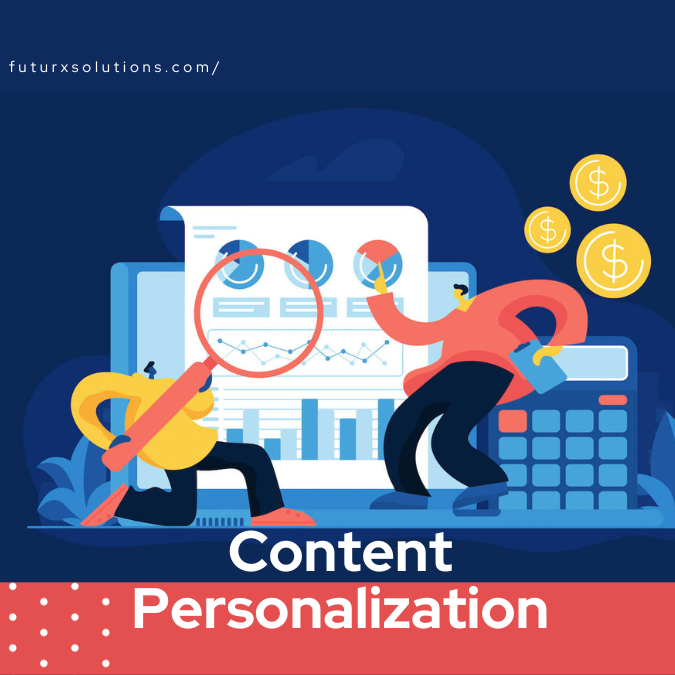
That’s where content personalization comes in. By tailoring your content to match the unique needs and preferences of your target audience, you can create a more relevant and personalized experience. When your content resonates with your audience on a personal level, it sparks their interest, elicits their emotions, and compels them to take action.
Studies have shown that personalized content can significantly increase audience engagement metrics such as click-through rates, time spent on page, and social shares. By utilizing data analytics and utilizing various personalization techniques, you can create content that is specifically designed to captivate and engage your audience.
Understanding the power of content personalization
Now that we know the importance of audience engagement and how content personalization can help achieve it, let’s delve deeper into understanding the power of content personalization.
Content personalization is more than just addressing your audience by their first name or recommending products based on their browsing history. It is about creating a holistic, tailored experience that speaks directly to their needs and interests.
One of the key benefits of content personalization is the ability to deliver the right message to the right person at the right time. By analyzing user data and behavior, you can segment your audience into specific groups and serve them with content that resonates with their individual preferences. This personalized approach not only increases engagement but also builds a stronger connection between your brand and the audience.
Another advantage of content personalization is clearly elaborated by SocialMediaToday which shows the ability to provide relevant recommendations and data about four strong examples of content personalization, these four multinationals include: Spotify, Amazon, Mapmyrun and Facebook. By leveraging user data, the companies can anticipate their needs and guide them towards the content or products that are most likely to interest their customers. This not only helps in increasing user satisfaction but also drives conversions and boosts customer loyalty.
Lastly, content personalization enables you to create a consistent and cohesive brand experience across different channels and touchpoints. Whether it’s your website, social media platforms, or email marketing campaigns, personalized content allows you to deliver a seamless experience that is tailored to each user’s preferences. This cohesiveness helps in establishing a strong brand identity and fosters trust and loyalty among your audience.
Implementing content personalization strategies
Implementing content personalization strategies requires a systematic approach that combines data analysis, segmentation, and automation. Here are some practical strategies and tools that can help you unlock the key to engaging your audience through personalized content:
1. Utilize data analytics: Start by analyzing user data and behavior to gain insights into their preferences, interests, and browsing patterns. This data will serve as the foundation for personalization efforts.
2. Segment your audience: Divide your audience into specific groups based on their demographics, behavior, interests, and preferences. This segmentation will allow you to deliver targeted and relevant content to each group.
3. Leverage automation tools: Invest in automation tools that can help streamline your personalization efforts. These tools can automate the delivery of personalized content and recommendations based on user data and behavior.
4. A/B testing: Experiment with different personalization strategies and content formats to identify what resonates best with your audience. A/B testing will help you refine your approach and maximize engagement.
5. Create dynamic content: Utilize dynamic content techniques to deliver personalized experiences in real-time. This can include dynamically inserting user data, recommending related content, or customizing landing pages based on individual preferences.
By implementing these strategies and utilizing the right tools, you can unlock the true power of content personalization and create an engaging experience that resonates with your audience. In the next section, we will dive deeper into each of these strategies and explore practical examples to help you implement content personalization effectively.
Leveraging data and technology for effective personalization
In order to effectively implement content personalization strategies, it is crucial to leverage data and technology. By utilizing the wealth of data available, you can gain valuable insights into your audience’s preferences and behaviors. This data can be collected through various channels, such as website analytics, social media interactions, and customer surveys.
Once you have gathered the necessary data, it is important to invest in the right technology that can help streamline your personalization efforts. This can include customer relationship management (CRM) systems, marketing automation tools, and content management systems (CMS).
These tools can automate the process of delivering personalized content to your audience, making it easier and more efficient to engage with them on a one-to-one level.
Furthermore, artificial intelligence (AI) and machine learning technologies can enable you to take personalization to the next level. These technologies can analyze vast amounts of data in real-time, allowing you to deliver highly personalized content recommendations and experiences to your audience. Please refer to the following well written blog about how AI is instrumental in content personalization.
By leveraging data and technology, you can unlock the true power of content personalization and create an engaging experience that resonates with your audience. In the next section, we will explore practical examples of how businesses have successfully implemented these strategies, and provide insights into their outcomes. Stay tuned!
Measuring the impact of personalized content
Measuring the impact of personalized content is crucial to understanding the effectiveness of your personalization efforts and making informed decisions for future strategies. There are various metrics you can use to gauge the success of your personalized content, such as click-through rates, conversion rates, time spent on page, and bounce rates.
By analyzing these metrics before and after implementing personalized content, you can assess whether your efforts are resonating with your audience and driving the desired results. Additionally, integrating analytics tools into your content management system can provide you with even more detailed insights into how your audience is interacting with your personalized content.
According to a study done by DemandsAge, nearly 8 out of 10 marketers and businesses spend on personalization actively! Rightly so, as 76% of the consumers prefer to purchase from a brand that personalizes user experiences. As shown in the diagram below.
Statistical Illustration by DemandsAge about the impact of personalized content.
The future of content personalization
In our ever-evolving digital marketing landscape, content personalization is here to stay. As technology continues to advance, so does the potential for even more sophisticated personalization strategies. The future of content personalization holds endless possibilities for engaging your audience on a deeper level.
One exciting development to keep an eye on is the integration of artificial intelligence (AI) and machine learning into content personalization. AI-powered algorithms can analyze vast amounts of data to create highly personalized experiences for each individual user. This level of personalization goes beyond just targeting the right content to the right audience; it can also predict and adapt to their needs in real-time.
Another trend to watch out for is the increasing use of interactive and immersive content. With the rise of virtual reality (VR) and augmented reality (AR) technologies, marketers can create captivating experiences that allow users to interact with personalized content in a whole new way. This level of interactivity not only enhances engagement but also provides valuable data insights into user preferences and behavior.
Furthermore, the future of content personalization in marketing will also be influenced by the growing emphasis on privacy and data protection. With the introduction of stricter regulations, such as the General Data Protection Regulation (GDPR), marketers need to find a delicate balance between personalization and respecting user privacy. In the coming years, we can expect to see advancements in privacy-conscious personalization techniques, such as anonymous profiling and user consent-driven personalization.
In conclusion, the future of content personalization in marketing is bright. By embracing emerging technologies, staying informed of privacy concerns, and continuously analyzing the effectiveness of our strategies, we can unlock the full potential of content personalization and powerfully engage our audience.
Visit our blog page for more insightful blogs and articles about the digital marketing landscape.