
Embracing Sustainability and Corporate Social Responsibility (CSR) for a Brighter Future.
In an era where global challenges like climate change, social inequality, and environmental degradation loom large, businesses are increasingly recognizing the importance of incorporating sustainability and Corporate Social Responsibility (CSR) into their core values and operations. Sustainability and Corporate Social Responsibility (CSR) are not just buzzwords; they represent a paradigm shift in the way companies engage with their stakeholders and the broader community.
Defining Sustainability and CSR:
Sustainability is a broad concept encompassing practices that ensure the long-term viability of economic, social, and environmental systems. It goes beyond mere profitability, focusing on responsible resource use, environmental conservation, and social well-being. CSR, on the other hand, specifically addresses a company’s ethical obligations to its stakeholders, including customers, employees, communities, and the environment. Together, these concepts encourage businesses to adopt a holistic approach that considers the triple bottom line—people, planet, and profit.
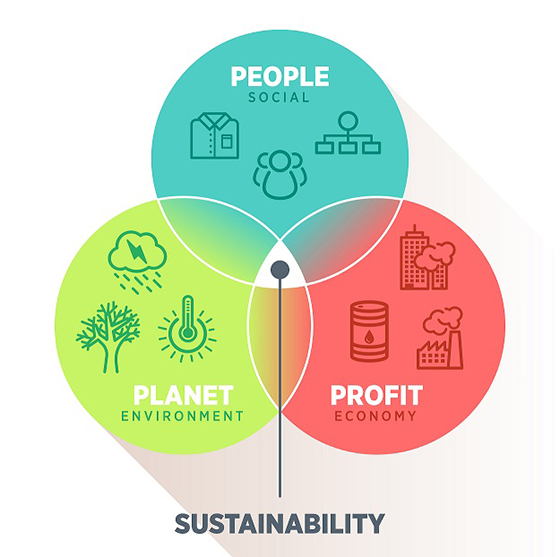
Infographic Illustration of the relationship between Sustainability and CSR.
Benefits of Embracing Sustainability and CSR:
1. Enhanced Reputation and Brand Image: Companies that actively engage in sustainable practices and CSR initiatives often enjoy a positive public perception. Consumers are becoming more conscious of the ethical and environmental impact of their purchases, and they are inclined to support businesses that align with their values. Building a strong reputation for social responsibility can lead to increased customer loyalty and trust.
2. Risk Mitigation: Embracing sustainability helps businesses mitigate risks associated with environmental and social issues. Proactive measures, such as responsible sourcing and production practices, can shield companies from legal and financial repercussions. Moreover, demonstrating a commitment to CSR can act as a buffer against public relations crises, as stakeholders are more forgiving of companies with a history of responsible behavior.
3. Operational Efficiency: Sustainability often involves optimizing resource use and reducing waste. Companies adopting eco-friendly technologies and practices not only contribute to environmental conservation but also enhance their operational efficiency. From energy-efficient technologies to waste reduction strategies, sustainable practices can lead to cost savings over the long term.
4. Attracting and Retaining Talent: In a competitive job market, employees increasingly seek employers who share their values. Companies with strong sustainability and CSR programs are more likely to attract top talent. Moreover, a commitment to social responsibility can boost employee morale and engagement, contributing to higher retention rates.
Challenges in Implementing Sustainability and Corporate Social Responsibility (CSR):
1. Balancing Profitability and Responsibility: One of the main challenges businesses face is finding a balance between profitability and responsibility. While CSR and sustainability initiatives can yield long-term benefits, the initial investments and adjustments to business practices may pose short-term financial challenges. Companies must navigate this delicate balance to ensure they remain economically viable while fulfilling their ethical obligations.
2. Measuring Impact: Quantifying the impact of sustainability and CSR initiatives can be challenging. Unlike traditional financial metrics, the positive effects on the environment or society may not be immediately apparent. Companies need robust measurement tools to assess and communicate the tangible outcomes of their efforts, demonstrating transparency and accountability.
3. Global Supply Chain Complexity: Many businesses operate in complex global supply chains, making it challenging to ensure that all aspects of their operations adhere to sustainable and ethical standards. Implementing sustainability across the entire supply chain requires collaboration with suppliers, and it may involve additional costs and complexities.
The Business Case for Sustainability and CSR:
Forward-thinking companies are increasingly realizing that sustainability and CSR are not just about doing good for the planet and society—they are also good for business. Consumers are becoming more conscious of the environmental and social impacts of their purchases, and they prefer companies that align with their values. Embracing sustainability and CSR can enhance a company’s reputation, attract a loyal customer base, and foster innovation. Moreover, it can mitigate risks associated with climate change, resource scarcity, and regulatory pressures.
The Evolving Landscape of Sustainability and CSR:
1. Regulatory Trends: Governments worldwide are increasingly recognizing the importance of sustainability and social responsibility. This has led to the implementation of stricter regulations and reporting requirements. Businesses need to stay informed about evolving regulatory landscapes to ensure compliance and to adapt their practices accordingly.
2. Integration of Sustainable Development Goals (SDGs): The United Nation`s Sustainable Development Goals (SDGs) provide a global framework for addressing pressing challenges, including poverty, inequality, and climate change. Many businesses are aligning their sustainability initiatives with the SDGs, contributing to global efforts while enhancing their corporate reputation.
3. Technology as a Catalyst: Advancements in technology are playing a pivotal role in driving sustainability and CSR. From blockchain for supply chain transparency to artificial intelligence (AI) for resource optimization, technology offers innovative solutions that can revolutionize the way businesses approach sustainability.
A good example of how AI can revolutionize CSR is well illustrated in this LinkedIn blog as shown on the image below.

Best Practices for Integrating sustainability and CSR:
1. Leadership Commitment: Successful integration of sustainability and CSR starts at the top. Leadership commitment is crucial in setting the tone for the entire organization. When leaders prioritize these values, it permeates throughout the company culture.
2. Stakeholder Engagement: Engaging stakeholders—customers, employees, investors, and the community—is vital. Understanding their expectations and concerns helps tailor sustainability and CSR initiatives, making them more effective and meaningful.
3. Transparency and Reporting: Transparent communication about a company`s sustainability performance builds trust. Regular reporting on key metrics and progress towards goals demonstrates accountability and reinforces the commitment to responsible business practices.
4. Innovation for Sustainability: Companies should foster a culture of innovation to develop sustainable products and services. Innovation can drive efficiency, reduce environmental impact, and open new markets.
5. Supply Chain Responsibility: Assessing and improving the sustainability of the supply chain is crucial. Collaborating with suppliers to ensure ethical practices and reducing the environmental footprint of the entire value chain is a significant step.
6. Employee Involvement: Employees are valuable advocates for sustainability within an organization. Engage them through training, awareness programs, and by involving them in decision-making processes related to CSR initiatives.
7. Adherence to Global Standards: Aligning with international standards, such as the Global Reporting Initiative (GRI) or the United Nations Sustainable Development Goals (SDGs), provides a framework for effective sustainability reporting and ensures a globally recognized commitment to responsible business practices. Please refer to the following well written blog about the elements and benefits of strategic CSR.
Real-world Examples:
Several companies are leading the way in integrating sustainability and CSR into their business models:
1. Patagonia: Known for its commitment to environmental sustainability, Patagonia not only produces outdoor clothing but also encourages customers to repair and recycle their products. The company donates a percentage of its profits to environmental causes and advocates for sustainable business practices.
2. Unilever: Unilever has committed to making sustainable living commonplace. Through its Sustainable Living Plan, the company focuses on reducing its environmental footprint, improving health and well-being, and enhancing livelihoods. Unilever`s efforts extend from sourcing sustainable raw materials to promoting social responsibility.
3. Tesla: Tesla`s mission is to accelerate the worlds transition to sustainable energy. Beyond producing electric vehicles, Tesla is involved in renewable energy projects and energy storage solutions. The company’s commitment to sustainability is at the core of its business strategy.
According to a study done in Kenya, the following are the top 25 corporations and organizations leading in Social Responsibility in 2023
The significance of integrating sustainability and CSR into corporate strategies
Emphasizing the benefits and the role businesses play in shaping a more sustainable and equitable world.
1. Environmental Stewardship: Sustainability involves minimizing the environmental impact of business operations. Companies can adopt eco-friendly practices, such as reducing carbon emissions, minimizing waste, and promoting the use of renewable energy. Embracing sustainability not only helps mitigate climate change but also positions businesses as responsible stewards of the environment, fostering a positive public image and attracting environmentally conscious consumers.
2. Social Impact: CSR initiatives enable companies to address social issues and contribute to the well-being of communities. This can involve supporting education, healthcare, poverty alleviation, and other social causes. By actively engaging in the betterment of society, businesses can build stronger relationships with their customers, employees, and communities, creating a positive brand image that goes beyond the products or services they offer.
3. Economic Resilience: Long-term sustainability strategies can contribute to economic resilience. Companies that invest in sustainable practices often find themselves better prepared for emerging regulations, market shifts, and resource scarcity. By reducing dependency on finite resources and embracing circular economy principles, businesses can create more robust and adaptable models that are less susceptible to economic shocks.
4. Employee Engagement and Well-being: A commitment to sustainability and CSR can significantly impact employee satisfaction and engagement. Many employees, particularly from younger generations, seek purpose-driven workplaces. Companies that demonstrate a genuine commitment to social and environmental responsibility are likely to attract and retain top talent, fostering a positive and motivated workforce.
5. Regulatory Compliance and Risk Mitigation: Governments worldwide are increasingly implementing regulations aimed at promoting sustainability and responsible business practices. Embracing these principles not only ensures compliance but also mitigates legal and reputational risks.
6. Consumer Trust and Loyalty: Modern consumers are more informed and conscious of the impact their choices have on the world. By embracing sustainability and CSR, businesses can build trust and loyalty among consumers who are increasingly favoring brands with a social and environmental conscience. Transparent communication about sustainable practices enhances brand credibility and fosters long-term customer relationships.
In conclusion:
As businesses navigate the complexities of the modern world, embracing sustainability and CSR is no longer a choice but a necessity. The benefits, ranging from enhanced reputation to operational efficiency, are substantial, outweighing the challenges associated with implementation. Moreover, the evolving landscape, marked by regulatory trends and global initiatives like the SDGs, emphasizes the interconnectedness of businesses with broader societal and environmental goals.
Furthermore, businesses that prioritize Sustainability and Corporate Social Responsibility (CSR) are not just contributing to a better world. They are also positioning themselves for long-term success in an increasingly conscious and interconnected global economy. As consumers, investors, and employees continue to prioritize ethical and sustainable practices, embracing these principles is not just a corporate responsibility—it’s a strategic imperative for a brighter and more sustainable future.
Visit our blog page for more insightful blogs and articles about the digital marketing landscape.