You wouldn’t open a shop in the middle of nowhere without a signpost. But that’s exactly what launching a new website without SEO looks like.
Many business owners, startups, and creators invest time and money building beautiful websites, only to realize—weeks or months later—that their site is invisible on Google.
If your website isn’t showing up on search engines, you’re missing the most sustainable traffic source available: organic search. That’s where Search Engine Optimization (SEO) comes in.
This in-depth guide walks you through how to do SEO for a new website, step by step. From setup to content to backlinks—we’ve covered it all, with insights from SEO experts and practical tool suggestions (including Semrush and other platforms).
What is SEO for a New Website?
SEO for a new website is the process of optimizing your site to appear in search engine results pages (SERPs). It ensures your target audience finds your pages when they search for relevant keywords.
When done right from day one, SEO creates a strong foundation for long-term visibility, authority, and lead generation.
The 9 Essential Steps to Do SEO for a New Website
Step 1: Set Up Google Tools (Analytics + Search Console)
Why it matters: You need to track performance and discover how Google views your site.
Why it matters: SEO content is what attracts, informs, and converts.
Best Practices:
Target a primary keyword and related entities
Cover the topic deeply to satisfy intent
Follow E-E-A-T principles
Use visual aids, examples, CTAs
Keep it updated
Types of Content:
Ultimate guides, how-tos, FAQs
Case studies, comparison pages
Content hubs (pillar + cluster pages)
Tools:
Google Trends + People Also Ask
Semrush Topic Research
Jasper.ai (for ideation)
Step 7: Submit Sitemap and Robots.txt
Why it matters: These files guide search engine crawlers.
Action Items:
Create and submit an XML sitemap via Google Search Console
Use a robots.txt file to control crawl behavior
Make sure all important pages are indexed
Tool Suggestions:
Yoast or RankMath (WordPress)
Screaming Frog
Step 8: Build Backlinks from Authoritative Sources
Why it matters: Backlinks signal trust, relevance, and authority.
Strategies:
Guest posting
PR features / HARO
Linkable assets (infographics, stats, templates)
Business listings + niche directories
Avoid: Spammy link farms, paid links
Tools:
Semrush Backlink Gap Tool
Ahrefs, BuzzSumo
HARO (Help A Reporter Out)
Step 9: Gain Brand Mentions (Linked & Unlinked)
Why it matters: Google uses brand mentions as implicit signals of trust.
How to Gain Mentions
Get interviewed
Collaborate with influencers
Participate in forums, roundups
Monitor unlinked mentions and request links
Tools
Google Alerts
BrandMentions
Semrush Brand Monitoring
Final Thoughts
SEO is a long game, but starting strong makes all the difference. These 9 steps give your new website the visibility, technical foundation, and authority it needs to grow.
Not every business has the time—or desire—to send dozens of cold emails just to earn a few backlinks. And the truth is: you don’t have to.
In today’s SEO environment, some of the strongest backlinks are earned—not chased. When your content is visible, useful, and trusted in the right circles, quality links follow.
In this blog, you’ll learn how to earn high-quality backlinks without cold outreach or spammy tactics—using value-first strategies that align with long-term authority and visibility.
Why Cold Outreach Isn’t Always the Best Path
Cold outreach can work, but it often leads to:
Low response rates
Generic links from low-relevance sites
One-time results that don’t scale
Today’s search engines are smarter. They reward real relationships, relevant content, and editorial trust—not mass emails or link swaps.
Instead of chasing, build backlinks through strategic visibility and partnerships.
Pro tip: Share your content where your audience and peers already are—LinkedIn, newsletters, or relevant Slack communities.
2. Build Strategic Partnerships
Work with collaborators who share your audience (but not your offer). Examples:
Co-branded webinars or workshops
Mutual guest features
Partner case studies
Featured testimonials on their website
These lead to contextual, editorial backlinks that are both valuable and sustainable.
3. Leverage Thought Leadership for Earned Mentions
Share insights consistently on LinkedIn, in interviews, or by contributing to online publications. This builds authority—and often leads to:
Guest features
Expert roundups
Podcast appearances
Event speaker bios
All of which commonly link back to your site or signature content.
4. Submit Testimonials or Use Case Stories
Reach out to tools, vendors, or platforms you already use. Offer to share a testimonial or a use-case that showcases how their service helped your business.
Many companies will feature your quote—and link back to your homepage or service page.
5. Get Listed on Curated Resource Pages
Find articles or directories like:
“Top Agencies in [City]”
“Best [Niche] Tools for 2025”
“Recommended Experts by Industry”
Make sure the site is human-reviewed, well-indexed, and up to date. Submit your business with a strong positioning statement and brand assets.
6. Repurpose & Syndicate Content Smartly
Platforms like
Medium
LinkedIn Articles
Substack
Flipboard …allow you to republish existing content for visibility and reach.
Always link back to the original article on your website. These syndicated versions can attract mentions, newsletter features, and additional shares—all without outreach.
Visibility Comes Before Links
One of the best ways to earn links is simply by being seen.
Before asking anyone to link to you, ask yourself:
Are you showing up consistently in the right spaces?
Is your expertise visible and easy to share?
Does your content help solve problems others in your industry talk about?
Authority earns links—visibility attracts them.
Final Thoughts
Backlinks built on real value—not cold emails—last longer, perform better, and protect your brand’s reputation.
By focusing on content, partnerships, and thought leadership, your backlinks become more than an SEO metric.
Backlinks are still one of the strongest signals of trust and authority in search—and in today’s fast-evolving SEO landscape, how we approach them matters more than ever.
As algorithms become more intelligent, backlinks have moved beyond being just a ranking shortcut. They now play a deeper role in how search engines measure credibility, topic relevance, and user value.
This guide breaks down what makes a backlink valuable, the different types of backlinks, and where your focus should be to build long-term authority and performance.
What Are Backlinks?
A backlink, also as defined by BACKLINKO is a hyperlink from one website to another. When another website links to yours, it signals to search engines that your content is credible and worth referencing.
But here’s the key: Not all backlinks are equal. A few high-quality, well-placed links can outperform dozens of low-value ones.
Why Backlinks Still Matter Today
Despite advancements in AI and semantic search, backlinks continue to:
Strengthen your website’s trust and authority
Help search engines discover and index your content
Improve your chances of ranking for competitive keywords
Drive referral traffic from relevant audiences
Support visibility in both general and local search results
But for backlinks to truly support your growth, they need to be earned with intention—not volume.
What Makes a Backlink Valuable Today?
In 2025 and beyond, a valuable backlink has these core characteristics:
1. Topical Relevance
The linking website should be contextually related to your industry or niche. Relevance is more important than a generic high domain authority score.
2. Contextual Placement
Links placed naturally within high-quality content are more powerful than those hidden in footers, sidebars, or bios.
3. Indexability
If the page linking to you is not indexed by Google, the backlink won’t pass any SEO value.
4. Traffic and Engagement
Links from pages that users visit, read, and engage with send stronger signals to search engines than links on low-traffic pages.
5. Trust and Editorial Integrity
Links that are editorially placed or genuinely earned (not forced or bought) carry more weight and stand the test of time.
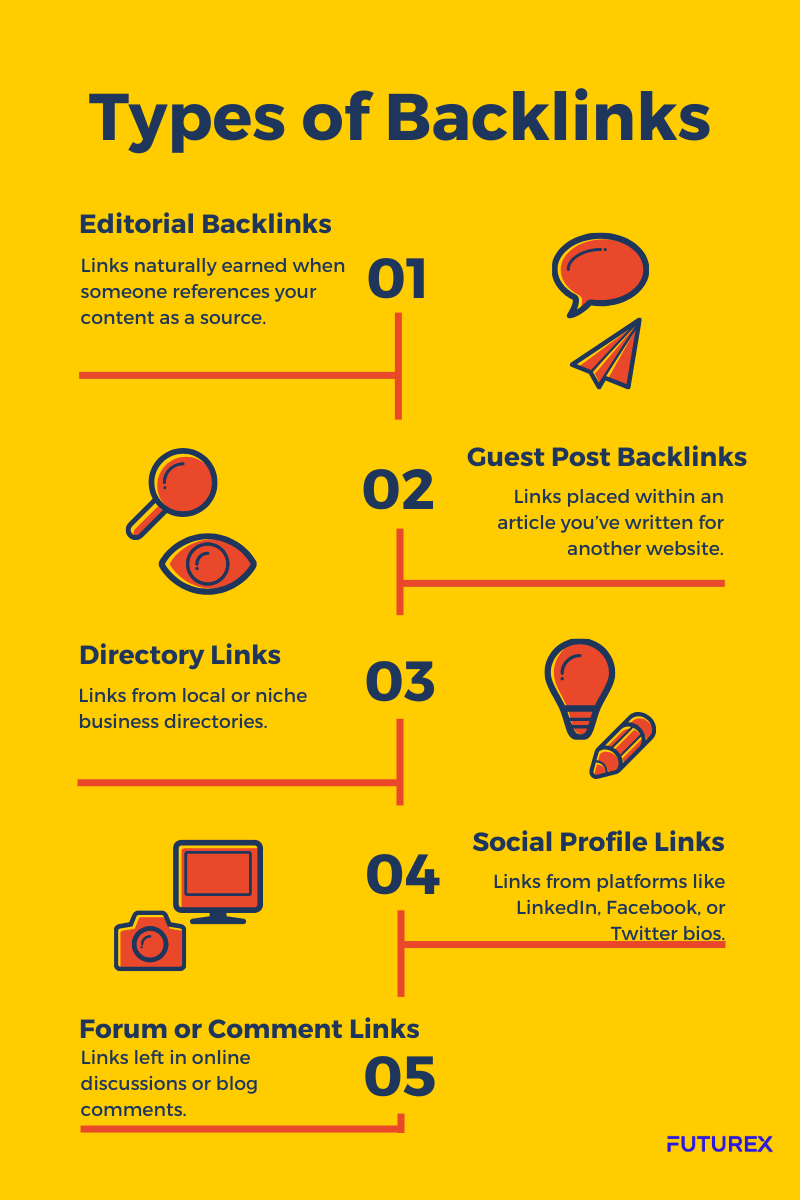
Types of Backlinks – And What They Mean for Your Strategy
Understanding the different types of backlinks can help you focus your efforts where they’ll be most effective:
Editorial Backlinks
Links naturally earned when someone references your content as a source. 🟢 High value – signals organic authority and trust.
Guest Post Backlinks
Links placed within an article you’ve written for another website. 🟢 Valuable – if placed in-context, on quality platforms, and with a purpose beyond SEO.
Directory Links
Links from local or niche business directories. 🟡 Useful for local SEO – when sourced from trusted, human-reviewed platforms.
Social Profile Links
Links from platforms like LinkedIn, Facebook, or Twitter bios. 🔵 Supportive for indexing and discovery – but offer little ranking value on their own.
Forum or Comment Links
Links left in online discussions or blog comments. 🔴 Low value – and risky if overused or on unmoderated forums.
Sponsored Backlinks
Paid or advertorial links that must be disclosed (rel=”sponsored”). 🟡 Acceptable if transparent and relevant – but shouldn’t be your main strategy.
Resource Page or Tools Links
Links from curated lists of tools, templates, or helpful content. 🟢 High long-term value – especially when tied to a strong lead magnet or unique asset.
The Best Types of Websites to Get Backlinks From
To build backlinks that actually support SEO, focus on websites that are:
Relevant to Your Industry or Niche
B2B blogs
Trade publications
Sector-specific platforms
Authoritative & Trustworthy
Business media (local or national)
Respected niche blogs
Partner platforms with established audiences
Part of Your Local or Professional Ecosystem
Local directories
Chamber of commerce websites
Professional associations
Open to Collaborations
Guest posting opportunities
Expert roundups
Podcast or webinar hosts
Indexable and Active
Always check that the linking site and page are indexed by Google and consistently updated.
What to Avoid
To protect your domain authority and ranking potential, avoid:
Low-quality, spammy directories
Automated link-building schemes
Link farms or PBNs (private blog networks)
Overuse of exact match anchor text
Unindexed or low-traffic pages with no engagement
Backlinks and the Future of SEO
As AI and user-intent-based ranking systems evolve, backlinks are shifting from quantity-based metrics to signals of genuine trust and relevance.
In short: Google is less interested in how many sites link to you—and more interested in who, why, and where.
How FutureX Supports Strategic Backlink Growth
At FutureX, we help businesses move beyond outdated link-building tactics. We focus on building authority through:
The digital landscape is constantly evolving, and so is your website’s role in your business success. If you’ve been optimizing your website for a while, you might already know the basics of SEO and conversion optimization. But here’s the hard truth: most websites aren’t performing at their full potential. Why? Because data isn’t just a tool—it’s the framework that can continuously drive better results.
In this post, we’ll explore advanced data-driven strategies to push your website from being “just another site” to a growth engine. We’re not covering the basics; we’re diving into the insights that top-performing websites leverage to outperform the competition.
1. Going Beyond Analytics: Understanding User Behavior Through Actionable Data
You probably already track bounce rates and traffic sources. But these metrics alone won’t give you the granular insights you need. To truly optimize your website, it’s essential to look at user behavior at a deeper level.
Advanced Insight:
Heatmaps & Session Recordings: Tools like Hotjar or Crazy Egg let you visualize exactly where users click, scroll, and hesitate on your pages. This helps you pinpoint friction points—areas where users drop off or fail to engage.
Behavioral Segmentation: Segment your audience based on behavior patterns—e.g., high-value customers, cart abandoners, or frequent visitors. Then tailor their experience accordingly.
Pro Tip: When you analyze session recordings, look beyond where users click—study the time spent on each page. Are they spending time on content that’s not performing? Could a design change improve interaction or readability?
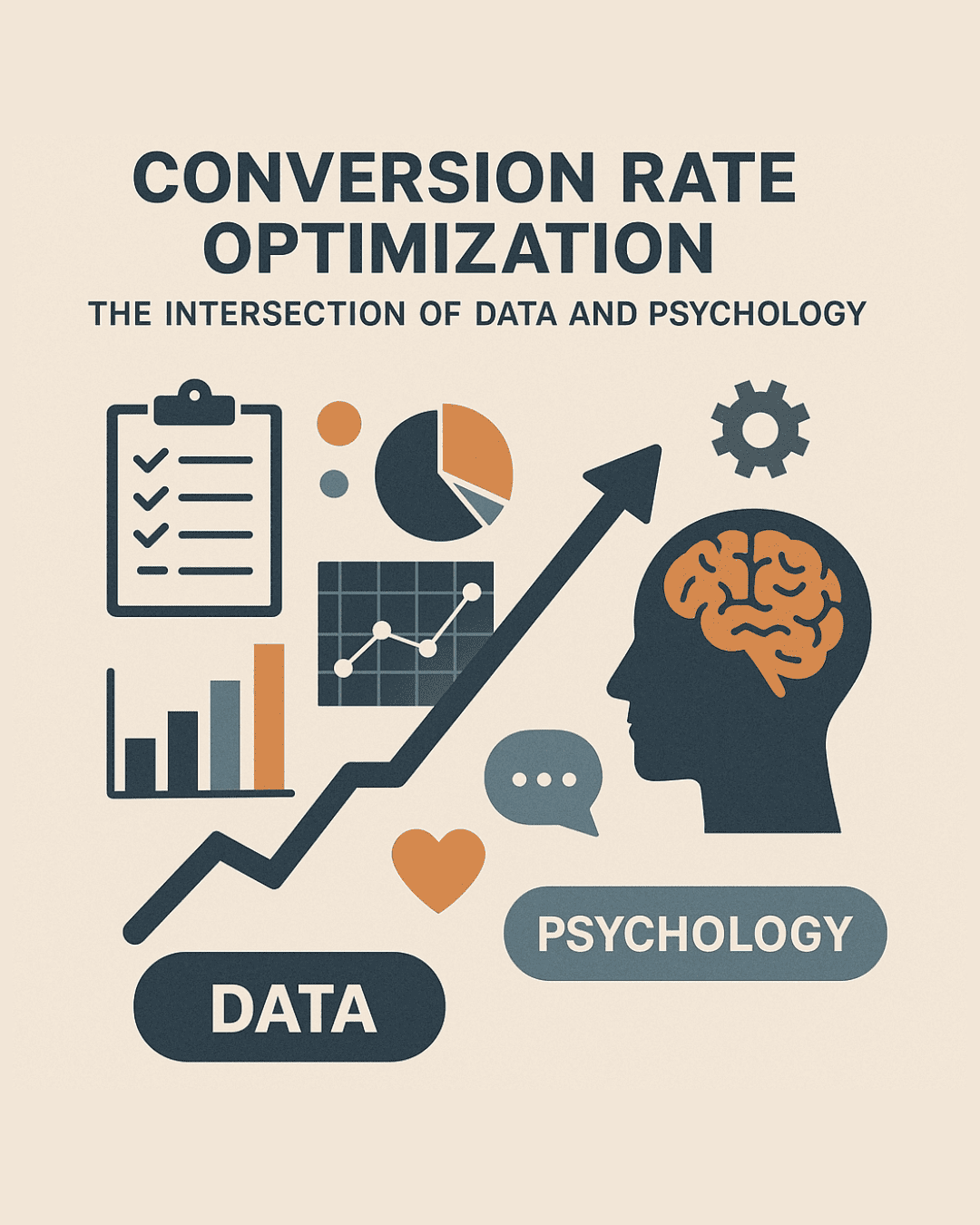
2. Conversion Rate Optimization: The Intersection of Data and Psychology
Conversion optimization is not just about A/B testing CTAs. It’s about understanding thepsychologybehind your users’ decisions.
Advanced Insight:
Cognitive Load: Simplify decision-making by reducing unnecessary steps. Data will tell you where your visitors get stuck, but understanding theirmental modelcan help you remove friction.
Behavioral Cues: Usesocial proof,urgency, andscarcityto nudge users toward conversions. Data can tell you what elements perform best—then use those insights to design a seamless path to conversion.
Pro Tip:
Trackmulti-step conversion funnels. Where do visitors drop off between pages? Understanding this will give you powerful insight into user intent and how to structure a smoother experience.
3. SEO Beyond Keywords: Building a Search Experience That Converts
Traditional SEO focuses heavily on keyword ranking, butmodern SEO is about user intentand providing ahigh-quality search experience. Your goal should be to rank not just for keywords, but forsearch queriesthat bring your ideal customers to your site and keep them engaged.
Advanced Insight:
Search Intent Mapping: Analyze not just the keywords that bring people to your site, butwhythey are searching. Match the content to theirintent—whether they’re looking for information, solutions, or a product to buy.
On-Page Optimization Beyond Keywords: Utilizesemantic search. Look at therelated termsaround your keywords.Google’s algorithm now understands context, so focus on creating content that satisfiesuser intentin depth.
Pro Tip:
Leveragetopic clustersto group content by themes. Thissignals authorityon certain subjects, improving rankings for related queries.
4. The Importance of Speed: Data Tells You, But Action Makes It Real
Website speed isn’t just a ranking factor—it’s acustomer satisfactionissue. Studies show thatevery second of delayin loading time can result inhigher bounce ratesandlost conversions.
Advanced Insight:
Core Web Vitals: Focus onLCP (Largest Contentful Paint),FID (First Input Delay), andCLS (Cumulative Layout Shift). These metrics are essential forSEOanduser experience. UseGoogle PageSpeed Insightsto continuously monitor these vital elements.
Mobile Optimization: Ensure yourmobile site speedmatches your desktop performance. More users now browse on mobile than desktop, and if your site isn’t optimized, you’ll lose customers.
Pro Tip:
Implementlazy loadingfor images and videos to improveLCP. MonitorJavaScript execution timesas large scripts can dramatically slow down page load times.
5.Performance-Driven Content: Data Tells You What Resonates, So Create More of It
Content is the cornerstone of any successful website, but it has to bedata-drivento perform. Simply publishing blog posts isn’t enough—analyzewhat content is driving traffic andconversions, then scale it.
Advanced Insight:
Engagement Metrics: Beyondpage views, look at metrics likescroll depth,social shares, andcomments. These show howengagedvisitors are with your content.
Content Personalization:Usedynamic content blocksto tailor the experience to different audience segments. For example, show different content to visitors based on their location, previous visits, or behavior.
Pro Tip:
A/B test headlines, images, and CTAs for your content. This will tell you what language or visual elements are most likely to drive action.
6. Putting It All Together: Continuous Improvement Through Data-Driven Decisions
Optimizing a website isn’t a one-time task—it’s a continuous process. By collecting and analyzing data, you can makesmall adjustmentsthat lead tobig improvements. Think of it as a cycle: gather data, implement changes, test, and measure the results.
Advanced Insight:
Automated Reporting: Set up automated reports to track key performance metrics, so you can quickly identify areas that need attention and implement improvements on the fly.
Feedback Loops:Usetools likesurveysandcustomer feedbackalongside your data to gain insight intouser satisfactionandpain points.
Conclusion
Data isn’t just about numbers. It’s about understanding what drives user behavior and how to leverage that information to optimize every aspect of your website. By using data-driven insights, you can create a website that continuously improves—leading to more traffic, better engagement, and ultimately, higher conversions.
At FutureX, we help businesses like yours harness the power of data to continuously optimize their website and achieve long-term growth. If you’re ready to turn your website into a growth engine, let’s discuss how we can help.
Ready to take your website to the next level? Contact us for a free website & SEO audit today
In the vast and competitive landscape of digital marketing, Search Engine Optimization (SEO) emerges as the key to unlocking online visibility and success. This comprehensive guide aims to demystify SEO and provide actionable strategies for businesses aiming to thrive in the digital realm.
Understanding the Core of SEO
At its essence, Search Engine Optimization (SEO) is the art and science of optimizing digital content to make it more discoverable and rank higher in search engine results.
It’s a strategic approach to aligning your online presence with the algorithms of search engines, ultimately enhancing visibility, attracting organic traffic, and driving digital success. Here’s a link to Search Engine Land`s article about What Is SEO – Search Engine Optimization?.
Components of SEO
On-Page Optimization:
On-page optimization involves refining individual web pages to cater to both search engines and users. This includes crafting compelling meta tags, headers, and strategically placing keywords. The goal is to create content that not only aligns with search intent but also engages and satisfies the user.
Off-Page Optimization:
Off-page optimization extends beyond your website. It’s about building credibility and authority through ethical link-building practices. This includes acquiring high-quality backlinks from reputable sources and leveraging social signals to amplify your online footprint.
Technical SEO:
The technical aspect ensures that your website is not just appealing to users but is also easily navigable for search engines. This involves optimizing site structure, enhancing mobile responsiveness, and improving page load times.
A technically sound website not only provides a better user experience but also earns favor from search engine algorithms.
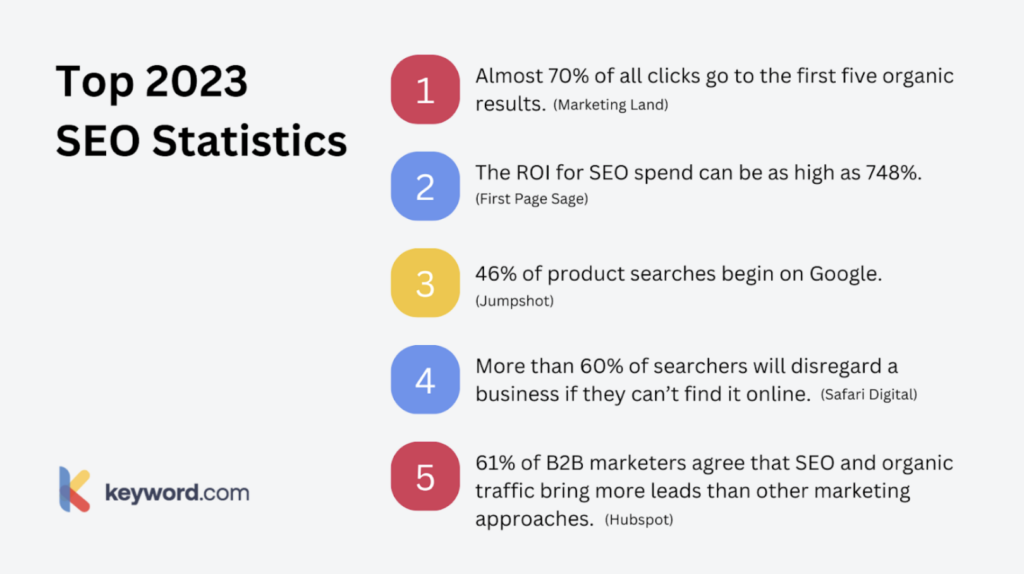
According to research carried out by Keyword.com as shown below is the Top SEO statistics for 2023.
An Illustration showing Top SEO statistics for 2023, Source: Keyword.com.
Evolution of SEO
SEO has undergone a profound evolution. Initially centered around keyword density and backlink quantity, modern SEO has shifted its focus. Search engines now prioritize user experience and relevance. Google’s algorithm updates, such as Panda and Penguin, penalize low-quality content and manipulative link-building practices, emphasizing the importance of providing value to users.
The evolution also encompasses a move toward mobile-first indexing, acknowledging the increasing prevalence of mobile users. SEO has become more sophisticated, with algorithms like BERT understanding context and intent, making search results more precise and user-friendly. Understanding the core of SEO involves recognizing its dynamic nature. It’s not a static set of rules but a strategic adaptation to evolving search engine algorithms and user behaviors.
The core of SEO lies in the seamless integration of on-page, off-page, and technical optimization. It’s about understanding the ever-changing landscape of digital preferences and search engine algorithms. As businesses navigate this dynamic realm, a solid grasp of SEO fundamentals becomes the cornerstone of digital success, ensuring that content not only ranks high but resonates with the audience it seeks to engage.
Crafting a Strategic SEO Blueprint
Keyword Research and Integration
The first step in crafting a strategic SEO blueprint is meticulous keyword research. This involves identifying not just popular keywords, but those that align with user intent.
Understanding the language your audience uses allows for the integration of these keywords seamlessly into your content, optimizing it for search engines without compromising its quality. Keyword mapping ensures that each page of your website is strategically aligned with targeted terms, maximizing visibility.
Content Optimization
Quality content is the heartbeat of effective SEO. Crafting content that not only incorporates targeted keywords but also provides value and engages users is paramount. Diversify content types to include not only text but also multimedia elements like images, videos, and infographics.
Regularly update and refresh content to reflect current trends and maintain relevance. A user-centric approach to content creation not only satisfies search engine algorithms but also keeps your audience coming back for more.
Link Building Strategies
Link building remains a cornerstone of SEO success. Develop a comprehensive strategy that focuses on acquiring high-quality backlinks from authoritative sources. This involves ethical practices such as guest posting, influencer collaborations, and cultivating relationships within your industry.
Avoiding black-hat techniques and prioritizing quality over quantity ensures the longevity and credibility of your link profile.
Technical Finesse
The technical aspects of your website play a crucial role in SEO. Optimize site structure for intuitive navigation and create URLs that are both user-friendly and search engine-friendly.
Prioritize mobile optimization as mobile usage continues to surge. Additionally, address issues related to page speed, ensuring swift load times for an enhanced user experience.Regularly conduct technical audits to identify and rectify any issues that may hinder search engine crawling and indexing.
Adapting to SEO Trends
Google Algorithm Dynamics
The ever-changing landscape of SEO is intricately tied to the dynamic updates in search engine algorithms, particularly Google’s. Staying ahead in the digital realm requires a proactive approach to understanding and adapting to these shifts.
Historical changes, such as the Panda and Penguin updates, emphasize the importance of quality content and ethical link-building practices. Regularly monitoring algorithm updates and aligning strategies with Google’s evolving preferences is essential for maintaining and improving search rankings.
Voice Search Optimization
The rise of voice-activated searches has become a prominent SEO trend. As voice search technology advances, user behavior is shifting towards more conversational queries.
Adapting content to match these natural language searches is crucial for staying relevant. Incorporating long-tail keywords that mirror spoken language, answering specific questions concisely, and ensuring your content is optimized for voice-friendly devices are key strategies in this
evolving landscape.
Local SEO Realities
Local SEO has gained prominence with the increasing emphasis on personalized search results. For businesses targeting specific geographic areas, optimizing for local search is imperative.
This involves ensuring accurate information on platforms like Google My Business, obtaining positive reviews, and securing local citations. Mobile users, often searching for nearby businesses, further emphasize the significance of local SEO strategies.
Measuring and Analyzing SEO Performance
Key Performance Indicators (KPIs)
Understanding and monitoring Key Performance Indicators (KPIs) is paramount in gauging the effectiveness of your SEO efforts. Key metrics include:
Organic Traffic: Assess the volume and quality of visitors from search engines to your site.
Conversion Rates: Measure the percentage of visitors who take desired actions, such as making a purchase or filling out a form.
Bounce Rates: Evaluate the percentage of visitors who leave the site without interacting further.
Click-Through Rates (CTR): Analyze the percentage of users who click on a specific link compared to the total users who viewed the page.
Understanding these KPIs provides a comprehensive view of your SEO performance, enabling strategic adjustments to optimize results.
SEO Tools
Leveraging powerful SEO tools is akin to having a well-equipped arsenal in your digital strategy. Tools such as:
Google Analytics: Provides in-depth insights into website traffic, user behavior, and conversion data.
SEMrush: Assists in keyword tracking, site audits, and competitor analysis.
Moz: Offers tools for site audits, backlink analysis, and keyword research.
Ahrefs: Excels in backlink analysis, helping to understand the link profile and its impact.
By employing these tools, businesses can extract valuable data, identify areas for improvement, and stay ahead of the curve in the competitive digital landscape.
Regular Audits and Updates
Regular SEO audits are the checkpoints that ensure your digital strategy stays finely tuned. These audits involve:
Content Assessment: Evaluate the performance of existing content, identifying gaps or opportunities for improvement.
Technical Analysis: Examine website structure, navigation, and performance to ensure optimal user experience.
Backlink Review: Assess the quality and relevance of backlinks, disavowing any harmful links.
Regular updates involve refreshing content, aligning it with current trends, and adapting strategies to evolving search engine algorithms. This continuous cycle of assessment and adjustment ensures that your SEO efforts remain agile and effective. Measuring and analyzing SEO performance is not just a task but a strategic imperative in the digital realm.
By focusing on KPIs, leveraging powerful SEO tools, and conducting regular audits and updates, businesses can not only track their success but also adapt to the ever-changing dynamics of the online landscape. This commitment to analysis positions organizations for sustained growth, increased visibility, and digital excellence.
Website Architecture in SEO
Importance of Website
Architecture
Website architecture is the blueprint that dictates how information is organized, presented, and navigated on a website. In the realm of SEO, it serves as the foundation upon which a site’s visibility, user experience, and search engine rankings are built. A well-structured website architecture not only facilitates smooth navigation for users but also aids search engines in efficiently crawling and indexing content.
Key Components of Website
1. URL Structure:
A clean and organized URL structure enhances both user experience and SEO. Descriptive and readable URLs provide users and search engines with valuable information about the content of a page. Short, keyword-rich URLs contribute to improved visibility in search results.
2. Logical Site Hierarchy:
Organizing content in a logical hierarchy ensures that users and search engines can easily understand the relationships between different pages. This hierarchy is typically represented through a clear navigation menu that outlines the main categories and subcategories of the website.
3. Internal Linking:
Strategic internal linking connects different pages within the website, distributing authority and helping search engines understand the context and importance of each page. This not only enhances user navigation but also contributes to SEO by spreading link equity.
4. XML Sitemaps:
XML sitemaps provide a roadmap for search engines, guiding them to discover and index all relevant pages on a website. Including key metadata in the sitemap aids in efficient crawling and ensures that search engines understand the priority and frequency of updates for each page.
5. Mobile Responsiveness
In the mobile-centric era, ensuring that a website is responsive across various devices is imperative. Google’s emphasis on mobile-first indexing means that mobile-friendly websites are given priority in search results. Responsive design not only caters to a broader audience but also positively influences search engine rankings.
Best Practices for Website
1. User-Centric Design: Prioritize user experience by organizing content in a way that is intuitive and user-friendly. A seamless user experience not only retains visitors but also contributes to lower bounce rates and higher rankings.
2. Page Load Times: Optimize website speed by compressing images, leveraging browser caching, and utilizing Content Delivery Networks (CDNs). Fast-loading pages contribute to a positive user experience and are favored by search engines.
3. Mobile Optimization: Ensure that the website is designed to be fully functional and visually appealing on various mobile devices. Mobile optimization is not just about responsive design but also about delivering a consistent and enjoyable experience across devices.
As technology advances, the synergy between Search Engine Optimization (SEO) and Artificial Intelligence (A.I.) becomes increasingly profound. A.I. is revolutionizing the way search engines understand, interpret, and rank content. Google’s algorithm, powered by machine learning and A.I., is now adept at comprehending user intent, context, and the nuances of natural language. Please read this blog by Forbes, How AI Will Revolutionize The Future Of SEO.
Conclusion
In conclusion, mastering SEO strategies is not just a choice but a necessity in the dynamic world of digital marketing. By understanding the fundamentals, crafting a strategic blueprint, adapting to trends, and consistently measuring performance, businesses can position themselves for sustained online visibility, increased organic traffic, and improved conversion rates. Please visit our blog page for more insightful blogs and articles about the digital marketing landscape.
SEO is the driving force behind digital success, and this guide serves as a roadmap to navigate its complexities, ensuring businesses leave an indelible mark in the ever-evolving digital landscape.
In the ever-evolving landscape of digital presence, the importance of effective ranking strategies cannot be overstated. Whether you’re a business aiming to boost your online visibility or an individual aspiring to create a notable digital footprint, understanding the nuances of ranking tips is crucial.
The Significance of Ranking
Navigating the Digital Ocean
In the vast sea of online content, standing out is challenging. Ranking serves as the compass that guides users, directing them to the most relevant and valuable information. A high ranking not only increases visibility but also establishes credibility, making it essential for businesses and individuals alike.
Trust and Authority
Users tend to trust and engage with content that appears at the top of search engine results. Effective ranking not only places you in the spotlight but also contributes to building trust and authority in your niche. We’ll explore the psychological aspects behind this phenomenon and its impact on digital success.
Ranking Tips
SEO Fundamentals
Understanding the basics of Search Engine Optimization (SEO) is paramount. Explore the significance of keywords, meta tags, and quality content. Uncover how proper SEO techniques can propel your content to the forefront of search engine results.
A positive user experience is a key factor in ranking algorithms. Delve into the importance of mobile optimization, page load speed, and intuitive navigation. Discover how a seamless user experience can contribute to higher rankings.
Content Quality and Relevance
Content is king, and its quality and relevance directly impact your ranking. Learn how to create compelling, informative, and shareable content. Explore the role of multimedia, structured data, and user engagement in enhancing content quality.
Backlink Building Strategies
Backlinks remain a vital aspect of ranking algorithms. Uncover effective strategies for building high-quality backlinks and establishing a robust digital network. Examine the dos and don’ts of backlink building to ensure long-term success.
Social Media Integration
Social media presence is intertwined with online success. Explore how social signals influence ranking and discover tips for effective social media integration. Learn how to leverage different platforms to enhance your digital visibility.
World Case Examples
Success Stories
Examine real-life success stories of individuals and businesses that have mastered ranking strategies. Explore how they implemented effective techniques, overcame challenges, and achieved remarkable results. These case examples will provide valuable insights and inspiration for readers.
Learning from Failures
Not every journey to digital success is smooth. Analyze cases where ranking strategies fell short, and businesses or individuals faced setbacks. Understand the lessons learned from these failures and how they can be applied to avoid common pitfalls.
Advantages of Effective Ranking
Increased Visibility and Traffic
One of the primary advantages of effective ranking is increased visibility. Dive into how higher visibility translates into more organic traffic. Explore the correlation between ranking and website traffic and how it contributes to overall success.
Building Brand Authority
Ranking at the top positions establishes your brand as an authority in your industry. Understand how a strong online presence can positively impact brand perception and customer trust. Explore strategies for consistently reinforcing brand authority through ranking.
Competitive Edge
In a competitive digital landscape, standing out is crucial. Effective ranking provides a competitive edge, ensuring that your content is discovered before that of your competitors. Explore how staying ahead in rankings can make a significant difference in your industry.
Conversion Rate Optimization
A high-ranking position not only attracts visitors but also contributes to better conversion rates. Delve into the relationship between ranking and conversion optimization. Explore strategies for turning website visitors into customers or loyal followers.
In order to highlight all of the SEO ways to improve your website ranking, please take a look at the image below.
An Illustration about SEO ways to improve your website ranking, Source: Plancod.
Tips to Boost Your Website Ranking
Having a strong online presence is crucial for businesses and individuals alike. A key element of this presence is your website’s ranking on search engines. Whether you’re a seasoned webmaster or a newbie to the online realm, understanding the intricacies of website ranking is paramount. For valuable tips please read How to Check Your Website Ranking.
Optimize Your Website for Search Engines (SEO):
a) Keyword Research:
Conduct thorough keyword research to identify relevant terms for your content. Utilize tools like Google Keyword Planner or SEMrush to find keywords with high search volumes and low competition. b) On-Page SEO:
Optimize your website’s on-page elements, including title tags, meta descriptions, and headers. Ensure that your content is well-structured, informative, and easy to read. c) Quality Content:
Content is king. Produce high-quality, relevant, and engaging content that caters to the needs of your target audience. Regularly update your content to stay current and authoritative.
Mobile Optimization:
With an increasing number of users accessing websites through mobile devices, optimizing your site for mobile is crucial. Google prioritizes mobile-friendly websites, so ensure responsive design and fast loading times for mobile users.
Improve Page Loading Speed:
Users and search engines alike prefer fast-loading websites. Compress images, leverage browser caching, and minimize HTTP requests to improve your website’s loading speed. Tools like Google PageSpeed Insights can provide valuable insights.
Secure Your Website with HTTPS:
Security is a top priority for search engines. Migrate your website to HTTPS to encrypt data and provide a secure browsing experience. Google often rewards HTTPS-enabled sites with higher rankings.
Utilize Social Media:
Social signals are increasingly influencing search engine rankings. Promote your content on social media platforms to increase visibility and drive traffic to your website. Engage with your audience and encourage social sharing.
Build Quality Backlinks:
Earn high-quality backlinks from reputable websites in your niche. Guest posting, influencer outreach, and creating shareable content are effective strategies for acquiring backlinks. Focus on quality over quantity.
Optimize Your Images:
Optimize images by compressing file sizes and adding descriptive alt text. This not only improves page loading times but also contributes to image search rankings.
Create a Sitemap:
Develop an XML sitemap to help search engines understand the structure of your website. Submit the sitemap to search engines like Google to ensure efficient crawling and indexing.
Monitor and Analyze:
Regularly monitor your website’s performance using analytics tools such as Google Analytics. Track key metrics, analyze user behavior, and make data-driven decisions to continually improve your site.
Stay Informed and Adapt:
The world of SEO is dynamic, with algorithms frequently changing. Stay informed about industry trends, algorithm updates, and best practices. Adapt your strategies accordingly to maintain and improve your website’s ranking.
Advanced Strategies for Google Ranking
Schema Markup:
Schema markup is a form of microdata that provides additional information to search engines. Implementing schema markup can enhance the display of your search results, making them more appealing to users. This can lead to higher click-through rates and improved rankings.
Voice Search Optimization:
With the rise of virtual assistants and smart speakers, optimizing for voice search is becoming increasingly important. Focus on conversational keywords and provide concise, informative answers to common questions to align with the way people use voice search.
User Engagement Metrics:
Google pays attention to how users interact with your website. Metrics such as click-through rate (CTR), time on page, and bounce rate provide insights into user engagement. Analyze these metrics regularly and make adjustments to improve user experience.
Local SEO:
For businesses targeting a local audience, optimizing for local search is crucial. Claim and optimize your Google My Business listing, encourage customer reviews, and ensure consistent NAP (name, address, phone number) information across online platforms.
Mastering effective ranking strategies is a journey that involves understanding the significance of ranking, implementing practical tips, learning from case examples, and embracing the numerous advantages that come with a prominent digital presence.
Whether you’re an individual aiming for personal branding or a business seeking online success, investing time and effort in ranking is an indispensable part of the digital roadmap. By unlocking the power of ranking, you pave the way for sustained visibility, credibility, and success in the dynamic world of the internet. Please visit our blog page for more insightful blogs and articles about the digital marketing landscape.