
How to Use Data-Driven Insights to Continuously Improve Your Website Performance
Introduction
In this post, we’ll explore advanced data-driven strategies to push your website from being “just another site” to a growth engine. We’re not covering the basics; we’re diving into the insights that top-performing websites leverage to outperform the competition.


1. Going Beyond Analytics: Understanding User Behavior Through Actionable Data
You probably already track bounce rates and traffic sources. But these metrics alone won’t give you the granular insights you need. To truly optimize your website, it’s essential to look at user behavior at a deeper level.
Advanced Insight:
- Heatmaps & Session Recordings: Tools like Hotjar or Crazy Egg let you visualize exactly where users click, scroll, and hesitate on your pages. This helps you pinpoint friction points—areas where users drop off or fail to engage.
- Behavioral Segmentation: Segment your audience based on behavior patterns—e.g., high-value customers, cart abandoners, or frequent visitors. Then tailor their experience accordingly.
Pro Tip:
When you analyze session recordings, look beyond where users click—study the time spent on each page. Are they spending time on content that’s not performing? Could a design change improve interaction or readability?
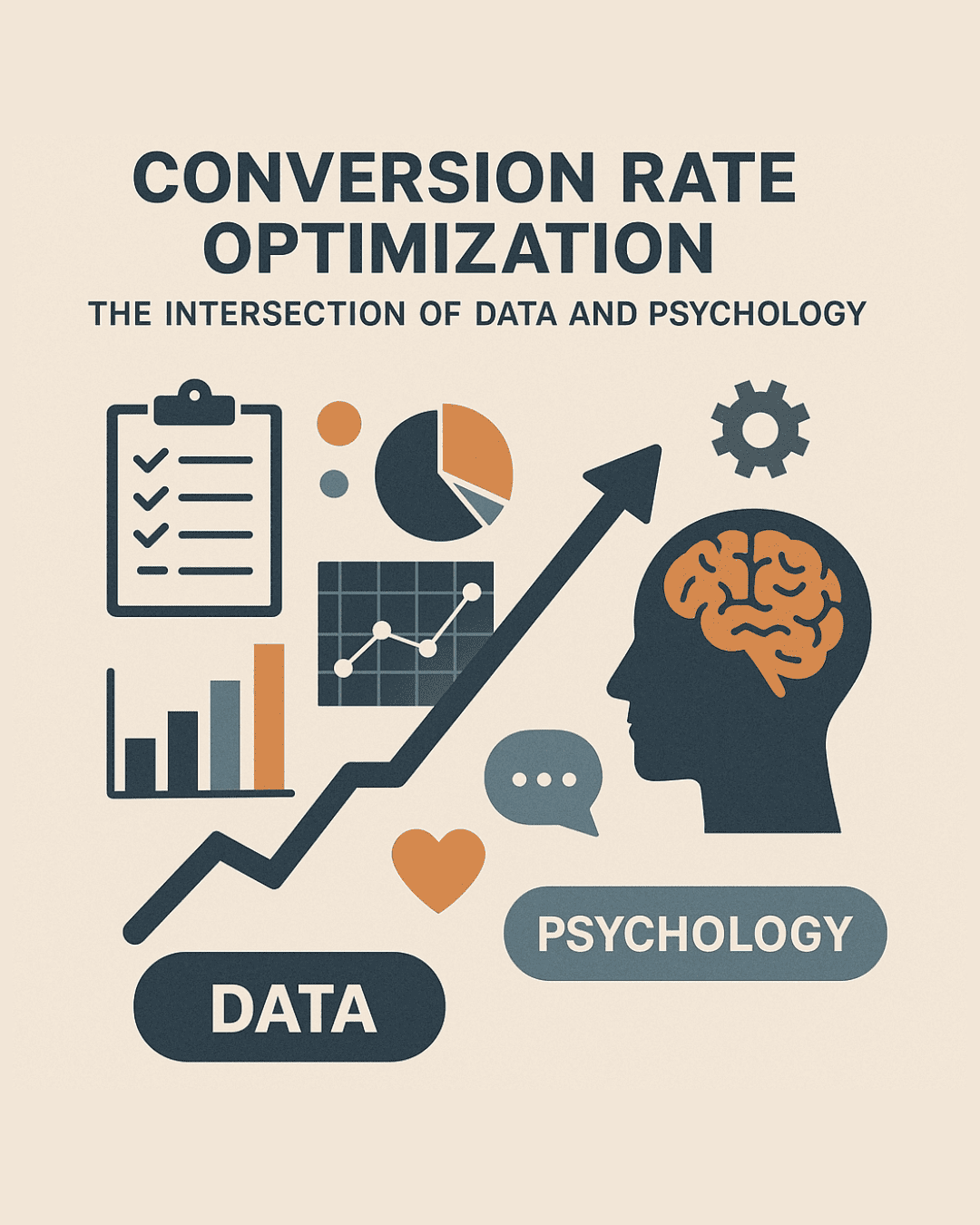
2. Conversion Rate Optimization: The Intersection of Data and Psychology
Conversion optimization is not just about A/B testing CTAs. It’s about understanding the psychology behind your users’ decisions.
Advanced Insight:
- Cognitive Load: Simplify decision-making by reducing unnecessary steps. Data will tell you where your visitors get stuck, but understanding their mental model can help you remove friction.
- Behavioral Cues: Use social proof, urgency, and scarcity to nudge users toward conversions. Data can tell you what elements perform best—then use those insights to design a seamless path to conversion.
Pro Tip:
Track multi-step conversion funnels. Where do visitors drop off between pages? Understanding this will give you powerful insight into user intent and how to structure a smoother experience.

3. SEO Beyond Keywords: Building a Search Experience That Converts
Traditional SEO focuses heavily on keyword ranking, but modern SEO is about user intent and providing a high-quality search experience. Your goal should be to rank not just for keywords, but for search queries that bring your ideal customers to your site and keep them engaged.
Advanced Insight:
- Search Intent Mapping: Analyze not just the keywords that bring people to your site, but why they are searching. Match the content to their intent—whether they’re looking for information, solutions, or a product to buy.
- On-Page Optimization Beyond Keywords: Utilize semantic search. Look at the related terms around your keywords. Google’s algorithm now understands context, so focus on creating content that satisfies user intent in depth.
Pro Tip:
Leverage topic clusters to group content by themes. This signals authority on certain subjects, improving rankings for related queries.
4. The Importance of Speed: Data Tells You, But Action Makes It Real
Website speed isn’t just a ranking factor—it’s a customer satisfaction issue. Studies show that every second of delay in loading time can result in higher bounce rates and lost conversions.
Advanced Insight:
- Core Web Vitals: Focus on LCP (Largest Contentful Paint), FID (First Input Delay), and CLS (Cumulative Layout Shift). These metrics are essential for SEO and user experience. Use Google PageSpeed Insights to continuously monitor these vital elements.
- Mobile Optimization: Ensure your mobile site speed matches your desktop performance. More users now browse on mobile than desktop, and if your site isn’t optimized, you’ll lose customers.
Pro Tip:
Implement lazy loading for images and videos to improve LCP. Monitor JavaScript execution times as large scripts can dramatically slow down page load times.


5.Performance-Driven Content: Data Tells You What Resonates, So Create More of It
Content is the cornerstone of any successful website, but it has to be data-driven to perform. Simply publishing blog posts isn’t enough—analyze what content is driving traffic and conversions, then scale it.
Advanced Insight:
-
Engagement Metrics: Beyond page views, look at metrics like scroll depth, social shares, and comments. These show how engaged visitors are with your content.
-
Content Personalization: Use dynamic content blocks to tailor the experience to different audience segments. For example, show different content to visitors based on their location, previous visits, or behavior.
Pro Tip:
A/B test headlines, images, and CTAs for your content. This will tell you what language or visual elements are most likely to drive action.
6. Putting It All Together: Continuous Improvement Through Data-Driven Decisions
Optimizing a website isn’t a one-time task—it’s a continuous process. By collecting and analyzing data, you can make small adjustments that lead to big improvements. Think of it as a cycle: gather data, implement changes, test, and measure the results.
Advanced Insight:
-
Automated Reporting: Set up automated reports to track key performance metrics, so you can quickly identify areas that need attention and implement improvements on the fly.
-
Feedback Loops: Use tools like surveys and customer feedback alongside your data to gain insight into user satisfaction and pain points.

Conclusion
Data isn’t just about numbers. It’s about understanding what drives user behavior and how to leverage that information to optimize every aspect of your website. By using data-driven insights, you can create a website that continuously improves—leading to more traffic, better engagement, and ultimately, higher conversions.
At FutureX, we help businesses like yours harness the power of data to continuously optimize their website and achieve long-term growth. If you’re ready to turn your website into a growth engine, let’s discuss how we can help.