From Frustration to Flow: How a Woman-Led Business Firm Transformed Its Website & Payments
In today’s fast-paced digital world, businesses thrive when they can provide seamless experiences for their clients. But what happens when technology becomes a roadblock instead of an enabler? This is the challenge one woman-led business firm faced before partnering with FutureX to overhaul its digital presence.
The Challenge: When Tech Holds Women Entrepreneurs Back
The Business firm had built a solid reputation for its top-tier recruitment and people management services. However, despite their expertise, they faced a frustrating obstacle—an inefficient payment system and a slow, underperforming website. Their clients loved their services, but making payments was cumbersome, and the website didn’t convert visitors into leads effectively.
“We know we’re great at what we do, but our website and payments are holding us back,” the founder shared.
For many women entrepreneurs, digital barriers are more than just technical issues—they represent a deeper socio-economic challenge. Limited access to capital, structural barriers, and digital transformation gaps disproportionately affect women-led businesses, making it harder for them to scale and compete.
The FutureX Solution: Smart, Scalable Digital Upgrades
Understanding these challenges, we took a strategic approach to digital transformation:
✅ Seamless Payment Integration – We implemented a secure, user-friendly payment system that made transactions effortless, increasing client satisfaction and ensuring smoother cash flow.
✅ Website Audit & Optimization – Conducted a deep performance, UX, and conversion audit, pinpointing where the site was slowing down business and fixing issues that hampered growth.
✅ Conversion-Focused Enhancements – Optimized the site’s structure, speed, and content strategy to attract, engage, and convert more visitors into paying clients.
The Impact: Economic Empowerment Through Digital Growth
Increased Revenue – With a frictionless payment process and a website that converts, the firm saw more inquiries, faster transactions, and higher client retention.
Enhanced Customer Experience – A seamless user journey meant clients could access services effortlessly, boosting trust and satisfaction.
Business Growth & Economic Empowerment – A thriving woman-led business means greater community impact, more job opportunities, and a step towards closing the digital and financial gender gap.
Why This Matters: Digital Access as a Path to Socio-Economic Equality
Women-led businesses are a powerful engine for economic growth. Yet, without the right digital tools, many are held back from reaching their full potential. By bridging the digital divide, we enable more women entrepreneurs to scale, compete, and succeed in today’s economy.
At FutureX, we believe in tech that empowers, not limits. Every business—especially those led by women—deserves access to the best digital solutions to fuel their growth.
🚀 Want a FREE website audit? Let’s optimize your site for success. Contact us today!
In the rapidly evolving landscape of digital marketing, creating a positive and seamless User Experience (UX) has become more than just a trend—it’s a fundamental necessity. As businesses strive to connect with their audiences in the digital realm, understanding and prioritizing UX has emerged as a key determinant of success. Please read the following Indeed blog: User Experience (UX) in Digital Marketing.
Defining User Experience (UX) in Digital Marketing
1. What is UX?
User Experience encompasses the overall interaction that users have with a product, system, or service. In the context of digital marketing, UX refers to the quality of the user’s experience when interacting with a website, application, or any other digital platform. It involves various elements, including usability, accessibility, design aesthetics, and overall user satisfaction.
2. Key Components of UX in Digital Marketing
Usability: The ease with which users can navigate and interact with a digital platform.
Accessibility: Ensuring that the digital experience is inclusive and can be accessed by users of all abilities.
Visual Design: The aesthetics of the interface, including color schemes, typography, and overall visual appeal.
Information Architecture: Organizing and structuring content in a logical and user-friendly manner.
Performance: The speed, responsiveness, and reliability of the digital platform.
User Feedback: Gathering insights from user interactions to make informed improvements.
The Significance of UX in Digital Marketing
Impact on Conversion Rates
A positive UX directly influences conversion rates. Whether the goal is to drive sales, capture leads, or encourage specific actions, a well-designed and user-friendly interface can significantly enhance the likelihood of conversion. Conversely, a poor UX can lead to high bounce rates and lost opportunities.
Building Brand Loyalty
A seamless and enjoyable digital experience fosters trust and loyalty. Users are more likely to engage with and return to a brand that consistently provides a positive UX. Word-of-mouth recommendations and positive online reviews often stem from exceptional digital experiences.
Search Engine Optimization (SEO) Benefits
Search engines, such as Google, consider user experience as a ranking factor. Websites with better UX are more likely to rank higher in search results, driving organic traffic and increasing visibility. Prioritizing UX aligns with the principles of SEO best practices.
Reducing Bounce Rates
A high bounce rate, where visitors quickly leave a website after arriving, can be indicative of a poor user experience. By optimizing UX, businesses can create engaging and relevant content that encourages users to stay longer, explore, and ultimately convert.
Enhancing Customer Satisfaction
Customer satisfaction is a key metric for business success. A positive UX contributes to overall customer satisfaction by meeting user expectations, providing valuable content, and simplifying complex processes.
10 Strategies for Optimizing User Experience in Digital Marketing
1. Understand Your Audience
Understanding the target audience is the foundation of creating a meaningful user experience. Conducting user research, analyzing demographics, and identifying user personas enable businesses to tailor their digital strategies to meet the specific needs and preferences of their audience.
2. Mobile-First Design
With the increasing use of mobile devices, adopting a mobile-first approach is essential. Websites and applications should be designed with mobile users in mind, ensuring responsiveness, intuitive navigation, and a seamless experience across various screen sizes.
3. Intuitive Navigation and Information Architecture
A well-structured information architecture and intuitive navigation are critical for a positive user experience. Users should be able to easily find the information they seek without unnecessary clicks or confusion. Clear menus, logical categorization, and user-friendly navigation paths contribute to an effective UX.
4. Optimize Page Load Times
Page load times significantly impact user satisfaction. Slow-loading pages can lead to frustration and increased bounce rates. Optimizing images, leveraging browser caching, and utilizing Content Delivery Networks (CDNs) are strategies to enhance page load speed.
5. Personalization
Personalizing the user experience based on user behavior, preferences, and demographics can greatly enhance engagement. Personalized content, recommendations, and tailored user journeys create a sense of individualized attention and relevance.
6. Clear and Compelling Calls-to-Action (CTAs)
Well-designed CTAs guide users toward desired actions. Whether it’s making a purchase, subscribing to a newsletter, or filling out a form, CTAs should be prominently displayed, visually appealing, and clearly communicate the value proposition.
7. User Feedback and Iterative Improvement
Gathering user feedback through surveys, usability testing, and analytics tools is crucial for understanding pain points and areas for improvement. Implementing a feedback loop and consistently iterating based on user insights contribute to an ongoing enhancement of the digital experience.
8. Accessibility for All Users
Ensuring that digital platforms are accessible to users with diverse abilities is not only ethical but also good business practice. Accessibility features, such as alt text for images and keyboard navigation, make digital experiences inclusive and cater to a broader audience.
9. Consistent Branding Across Channels
Consistency in branding, messaging, and design elements across various digital channels creates a unified and recognizable brand identity. Users should experience a seamless transition between a company’s website, social media profiles, and other digital touchpoints.
10. Utilize A/B Testing
A/B testing involves comparing two versions of a webpage or digital asset to determine which performs better. By systematically testing variations in design, content, or functionality, businesses can make data-driven decisions to optimize for the best user experience.
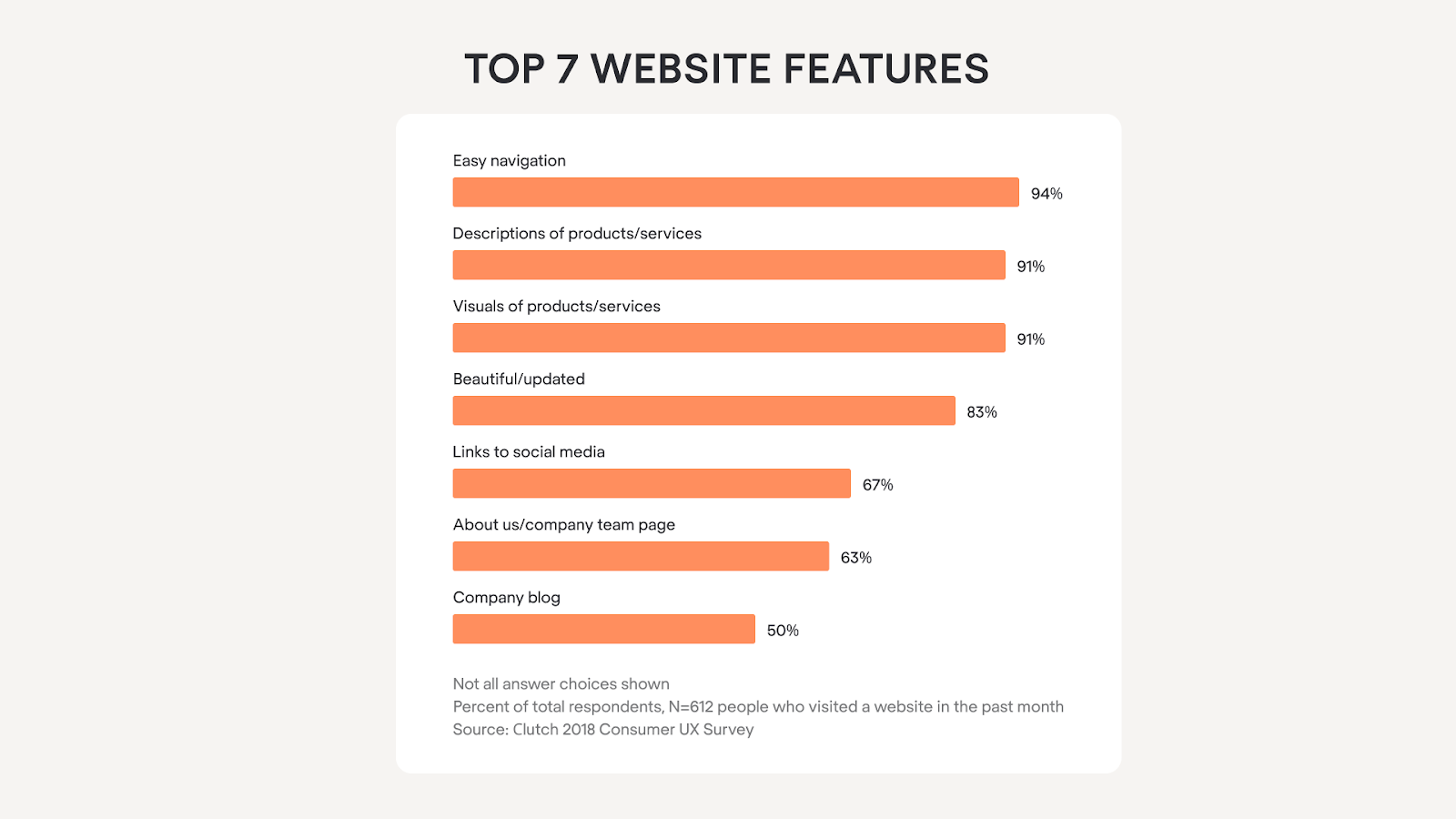
An Illustration about the Top 7 Website Features Source: Clutch 2018 Consumer UX Survey.
Tools for Enhancing User Experience
Numerous tools and platforms can assist businesses in optimizing user experience. Here are some essential tools for UX improvement:
Google Analytics
Google Analytics provides detailed insights into user behavior, page views, and conversion data. It’s a powerful tool for understanding how users interact with a website and identifying areas for improvement.
Hotjar
Hotjar offers heatmaps, session recordings, and surveys to visualize user behavior. It helps businesses understand how users navigate their websites and gather qualitative insights for UX enhancement.
Optimal Workshop
Optimal Workshop is a platform for information architecture and usability testing. It provides tools for card sorting, tree testing, and first-click testing to optimize website navigation.
UsabilityHub
UsabilityHub offers tools for usability testing, including preference testing, five-second tests, and click tests. These tools provide valuable insights into user preferences and behaviors.
Crazy Egg
Crazy Egg provides heatmaps, scrollmaps, and user recordings to analyze how users interact with a website. The visual data helps identify areas of improvement for a better user experience.
UserTesting
UserTesting allows businesses to conduct remote user testing with real people. It provides video recordings of users interacting with a website, offering valuable insights into the user experience.
Case Studies: Successful Implementation of UX Strategies
Airbnb
Airbnb has excelled in providing a seamless and intuitive user experience. The platform’s user-friendly interface, personalized recommendations, and transparent booking process contribute to high user satisfaction and repeat business.
Apple
Apple is renowned for its commitment to design and user experience. From the simplicity of its product interfaces to the coherence of its ecosystem, Apple prioritizes a seamless and enjoyable user experience, which contributes to customer loyalty.
Netflix
Netflix employs a data-driven approach to enhance user experience. The platform’s recommendation algorithm, personalized content suggestions, and user-friendly interface contribute to long user engagement and subscriber retention.
Conclusion
In the dynamic landscape of digital marketing, User Experience (UX) has emerged as a linchpin for success. Prioritizing UX in digital marketing is not just about creating visually appealing interfaces; it’s about understanding user needs, delivering seamless interactions, and fostering lasting connections.
Businesses that invest in optimizing UX stand to benefit from increased conversion rates, customer loyalty, and a positive online reputation. As digital interactions continue to shape consumer behavior, mastering the art of User Experience is not just a strategy—it’s a necessity for businesses aspiring to thrive in the digital era. Please visit our blog page for more insightful blogs and articles about the digital marketing landscape.
By adopting a user-centric mindset, leveraging data-driven insights, and continuously refining digital interfaces, businesses can create a competitive advantage and elevate their success in the ever-evolving digital landscape.
In the fast-paced world of digital marketing, businesses are constantly striving to maximize the effectiveness of their online presence. One key metric that holds the power to transform visitors into customers is Conversion Rate Optimization (CRO). Please read the following HubSpot blog about Conversion Rate Optimization.
Understanding Conversion Rate Optimization (CRO)
Definition
Conversion Rate Optimization, commonly known as CRO, refers to the systematic process of enhancing a website or digital platform to increase the percentage of visitors who convert into customers. The ultimate goal is to optimize the user experience, boost engagement, and drive desired actions, such as making a purchase, filling out a form, or subscribing to a newsletter.
Key Metrics
Before delving into CRO strategies, it’s crucial to understand the key metrics associated with conversion:
Conversion Rate (CR): The percentage of website visitors who complete a desired goal, such as making a purchase.
Bounce Rate: The percentage of visitors who navigate away from the site after viewing only one page.
Average Session Duration: The average time visitors spend on the website.
Click-Through Rate (CTR): The percentage of users who click on a specific link compared to the total number of users who view a page.
Exit Rate: The percentage of visitors who leave a specific page.
Importance of Conversion Rate Optimization
Maximizing Marketing ROI
Effective CRO can significantly impact the return on investment (ROI) of marketing efforts. By converting a higher percentage of visitors into customers, businesses can derive more value from their advertising and marketing expenditures.
Enhancing User Experience
CRO is synonymous with improving the overall user experience. By understanding user behavior, preferences, and pain points, businesses can tailor their online presence to meet customer needs, resulting in increased satisfaction and loyalty.
Data-Driven Decision-Making
CRO relies heavily on data analysis to identify areas for improvement. By leveraging analytics tools and user feedback, businesses can make informed decisions to optimize their websites continually.
Staying Competitive
In today’s competitive digital landscape, businesses that prioritize CRO gain a competitive edge. A seamless and efficient online experience can set a brand apart, attracting and retaining customers in a crowded marketplace.
An Illustration about theConversion Rate Optimization Statistics for 2023, Source: SmartInsights
The CRO Process
Achieving success with Conversion Rate Optimization requires a systematic approach. The following steps outline the key elements of the CRO process:
1. Define Goals and Key Performance Indicators (KPIs)
Before embarking on a CRO journey, it’s essential to define clear and measurable goals. Whether the objective is to increase online sales, generate leads, or boost sign-ups, establishing specific Key Performance Indicators (KPIs) provides a roadmap for success.
2. Understand Your Audience
Understanding the target audience is fundamental to CRO. Conducting user research, analyzing demographics, and identifying customer pain points enable businesses to tailor their messaging and user experience to resonate with their audience.
3. Conduct Website Audits
A thorough audit of the website is necessary to identify potential barriers to conversion. This includes analyzing website navigation, page load times, mobile responsiveness, and the overall user interface. Addressing issues discovered during the audit is crucial for creating a seamless user experience.
4. Implement A/B Testing
A/B testing, also known as split testing, involves comparing two versions of a webpage or app to determine which one performs better. Elements such as headlines, images, calls-to-action, and layout can be tested to identify the most effective combinations.
5. Optimize Landing Pages
Landing pages play a pivotal role in the conversion process. Optimizing these pages for relevance, clarity, and a compelling call-to-action can significantly impact conversion rates. Elements such as headline, copy, and form design should be carefully crafted to guide visitors towards the desired action.
6. Improve Website Speed
Page load times have a direct impact on user experience and conversion rates. Slow-loading pages can lead to increased bounce rates and decreased user satisfaction. Optimizing website speed through techniques such as image compression and efficient coding is essential for CRO success.
7. Enhance Mobile Experience
With a growing number of users accessing websites via mobile devices, optimizing for mobile is non-negotiable. Responsive design, mobile-friendly navigation, and streamlined checkout processes contribute to a positive mobile user experience.
8. Utilize Persuasive Copywriting
Compelling and persuasive copy is a powerful tool in CRO. Crafting messaging that resonates with the target audience, addresses pain points, and clearly communicates value propositions can influence visitor behavior and drive conversions.
9. Implement Exit-Intent Popups
Exit-intent popups are a strategic way to re-engage visitors who are about to leave the site. By offering discounts, incentives, or additional information, businesses can capture leads and potentially convert visitors who may have otherwise abandoned the site.
10. Gather and Analyze User Feedback
User feedback is invaluable for understanding the customer experience. Implementing surveys, user testing, and monitoring social media channels for comments and reviews provide insights that quantitative data alone may not reveal.
11. Continuous Monitoring and Iteration
CRO is an ongoing process that requires continuous monitoring and iteration. Regularly analyzing performance data, adapting to changes in user behavior, and staying informed about industry trends are essential for sustained success.
Tools for Conversion Rate Optimization
Numerous tools and platforms are available to assist businesses in their CRO efforts. Here are some essential tools that can streamline the optimization process:
Google Analytics
Google Analytics is a powerful analytics tool that provides in-depth insights into website traffic, user behavior, and conversion data. It’s a cornerstone for any CRO strategy, offering valuable information for data-driven decision-making.
Hotjar
Hotjar is a user behavior analytics tool that enables businesses to visualize how users interact with their websites. Features include heatmaps, session recordings, and surveys, providing a comprehensive understanding of user behavior.
Optimizely
Optimizely is a popular A/B testing platform that allows businesses to experiment with different variations of web pages and analyze their impact on conversion rates. It simplifies the testing process and provides actionable insights.
Crazy Egg
Crazy Egg offers heatmaps, scrollmaps, and user recordings to help businesses understand how users interact with their websites. The visual data provided by Crazy Egg aids in identifying areas for improvement.
Unbounce
Unbounce is a landing page builder designed to create high-converting landing pages quickly. With a user-friendly interface and A/B testing capabilities, Unbounce is an excellent tool for optimizing landing page performance.
SurveyMonkey
SurveyMonkey is a versatile survey tool that allows businesses to gather feedback directly from users. It’s valuable for understanding user preferences, identifying pain points, and uncovering opportunities for improvement.
VWO (Visual Website Optimizer)
VWO is a comprehensive CRO platform that offers A/B testing, split URL testing, and multivariate testing. It also provides features for personalization and conversion tracking.
While CRO can yield significant benefits, businesses often face challenges along the way. Recognizing these challenges is crucial for developing effective strategies to overcome them:
Insufficient Data
Lack of comprehensive data can hinder CRO efforts. Businesses must invest in analytics tools and gather sufficient data to make informed decisions about optimization strategies.
Ineffective A/B Testing
A/B testing is a powerful tool, but improper implementation or misinterpretation of results can lead to ineffective decisions. It’s essential to design tests carefully, consider sample sizes, and interpret results accurately.
Overlooking Mobile Experience
With the increasing use of mobile devices, overlooking the mobile user experience can be a costly mistake. Businesses must ensure that their websites are optimized for mobile users to prevent potential conversion barriers.
Lack of Clear Call-to-Action (CTA)
A confusing or unclear call-to-action can result in missed conversion opportunities. Businesses should ensure that their CTAs are prominently displayed, compelling, and guide users toward the desired action.
Ignoring User Feedback
User feedback is a valuable resource that businesses sometimes overlook. Ignoring user comments, reviews, and survey responses can lead to missed opportunities for improvement.
Inconsistent Brand Messaging
Inconsistency in brand messaging across different channels can create confusion for users. Businesses should maintain a cohesive brand identity to build trust and credibility with their audience.
Case Studies: Successful Conversion Rate Optimization Strategies
Amazon
Amazon, the e-commerce giant, is a prime example of effective CRO. The platform continuously optimizes its website to provide a seamless shopping experience. Elements such as personalized product recommendations, user-friendly navigation, and a frictionless checkout process contribute to high conversion rates.
HubSpot
HubSpot, a marketing and sales platform, has mastered CRO through a combination of effective landing pages and lead generation strategies. Their landing pages are designed with clear and persuasive copy, compelling visuals, and strategically placed calls-to-action, resulting in high conversion rates for lead acquisition.
Shopify
Shopify, a popular e-commerce platform, prioritizes CRO to help merchants succeed in online selling. The platform offers customizable templates, easy navigation, and built-in tools for A/B testing, empowering users to optimize their online stores for maximum conversions.
Conclusion
Conversion Rate Optimization is a dynamic and essential aspect of digital marketing that empowers businesses to maximize the value of their online presence. By understanding the importance of CRO, following a systematic optimization process, utilizing the right tools, and learning from successful case studies, businesses can enhance their conversion rates and drive sustainable growth. Please visit our blog page for more insightful blogs and articles about the digital marketing landscape.
Continuous monitoring, adaptation to user behavior, and a commitment to providing an exceptional user experience are key ingredients for CRO success in the ever-evolving digital landscape. As businesses continue to navigate the complexities of the online world, mastering CRO remains a powerful strategy for achieving and sustaining success.
In the dynamic realm of digital marketing strategies, staying ahead of the curve is not just an advantage but a necessity. As the digital landscape evolves, so do the tools and strategies employed by marketers. One such game-changer is data analytics, a powerhouse that empowers digital marketers with insights, precision, and the ability to make informed decisions. Please read the following LinkedIn article The Role of Data Analytics in Digital Marketing.
The Rise of Data Analytics in Digital Marketing
In recent years, data analytics has emerged as a cornerstone of effective digital marketing. This section will provide an overview of the role data analytics plays in shaping marketing strategies. From customer behavior analysis to market trends and competitor insights, digital marketers are leveraging the power of data to drive their campaigns and make data-driven decisions.
Understanding Key Data Metrics
To harness the potential of data analytics in digital marketing, digital marketers need to be familiar with key metrics that provide valuable insights. This section will delve into crucial metrics such as website traffic, conversion rates, bounce rates, and customer acquisition costs. Understanding these metrics enables marketers to evaluate the performance of their campaigns and optimize strategies for better results.
Personalization Through Data Insights
One of the significant advantages of data analytics is its ability to facilitate personalized marketing strategies. By analyzing customer data, digital marketers can tailor their campaigns to individual preferences, creating a more engaging and relevant experience for the audience. This section will explore how data-driven personalization can enhance customer engagement and loyalty.
Predictive Analytics for Future-proof Strategies
Predictive analytics takes data analytics to the next level by forecasting future trends and outcomes based on historical data. In this section, we’ll explore how digital marketers are using predictive analytics to anticipate customer behavior, identify emerging market trends, and proactively adjust their strategies to stay ahead of the competition.
Social Media Analytics: Unveiling Audience Insights
Social media platforms have become indispensable for digital marketing, and their analytics tools provide a treasure trove of information. This section will delve into the world of social media analytics, discussing how marketers can leverage platforms like Facebook, Instagram, and Twitter to gain insights into audience demographics, engagement patterns, and the effectiveness of their social media campaigns.
Challenges and Ethical Considerations in Data Analytics
While data analytics offers immense benefits, it also comes with challenges and ethical considerations. From data privacy concerns to the potential misuse of consumer information, this section will address the darker side of data analytics and discuss how digital marketers can navigate these challenges responsibly.
As digital marketing continues to evolve, data analytics remains a driving force behind successful campaigns. By harnessing the power of data, digital marketers can refine their strategies, enhance customer experiences, and stay at the forefront of an ever-changing landscape. As we conclude our exploration of data analytics for digital marketers, it’s clear that those who embrace this powerful tool will not only survive but thrive in the competitive world of digital marketing.
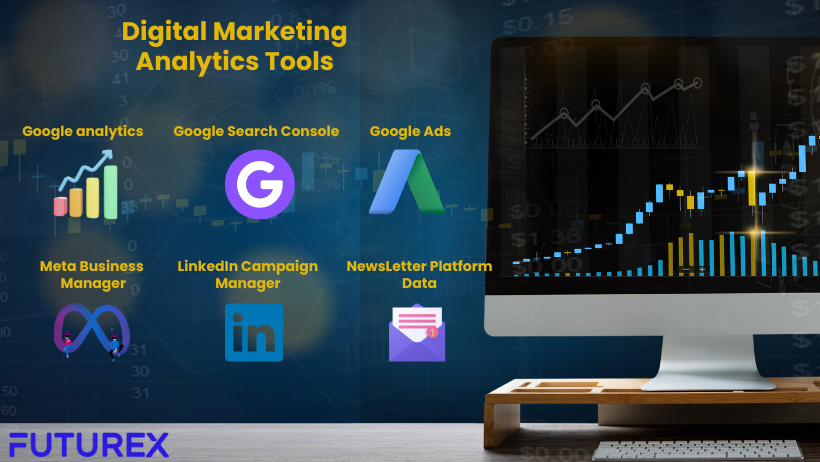
The image below shows the different types of Digital Marketing Analytics Tools
An Illustration of Digital Marketing Analytics Tools, Source: FutureX.
Data Analytics for Business Success
From gaining insights into consumer behavior to optimizing operational processes, data analytics has become a cornerstone for strategic decision-making.
Defining Data Analytics Objectives
The journey into data analytics begins with a clear understanding of business objectives. This section will explore the importance of aligning data analytics initiatives with overarching business goals. Whether the aim is to enhance customer satisfaction, streamline operations, or drive revenue growth, defining specific and measurable objectives is crucial for a successful data analytics strategy.
Establishing a Robust Data Infrastructure
A solid data infrastructure is the backbone of any successful data analytics strategy. This section will delve into the components of a robust infrastructure, including data storage, data processing tools, and data integration systems. Emphasizing the importance of data quality and cleanliness, we will explore how businesses can ensure that their data is accurate, consistent, and readily accessible for analysis.
Choosing the Right Data Analytics Tools
Selecting the appropriate data analytics tools is a critical decision that can significantly impact the success of a data strategy. This section will provide an overview of popular tools for data collection, processing, and visualization. Whether it’s SQL-based databases, machine learning algorithms, or business intelligence platforms, understanding the strengths and applications of various tools is essential for crafting an effective analytics strategy.
Embracing Predictive Analytics for Future Insights
Predictive analytics goes beyond understanding historical data; it anticipates future trends and outcomes. This section will explore the integration of predictive analytics into business strategies, demonstrating how businesses can leverage machine learning algorithms to forecast customer behavior, optimize inventory management, and make proactive decisions that give them a competitive edge.
Implementing Real-time Data Analytics
In a fast-paced business environment, the ability to analyze data in real-time is a game-changer. This section will discuss the benefits of real-time analytics and how businesses can implement systems that allow for instantaneous data processing. From monitoring social media sentiment to adjusting pricing strategies on-the-fly, real-time analytics empowers businesses to respond swiftly to changing market conditions.
Enhancing Decision-Making with Data Visualization
Data, when presented effectively, can tell a compelling story. This section will explore the role of data visualization in making complex information easily understandable. From interactive dashboards to visual reports, businesses can empower decision-makers at all levels to derive meaningful insights from data, fostering a data-driven decision-making culture.
Ensuring Data Security and Compliance
As businesses amass large volumes of sensitive data, ensuring security and compliance becomes paramount. This section will address strategies for safeguarding data against breaches and ensuring compliance with data protection regulations. From encryption techniques to access controls, businesses must prioritize data security to build trust with customers and partners.
Advantages of Data Analytics for Digital Marketers
As businesses strive to connect with their target audiences in more meaningful ways, digital marketers are turning to data analytics to gain valuable insights and drive impactful campaigns. Please refer to this article The Importance of Data Analytics in Digital Marketing.
Informed Decision-Making:
Data analytics empowers digital marketers with the ability to make informed and strategic decisions. By analyzing data on customer behavior, preferences, and engagement patterns, marketers can gain valuable insights that inform content creation, campaign strategies, and overall marketing efforts.
This data-driven decision-making process ensures that marketing initiatives are aligned with the needs and interests of the target audience.
Audience Segmentation and Targeting:
One of the key advantages of data analytics in digital marketing is the ability to segment audiences effectively. By analyzing demographic data, online behavior, and other relevant factors, marketers can create highly targeted and personalized campaigns.
This ensures that the right message reaches the right audience, maximizing the impact of marketing efforts and improving the overall return on investment (ROI).
Optimizing Campaign Performance:
Data analytics allows digital marketers to track the performance of their campaigns in real-time. Through metrics such as click-through rates, conversion rates, and engagement metrics, marketers can identify what is working well and what needs improvement.
This constant feedback loop enables marketers to optimize campaigns on the fly, allocating resources to strategies that deliver the best results.
Understanding Customer Journey:
The customer journey in the digital space is often complex, involving multiple touchpoints before a conversion takes place. Data analytics provides digital marketers with the tools to map and understand this journey comprehensively.
By analyzing customer interactions across various channels, marketers can identify the most influential touchpoints and tailor their strategies to enhance the overall customer experience.
Enhancing Personalization:
Consumers today expect personalized experiences, and data analytics plays a crucial role in meeting these expectations. By analyzing data on individual customer preferences, purchase history, and behavior, digital marketers can deliver highly personalized content and recommendations.
This level of personalization not only improves customer satisfaction but also increases the likelihood of conversion.
Measuring and Demonstrating ROI:
Quantifying the return on investment (ROI) is a perpetual challenge for marketers. Data analytics provides a solution by offering metrics and KPIs that enable marketers to measure the success of their campaigns objectively.
This not only helps in understanding the impact of marketing efforts but also provides the necessary insights to allocate resources effectively in future campaigns.
Competitor Analysis:
Understanding the competitive landscape is crucial for digital marketers. Data analytics allows marketers to conduct thorough competitor analysis by tracking competitor performance, identifying strengths and weaknesses, and uncovering market trends.
This information is invaluable for developing strategies that differentiate a brand and capitalize on market opportunities.
Adapting to Changing Trends:
Digital marketing operates in a fast-paced environment where trends and consumer behaviors can change rapidly. Data analytics provides digital marketers with the agility to adapt to these changes quickly.
By monitoring real-time data, marketers can identify emerging trends, capitalize on opportunities, and adjust strategies to stay ahead of the curve.
Conclusion:
In the data-driven landscape of today, businesses that master the art of data analytics gain a significant competitive advantage. By aligning analytics initiatives with business objectives, establishing robust data infrastructure, embracing predictive and real-time analytics, and prioritizing data security, businesses can unlock the full potential of their data to inform strategic decision-making and drive success. Please visit our blog page for more insightful blogs and articles about the digital marketing landscape.
As we conclude our exploration of data analytics strategies, it’s evident that the future belongs to those who harness the power of data strategically and ethically.
In the ever-evolving realm of digital marketing, staying ahead of the curve is crucial for businesses striving to reach their audience effectively. One of the most dynamic trends shaping the landscape is ephemeral content. This form of content, characterized by its short-lived nature, has become a powerhouse in digital marketing strategies. In this blog post, we’ll explore the significance of ephemeral content, delve into innovative ways of emerging trends in digital marketing.
What is Ephemeral Content?
Ephemeral content refers to short-lived, temporary pieces of multimedia content, often disappearing after a set period. Commonly found on platforms like Instagram Stories, Snapchat, and Facebook Stories, ephemeral content includes images, videos, and text that vanish within 24 hours. Its transitory nature adds an element of urgency, encouraging users to consume and engage promptly. Its ephemeral nature capitalizes on the fear of missing out (FOMO), encouraging real-time engagement and fostering a sense of urgency among users.
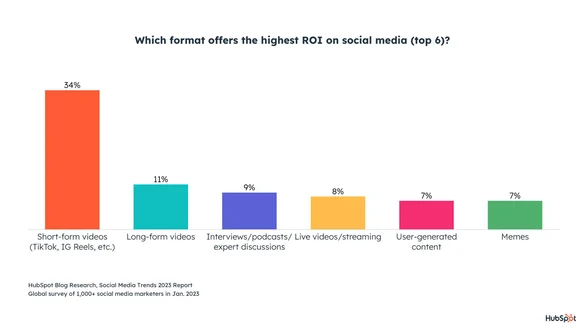
In 2023, short-form video emerged as the leading trend that marketers have capitalized on. According to HubSpot’s 2023 blog, it stands out as the format delivering the highest return on investment (ROI) for social media marketing. As shown in the diagram below.
Hubspot`s Illustration of the Format that offers the Highest ROI.
The Importance of Ephemeral Content
Creating a Sense of Urgency
One of the key reasons ephemeral content has gained traction is its ability to evoke a sense of urgency. With a limited lifespan, users feel compelled to view and interact with the content promptly, fearing they might miss out. This urgency not only boosts engagement but also drives immediate action, making it an ideal tool for time-sensitive promotions and announcements.
Fostering Authenticity and Real-time Connection
Ephemeral content provides a raw and unfiltered glimpse into the daily lives of individuals and brands. Unlike meticulously curated posts, ephemeral content allows for spontaneity, fostering authenticity. This authenticity, coupled with the real-time nature of ephemeral content, enables brands to connect with their audience on a more personal level, creating a genuine and relatable online presence.
Audience Engagement and Interactivity
The interactive features embedded in ephemeral content platforms contribute significantly to audience engagement. Features such as polls, quizzes, and question boxes encourage users to actively participate, transforming content consumption into a two-way conversation. This not only enhances user engagement but also provides valuable insights for brands to understand their audience better.
Overcoming Content Saturation
As social media platforms become saturated with an overwhelming volume of content, ephemeral content offers a refreshing alternative. Its temporary nature prevents the cluttering of feeds, ensuring that users encounter fresh and relevant content during each visit. This uniqueness helps brands stand out in a crowded digital landscape, preventing their message from getting lost in the noise.
Analytics and Measuring Success
Measuring the success of marketing efforts is crucial for refining strategies and optimizing content. Ephemeral content platforms provide analytics tools that offer insights into views, engagement, and interactions. These analytics help brands gauge the effectiveness of their content, allowing for data-driven decision-making and continuous improvement.
Challenges and Risks
While ephemeral content presents numerous advantages, it is essential to acknowledge the associated challenges and risks. The ephemeral nature means that once content disappears, it cannot be revisited. This can pose challenges for brands aiming to create a lasting impact or maintain a consistent brand narrative. Additionally, the temporary nature of content requires a consistent effort to keep the audience engaged.
Future Trends and Innovations
As technology evolves, so does the landscape of digital marketing. Ephemeral content is likely to witness continuous innovation and integration with emerging technologies. Augmented reality (AR), virtual reality (VR), and other immersive experiences may shape the future of ephemeral content, providing brands with even more creative avenues to engage their audience.
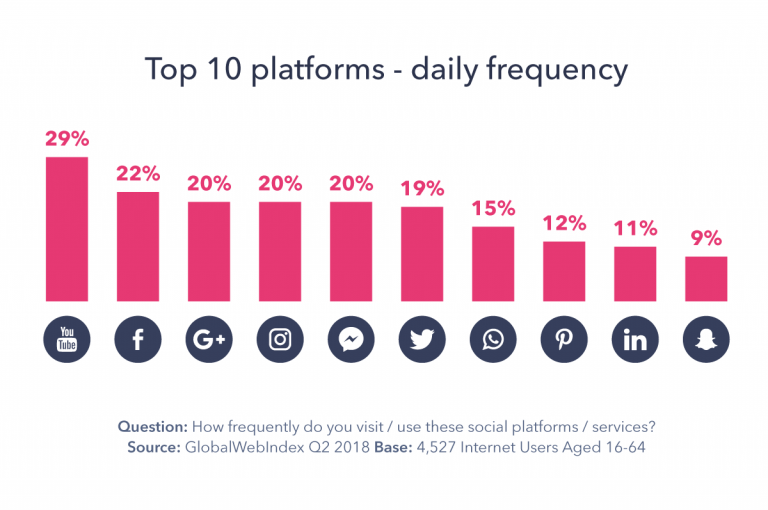
Illustration about the Top 10 most used platforms and their daily use.
The Power of Stories:
Platforms like Instagram and Snapchat pioneered the Stories feature, allowing businesses to share moments, promotions, and behind-the-scenes glimpses. The temporary nature of Stories encourages followers to stay engaged, driving up brand visibility and interaction.
Live Interaction:
Live streaming has become a powerful tool for brands to connect with their audience in real-time. Whether it’s a product launch, Q&A session, or behind-the-scenes look, live content adds a personal touch to digital marketing, fostering a sense of authenticity.
User-Generated Content:
Ephemeral content often thrives on user-generated content (UGC). Encouraging followers to contribute content, whether through challenges or hashtag campaigns, not only engages the audience but also provides a valuable stream of authentic content for brands.
Innovative Ways of Doing Digital Marketing:
As digital marketing continues to evolve, adopting innovative strategies becomes imperative for businesses to stand out. Here are some ways to elevate your digital marketing game:
1. Personalization through AI:
Artificial Intelligence (AI) has revolutionized digital marketing by enabling personalized experiences. Utilizing AI algorithms, businesses can analyze user behavior and preferences, delivering tailored content and recommendations. Personalization enhances user engagement, loyalty, and conversion rates. Integrating Visual-AI to Ephemeral Content please read how visual-AI can help B2B marketers gather data from ephemeral content.
2. Video Marketing Dominance:
Video content remains a dominant force in digital marketing. Short-form videos, long-form storytelling, and interactive video experiences captivate audiences across platforms. Platforms like TikTok and Instagram Reels have propelled the popularity of short, engaging videos, providing a unique space for creative expression.
3. Influencer Marketing Evolution:
Influencer marketing has evolved beyond traditional celebrity endorsements. Micro-influencers, who have smaller but highly engaged audiences, are gaining traction. Collaborating with these influencers can bring authenticity and relatability to your brand, creating more meaningful connections with consumers.
4. Interactive Content Engagement:
Interactive content, such as polls, quizzes, and surveys, transforms passive consumers into active participants. Engaging users in this way not only boosts interaction but also provides valuable insights into consumer preferences, helping refine marketing strategies.
Digital Marketing Trends Shaping the Future:
The digital marketing landscape is in a constant state of flux, with emerging trends reshaping the way businesses connect with their audience. Staying abreast of these trends is vital for staying competitive. Here are some trends shaping the future of digital marketing:
1. Augmented Reality (AR) Integration:
AR is revolutionizing the way consumers experience products online. From virtual try-ons to interactive shopping experiences, brands are leveraging AR to enhance engagement and provide a more immersive online experience.
2. Voice Search Optimization:
With the rise of virtual assistants like Siri, Alexa, and Google Assistant, voice search is becoming increasingly prevalent. Optimizing content for voice search is essential to ensure visibility in this growing segment of search queries.
3. Sustainability and Social Responsibility:
Consumers are becoming more conscientious about the ethical practices of the brands they support. Digital marketing strategies that highlight sustainability, social responsibility, and ethical business practices resonate with an increasingly environmentally and socially aware audience.
4. Data Privacy and Compliance:
As data privacy concerns continue to escalate, digital marketers must prioritize compliance with regulations like GDPR and CCPA. Transparent communication about data usage and stringent security measures build trust with consumers.
For the various benefits of Ephemeral Content, please read the following article posted on searchenginejournal.
World case examples of use of Ephemeral Content
Snapchat Stories:
Snapchat pioneered ephemeral content with its Stories feature, allowing users to share photos and videos that disappear after 24 hours. This has been widely adopted by individuals, influencers, and brands for real-time updates and behind-the-scenes glimpses.
Instagram Stories:
Instagram introduced Stories as a response to Snapchat’s success. Users can share temporary content, including images, videos, and interactive elements. Many brands leverage Instagram Stories for product launches, promotions, and interactive polls.
WhatsApp Status:
WhatsApp, a popular messaging app, incorporated a similar feature called Status. Users can share images, videos, and GIFs with their contacts, and the content disappears after 24 hours.
TikTok:
TikTok is a platform entirely built on short-form, engaging videos. While not strictly ephemeral in the traditional sense, TikTok’s content is designed for quick consumption and often follows trends that come and go rapidly.
Twitter Fleets:
Twitter introduced Fleets, a feature allowing users to share disappearing tweets. This format is designed to encourage more casual and temporary sharing compared to regular tweets.
LinkedIn Stories:
LinkedIn, a professional networking platform, introduced Stories for users to share updates in a more casual and temporary format. This feature was aimed at fostering more personal connections among professionals.
Facebook Stories:
Facebook integrated Stories across its platforms, including Facebook itself, Instagram, and WhatsApp. Users can share ephemeral content with their friends and followers.
Ephemeral Content in Marketing Campaigns:
Many brands leverage ephemeral content in their marketing campaigns. For example, a clothing brand might use Instagram Stories to showcase a limited-time discount code or offer a sneak peek of an upcoming collection.
It’s important to note that the popularity and features of social media platforms may change over time, and new platforms may emerge. Always check the latest trends and platform updates for the most current examples of ephemeral content use.
Conclusion:
In the fast-paced world of digital marketing, embracing ephemeral content and staying attuned to emerging trends is essential for success. By understanding the power of ephemeral content, exploring innovative marketing strategies, and adapting to the latest trends, businesses can forge meaningful connections with their audience, elevate brand visibility, and stay ahead in the competitive digital landscape. Visit our blog page for more insightful blogs and articles about the digital marketing landscape. You can also find us at LinkedIn, Instagram and Facebook.