What Is Conversion Rate Optimization? A Practical Guide for Businesses in Kenya
Many businesses invest in digital marketing to bring more people to their websites. They run ads, publish social media posts, improve SEO, and send prospects to landing pages. Yet traffic alone does not guarantee more inquiries, bookings, quote requests, app downloads, or sales.
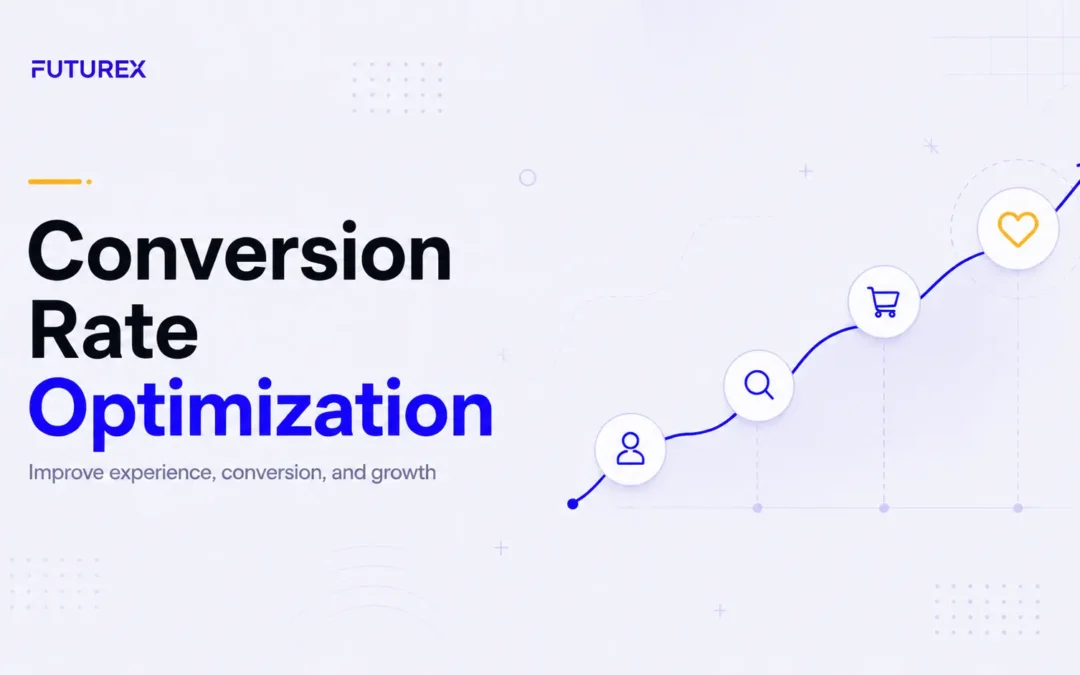
Conversion rate optimization helps solve that gap. Also called CRO or conversion rate optimisation, it is the process of improving a website, landing page, or digital experience so that more visitors take the action you want them to take. That action could be submitting a contact form, clicking a WhatsApp button, requesting a quote, booking a consultation, buying a product, downloading a resource, or signing up for an offer.
For businesses in Kenya, especially those using websites as part of their sales and marketing strategy, CRO matters because visibility is only useful when it leads to action. A business can rank on Google, attract social media traffic, or spend money on ads, but if visitors leave without converting, growth remains limited.
What Conversion Rate Optimization Means in Digital Marketing
Conversion rate optimization is the structured process of increasing the percentage of website visitors who complete a desired action. A conversion does not always mean a sale. For a service business, it may be a consultation request. For an ecommerce store, it may be a completed checkout. In a lead generation campaign, it may be a form submission, phone call, or WhatsApp inquiry.
This is why CRO is an important part of digital marketing. It focuses on what happens after a visitor lands on your website. Instead of only asking how to get more traffic, CRO asks a more commercial question: how can we help more of the right visitors take the next step?
A conversion is the action you want someone to take, while conversion rate is the percentage of visitors who complete that action. If 1,000 people visit a landing page and 50 submit an inquiry form, the conversion rate is 5%.
Here is the basic formula:
Conversion Rate = (Number of Conversions ÷ Number of Visitors) × 100.
This distinction matters because a business may have many visitors but a weak conversion rate. Another business may have fewer visitors but stronger conversion performance because its website is clearer, faster, more trusted, and easier to act on.
Why CRO Matters for Businesses in Kenya and Beyond
Kenyan businesses are increasingly using websites, landing pages, Google Ads, SEO, social media, WhatsApp, and ecommerce platforms to attract customers. That creates opportunity, but it also creates competition. When a potential customer compares several providers online, the business with the clearest message, strongest trust signals, and easiest next step often has the advantage.
Conversion rate optimization helps businesses get more value from traffic they already have. Rather than spending more money to attract visitors, CRO improves the journey so that a higher percentage of existing visitors become leads or customers.
For example, a clinic may need more appointment bookings from its website. An insurance company may want more quote requests. A real estate firm may need more qualified inquiries. Meanwhile, an ecommerce store may want fewer cart abandonments and more completed purchases.
This also matters for businesses serving international customers from Kenya or expanding into markets such as Dubai. A strong website has to build trust quickly, explain value clearly, and make the next step simple for people who may not already know the brand.
CRO is also becoming more important because digital marketing costs continue to put pressure on business performance. When businesses invest in SEO, paid ads, social media, or email campaigns, they need more than traffic reports. They need to know whether that attention is turning into qualified leads, sales conversations, purchases, or revenue opportunities.
FutureX includes CRO thinking within its broader Digital Marketing Services because strong marketing should not stop at reach or traffic. It should support the full journey from visibility to trust, conversion, and revenue.
What Makes Website Visitors Convert?
People convert when a website gives them enough clarity, confidence, and motivation to act. The first factor is clarity. Visitors should quickly understand what the business offers, who it helps, and why the offer matters. When a page uses vague language or hides important information, users are more likely to leave.
Trust is just as important. A visitor may like the offer but hesitate if there are no testimonials, reviews, client examples, certifications, location details, or clear contact options. In many industries, especially service-based sectors, people need reassurance before they submit their details.
Another major factor is ease of action. If the form is too long, the page is slow, the CTA is unclear, or the mobile layout is difficult to use, conversion drops. CRO reduces this friction by making the next step obvious and simple.
Strong calls-to-action also influence conversion. Instead of vague CTAs like “Submit” or “Learn More,” businesses should use action-focused language such as “Request a Quote,” “Book a Consultation,” “Start Your Growth Sprint,” or “Talk to Our Team.” A visitor should never have to guess what to do next.
Good conversion also depends on relevance. A user who arrives from a Google search, social media post, or paid ad expects the page to match what they clicked. If the message does not match the user’s need, the visitor may leave even when the service itself is useful.
Practical Conversion Rate Optimization Methods
A strong CRO process usually starts with a website or landing page audit. This review looks at page structure, content clarity, calls-to-action, forms, navigation, mobile experience, page speed, and user flow. The goal is to identify where visitors may be confused, distracted, or blocked from taking action.
User behavior analysis comes next. Analytics tools, heatmaps, scroll maps, and session recordings can show how people interact with a page. This helps a business see where users click, how far they scroll, and where they exit.
A/B testing is another common CRO method. It compares two versions of a page element to see which performs better. A business may test headlines, CTA text, form layouts, images, offers, or landing page sections.
Landing page optimization is also central to CRO. A good landing page should have one clear goal, a strong message, relevant proof, and a direct next step. Pages that try to do too much often convert poorly because they split the visitor’s attention.
Form optimization can create quick gains. Shorter forms, clearer labels, better button text, and mobile-friendly fields can reduce abandonment and increase submissions. Combined with stronger copy, better trust signals, and clearer page flow, these improvements can make a website more effective without requiring a full rebuild.
Conversion Rate Optimization Best Practices for Better Results
The best CRO practices focus on improving the full user journey rather than making random design changes. A business should begin by identifying the most important conversion action on each page. For one page, the goal may be a quote request. For another, it may be a WhatsApp click, booking, checkout, download, or consultation request.
A strong page should match the visitor’s intent. Someone searching for “what is conversion rate optimization” needs a clear explanation, while someone comparing providers may need proof, process, pricing guidance, testimonials, or a direct next step. When the page answers the right question at the right stage, visitors are more likely to stay and act.
The first visible section of the page should also be clear. It should explain what the business offers, who it helps, why it matters, and what the visitor should do next. If users cannot understand the offer within a few seconds, many will leave before reading further.
Trust signals should appear near key decision points. Reviews, testimonials, case studies, awards, client examples, certifications, and clear contact details can reduce hesitation. This is especially important for service businesses where customers need confidence before sharing their information.
Forms should be simple and practical. A business should only ask for the information needed at that stage of the journey. Long forms, unclear labels, and slow mobile experiences can reduce submissions even when the visitor is interested.
Testing should be part of the process. Instead of assuming what will work, businesses can test headlines, CTA wording, page layouts, form lengths, offers, and landing page sections. Over time, these tests help reveal what actually improves conversion performance.
Good CRO also depends on tracking. Businesses should monitor form submissions, CTA clicks, phone clicks, WhatsApp clicks, purchases, bookings, landing page performance, cost per lead, and lead quality. Without tracking, it is difficult to know whether a website is producing meaningful business results.
AI, Testing, and Common CRO Mistakes
AI can support conversion rate optimization, but it should not replace strategy or real user data. Used well, AI can help generate headline variations, review landing page copy, suggest FAQ topics, identify possible objections, summarize user feedback, and create A/B testing ideas.
Still, CRO decisions should be guided by analytics, customer behavior, business goals, and commercial context. AI can support the process, but real performance data should determine what stays, what changes, and what gets tested next.
Many businesses treat CRO as a design exercise. They change button colors, move sections around, or redesign pages without first understanding the real conversion problem. A more serious mistake is making changes without analytics. If a business does not know where visitors are dropping off, it may spend time fixing the wrong issue.
Weak CTAs also reduce conversions. When the next step is unclear, visitors may leave even if they are interested. Long forms, slow loading pages, poor mobile layouts, inconsistent messaging, missing trust signals, and generic landing pages can create the same problem.
Another mistake is ignoring what happens after the conversion. A form submission is useful, but the business still needs a clear follow-up process. If leads are not tracked, responded to quickly, or qualified properly, the website may generate interest without creating real commercial value.
How CRO Fits Into a Digital Growth System
Conversion rate optimization works best when it is connected to the wider digital marketing system. A website may attract visitors through SEO, paid campaigns, social media, referrals, or email marketing, but the conversion journey determines whether that traffic becomes useful to the business.
A practical CRO process reviews the website structure, page content, calls-to-action, forms, landing pages, trust signals, analytics setup, and lead capture points. It also checks whether the business can track what happens after a visitor takes action. For example, a form submission should not only be counted as a lead. The business should also understand whether that lead became a serious inquiry, proposal, booking, sale, or long-term opportunity.
This is where CRO connects with broader digital marketing services. Growth depends on more than visibility. The website, campaigns, tracking, content, and follow-up process should work together to help a business attract the right audience, build trust, and convert more opportunities into measurable results.
For Kenyan businesses serving both local and international markets, CRO can help turn a digital presence into a more reliable growth channel. It shows where opportunities are being lost and what improvements can create stronger results.
Conclusion
Conversion rate optimization is one of the most important parts of digital marketing because it focuses on what happens after people arrive on your website. You may already be getting traffic from Google, social media, paid campaigns, referrals, or email marketing. However, if visitors are not taking action, there may be gaps in your messaging, design, user journey, trust signals, forms, or tracking.
The real value of CRO is that it helps businesses turn visibility into measurable action. Rather than guessing why people are not converting, it gives you a structured way to review the journey, improve the experience, and increase the chances that the right visitors become leads, customers, or revenue opportunities.
If your website is attracting visitors but not generating enough inquiries, bookings, quote requests, or sales, FutureX can help you identify the gaps and improve the full conversion journey. Request a 90-Day Growth Sprint with FutureX to review your digital presence, remove conversion barriers, and build a practical growth system that supports visibility, trust, conversion, and revenue.