In the ever-evolving landscape of digital commerce, businesses are constantly seeking effective ways to stand out and reach their target audience. One powerful strategy that has become indispensable in today’s competitive market is paid marketing.
Whether you’re a seasoned marketer or a business owner looking to enhance your online presence, understanding the intricacies of paid marketing is crucial. In this comprehensive guide, we’ll delve into the world of paid marketing, exploring its various forms, strategies, and best practices to help you boost your business and maximize ROI.
I. Understanding Paid Marketing:
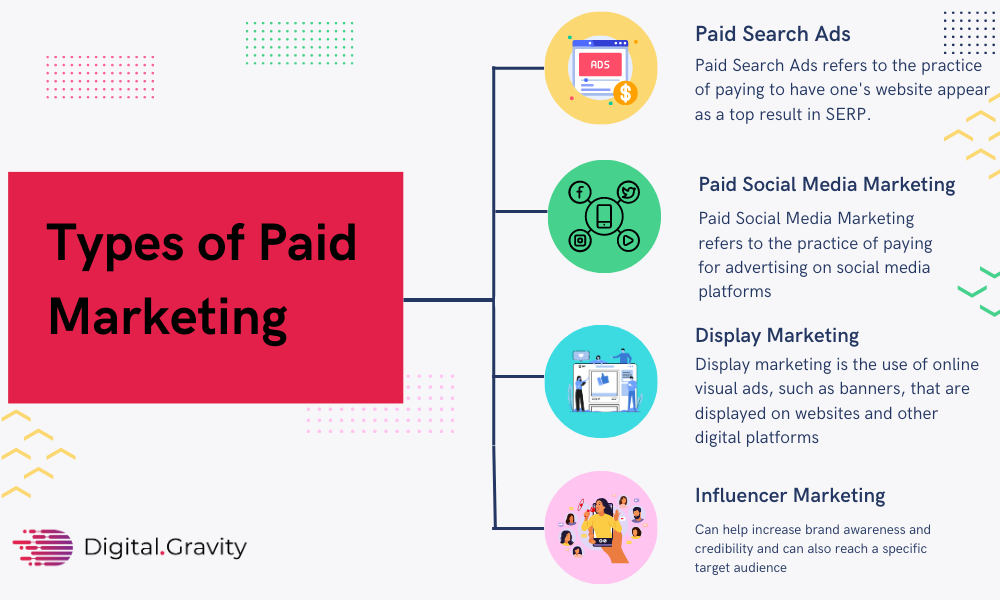
Paid marketing, also known as paid advertising, refers to the practice of paying to promote products, services, or brands through various online channels. The most common types of paid marketing include:
1.Search Engine Marketing (SEM): Utilizing paid search ads on platforms like Google to appear at the top of search engine results.
2.Social Media Advertising: Running paid campaigns on popular social media platforms like Facebook, Instagram, Twitter, and LinkedIn.
3.Display Advertising: Placing visual ads on websites, blogs, and apps to increase brand visibility.
4.Influencer Marketing: Collaborating with influencers to promote products or services to their followers.
Crafting an Effective Paid Marketing Strategy:
A. Define Your Goals:
Before diving into paid marketing, it’s essential to establish clear and measurable goals. Whether it’s increasing brand awareness, driving website traffic, or boosting sales, defining your objectives will shape your overall strategy.
B. Know Your Audience:
Understanding your target audience is fundamental to any successful marketing campaign. Conduct thorough market research to identify your audience’s preferences, behaviors, and pain points, allowing you to tailor your messaging accordingly.
C. Budget Allocation:
Allocate your budget strategically across different channels based on your business goals and target audience. Testing and optimizing your budget allocation over time will help you find the most effective channels for your specific objectives.
D. Keyword Research:
For SEM campaigns, thorough keyword research is crucial. Identify relevant keywords that align with your products or services to ensure your ads appear when potential customers search for related terms.
Paid Marketing Channels:
An Illustration about the different Paid Marketing Channels.
A. Search Engine Marketing (SEM):
1.Google Ads: Create targeted ads that appear at the top of Google search results. Utilize features like ad extensions and negative keywords for optimal results.
2.Bing Ads: Expand your reach by running ads on Microsoft’s Bing search engine, reaching users who may not use Google as their primary search engine.
B. Social Media Advertising:
1.Facebook Ads: Leverage Facebook’s vast user base and advanced targeting options to reach specific demographics based on interests, behaviors, and demographics.
2. Instagram Ads: Create visually appealing ads to engage with Instagram’s visually-oriented audience. Utilize Stories, Explore, and in-feed ads for maximum impact.
3.X Ads (FormerlyTwitter): Promote your brand or products with promoted tweets, trends, or accounts, targeting users based on interests and demographics.
4.LinkedIn Ads: Target professionals and businesses with sponsored content, sponsored InMail, or display ads on LinkedIn.
C. Display Advertising:
1.Banner Ads: Design visually appealing banner ads to display on websites within your target audience’s interests.
2.Retargeting: Implement retargeting ads to reconnect with users who have previously visited your website but didn’t convert.
Creating Compelling Ad Creatives:
A. Ad Copy:
1.Crafting Attention-Grabbing Headlines: Create concise and compelling headlines that grab the audience’s attention and encourage further engagement.
2.Compelling Ad Descriptions: Write clear and persuasive ad descriptions that highlight the unique value proposition of your products or services.
B. Visual Elements:
High-Quality Images: Use high-resolution images that showcase your products or services in the best light possible.
Videos: Incorporate video content to increase engagement and convey your brand message in a more dynamic way.
Monitoring and Optimization:
A. Analytics Tools:
1.Google Analytics: Monitor website traffic, user behavior, and conversion metrics to gain insights into the performance of your paid campaigns.
2.Social Media Insights: Use built-in analytics tools on social media platforms to track engagement, reach, and conversion metrics for your paid ads.
B. A/B Testing:
Conduct A/B tests on different elements of your ads, such as headlines, ad copy, visuals, and targeting parameters. Analyze the results to refine your campaigns for optimal performance.
C. Adjusting Bids:
Regularly review and adjust your bidding strategy to ensure you’re getting the best value for your budget. Experiment with bidding strategies such as manual bidding, automated bidding, and target CPA bidding.
An Illustration about the Types of Paid Marketing. Source: DigitalGravity.
Overcoming Common Challenges of Paid Marketing:
A. Ad Fatigue:
Rotate your ad creatives regularly to prevent ad fatigue, ensuring that your audience remains engaged and interested in your offerings.
B. Budget Constraints:
If working with a limited budget, focus on channels that offer the best ROI for your specific business objectives. Consider starting small and gradually increasing your budget as you see positive results.
C. Staying Compliant:
Adhere to the guidelines and policies of each advertising platform to avoid potential issues with ad approval and account suspension.
World Case Studies of Paid Marketing:
Highlighting successful paid marketing case studies can provide real-world examples of effective strategies and inspire businesses to implement similar approaches.
Facebook Ads: Facebook’s advertising platform is a juggernaut in the digital marketing space. With its sophisticated targeting options, businesses can tailor their ads based on demographics, interests, and behaviors.
Google Ads: Google Ads dominates the online advertising landscape, allowing businesses to appear in search results when users look for relevant keywords.
Instagram Influencer Marketing: Leveraging influencers on Instagram is another real-world example of paid marketing. Brands collaborate with influencers to tap into their engaged follower base, effectively promoting products or services.
This approach adds an authentic touch to marketing, as audiences often trust recommendations from influencers they follow.
Pros of Paid Marketing:
Immediate Results:
Pro: One of the most significant advantages of paid marketing is the speed at which it delivers results. Unlike organic methods, such as SEO, paid advertising can generate traffic, leads, and conversions almost instantly.
Targeted Advertising:
Pro: Paid marketing platforms often provide sophisticated targeting options. Advertisers can specify demographics, interests, and behaviors, ensuring their messages reach a highly relevant audience.
Use AI algorithms to analyze customer data and behavior to identify target audiences more accurately. Integrating A.I to Paid Marketing, please read A.I for Paid Media.
Implement programmatic advertising, where AI automates the buying of ads and targeting based on real-time data.
Measurable ROI:
Pro: Paid marketing allows for precise tracking and measurement of return on investment (ROI). Marketers can analyze metrics such as click-through rates, conversion rates, and cost per acquisition to assess the effectiveness of their campaigns.
Brand Visibility:
Pro: Paid marketing increases brand visibility and awareness. Displaying ads on popular platforms ensures that potential customers see the brand, even if they don’t make an immediate purchase.
Flexibility and Control:
Pro: Advertisers have control over their campaigns, allowing them to adjust budgets, targeting parameters, and ad creatives in real-time. This flexibility enables quick adaptation to changing market conditions.
Cons of Paid Marketing:
Costs:
Con: Perhaps the most obvious drawback of paid marketing is the associated costs. Running effective campaigns may require a substantial budget, and competition for ad space can drive up prices.
Ad Blockers:
Con: With the rise of ad blockers, many users actively avoid traditional display ads. This can diminish the effectiveness of paid marketing efforts, especially if the target audience is tech-savvy and frequently uses ad-blocking tools.
Temporary Results:
Con: While paid marketing can yield quick results, its impact is often temporary. Once a campaign ends, so do the benefits. This is in contrast to some organic methods that can provide long-term value.
Trust Issues:
Con: Consumers may view paid ads with skepticism, associating them with a sales pitch rather than genuine information. Building trust through paid advertising can be challenging, especially when compared to organic methods.
Learning Curve:
Con: To run successful paid marketing campaigns, businesses need to navigate through complex platforms, algorithms, and bidding systems. There’s a learning curve involved, and mistakes can be costly.
In the dynamic world of digital marketing, paid marketing stands as a powerful tool for businesses seeking rapid and targeted growth. By understanding the nuances of different paid channels, crafting compelling ad creatives, and continuously optimizing campaigns based on data-driven insights, businesses can elevate their online presence and achieve measurable success.
As technology advances and consumer behaviors evolve, staying adaptable and
informed will be key to unlocking the full potential of paid marketing in driving business growth. Please visit our blog page for more insightful blogs and articles about the digital marketing landscape.
Social media has become an integral part of our lives, with millions of people around the world using platforms such as Facebook, Twitter, and Instagram on a daily basis. But social media isn’t just a place to connect with friends and share updates about our lives. It has also become a powerful tool for businesses to connect with their target audience and improve their online visibility. Furthermore, Social media plays a crucial role in SEO by enhancing online visibility, fostering brand recognition, and indirectly influencing search engine rankings.
The Relationship Between Social Media and SEO
In recent years, search engine optimization (SEO) has become increasingly important for businesses who want to improve their online presence and attract more organic traffic to their websites. SEO involves optimizing a website so that it ranks higher in search engine results pages. This can be achieved through various techniques, such as keyword research, on-page optimization, and link building.
But where does social media fit into the picture? Well, search engines like Google take into account the social signals generated by social media platforms when determining the relevance and credibility of a website. This means that businesses who effectively integrate social media into their SEO strategy can reap the benefits of improved search engine rankings and increased organic traffic.
Why Social Media Matters for SEO
1. Increased Website Visibility
Social media platforms provide an additional channel for your business to be discovered online. By sharing valuable content and engaging with your target audience on social media, you increase the chances of driving traffic to your website from platforms such as Facebook, Twitter, and LinkedIn. This not only boosts your website’s visibility but also increases the opportunities for your content to be shared and linked to by others, which in turn improves your website’s SEO.
2. Social Signals as Ranking Factors
Search engines like Google take social signals, such as the number of likes, shares, and comments on a social media post, into consideration when determining a website’s ranking. By building a strong social media presence and generating engagement on your posts, you send positive signals to search engines that your content is valuable and worth ranking higher in search results.
3. Link Building Opportunities
Good quality backlinks are a crucial aspect of SEO, and social media can be a useful tool for building links to your website. By sharing your content on social media and reaching out to influencers and authoritative websites in your industry, you increase the chances of them linking back to your website. These backlinks not only drive referral traffic but also improve your website’s SEO by signaling to search engines that your content is trusted and credible.
Effective Integration Strategies
Now that we understand the importance of social media in SEO, let’s explore some effective integration strategies that can help you maximize the benefits:
1. Optimize Your Social Media Profiles
Start by optimizing your social media profiles to align with your brand and target keywords. Use relevant keywords in your profile descriptions, headlines, and hashtags to improve your visibility in both social media searches and search engine results pages.
2. Create High-Quality, Shareable Content
To engage your target audience and encourage social sharing, create high-quality content that provides value. This could be in the form of blog posts, informative videos, infographics, or even interactive quizzes. By creating shareable content, you increase the chances of it being shared on social media, generating valuable social signals and potentially driving traffic back to your website.
3. Promote Your Website and Content on Social Media
Don’t just limit your social media presence to building followers and engagement. Actively promote your website and content by sharing links and directing your audience to relevant pages on your website. This not only helps drive traffic but also signals to search engines that your website is highly valued by users.
4. Engage with Your Audience
One of the key benefits of social media is the ability to directly engage with your audience. Respond to comments, answer questions, and acknowledge feedback on your social media posts. This not only helps build trust and loyalty but also encourages further engagement, social sharing, and potential links to your website.
5. Collaborate with Influencers and Industry Experts
Reach out to influencers and industry experts in your niche and collaborate with them to amplify your online reach. This could involve guest blogging, co-creating content, or hosting joint social media campaigns. By associating your brand with reputable influencers, you not only gain exposure to their audience but also increase the chances of generating valuable backlinks to your website.
6. Monitor and Analyze Your Results
Track the performance of your social media efforts and analyze the impact on your website’s SEO. Use tools like Google Analytics and social media analytics platforms to measure metrics such as website traffic, engagement, and conversions. This data will help you identify what’s working and what needs improvement in order to refine your strategies and maximize your SEO benefits from social media integration.
Conclusion
The role of social media in SEO is undeniable. By effectively integrating social media into your SEO strategy, you can improve your website’s visibility, drive more organic traffic, and boost your search engine rankings. Remember to optimize your social media profiles, create shareable content, promote your website, engage with your audience, collaborate with influencers, and monitor your results. By following these strategies, you can harness the role of social media in SEO efforts and achieve long-term success for your business.
In the dynamic realm of digital marketing, few strategies have left as profound an impact as influencer marketing. What initially emerged as an innovative approach to audience outreach. Has evolved into a dominant force that shapes social media landscapes and redefines the dynamics between consumers and brands. This blog embarks on an exploration of influencer marketing’s evolution. Tracing its roots from modest beginnings to its current status as an indispensable tool for brands.
The Genesis of Influencer Marketing:
To comprehend the evolution of influencer marketing, a retrospective examination of its origins is essential. The inception of influencer marketing can be traced back to the early days of social media,\. This is where individuals with substantial followings began gaining recognition. Initially met with skepticism by brands unsure of their impact on target audiences. Influencers gradually emerged as powerful conduits for product and service promotion.
As platforms like Instagram, YouTube, and TikTok gained prominence, so did the influencers who commanded these spaces. Furthermore, brands soon recognized the potential of harnessing the influence of these digital personalities to amplify their marketing efforts, marking the advent of a new era in advertising.
The Rise of Micro-Influencers:
A pivotal shift in influencer marketing transpired with the ascent of micro-influencers. These individuals, boasting smaller yet highly engaged audiences, became valuable assets for brands seeking to connect with specific niche markets. Micro-influencers brought authenticity to the forefront, as their endorsements felt more sincere and personal compared to mega-influencers with millions of followers.
This shift signaled a departure from the celebrity-centric influencer campaigns of yesteryears. Brands acknowledged that effective influencer marketing wasn’t solely about reaching the widest audience but about fostering meaningful connections with consumers who trusted the influencer’s opinions.
Authenticity and Transparency:
Continuing its evolution, influencer marketing pivoted towards authenticity and transparency as essential elements of successful campaigns. Audiences grew discerning, demanding genuine connections between influencers and the products they endorsed. Influencers who shared personal stories, experiences, and candid reviews resonated more with their followers, fostering increased credibility for both the influencer and the brand.
To meet the demand for authenticity, brands began prioritizing long-term relationships with influencers over one-off collaborations. This strategic shift allowed influencers to seamlessly integrate products into their content, cultivating a sense of trust and reliability among their audience.
The Emergence of Nano-Influencers:
In the ongoing evolution of influencer marketing, the emergence of nano-influencers marked another significant development. Nano-influencers, individuals with small yet highly engaged followings ranging from a few hundred to a few thousand, introduced a hyper-localized and grassroots approach to influencer campaigns.
Brands recognized the potential of nano-influencers to connect with specific communities and demographics, achieving a level of intimacy that larger influencers might find challenging. This trend reinforced the notion that influence isn’t solely determined by follower count but by the depth of connection an influencer has with their audience.
Evolving Platforms and Content Formats:
As social media platforms continued to evolve, so did the ways in which influencers engaged with their audiences. The introduction of features such as Instagram Stories and Snapchat, coupled with the explosive growth of short-form video on TikTok, reshaped the influencer marketing landscape.
Brands had to adapt their strategies to align with these evolving platforms and embrace new content formats. Influencers who swiftly embraced these changes and demonstrated a deep understanding of platform dynamics became even more sought after by brands aiming to stay at the forefront of the competitive digital space.
The Integration of E-commerce:
Influencer marketing underwent a transformation beyond content and platforms, integrating seamlessly with e-commerce. The concept of social commerce, the amalgamation of social media and online shopping, emerged as a potent avenue for influencers to drive direct sales. Influencers began featuring shoppable links, discount codes, and engaging in affiliate marketing, providing a frictionless pathway for their followers to make purchases.
This shift towards e-commerce integration elevated influencer marketing from a mere brand awareness tool to a direct revenue-generating strategy. Brands acknowledged the influence influencers wielded over the purchasing decisions of their audience and began allocating more substantial portions of their marketing budgets to influencer collaborations.
Data-Driven Decision Making:
As influencer marketing continued to mature, data-driven decision-making became a cornerstone of successful campaigns. Brands armed themselves with advanced analytics and tracking tools, allowing for precise assessment of the performance of influencer collaborations. Metrics such as engagement rates, click-through rates, and conversion rates became pivotal in evaluating the effectiveness of campaigns and determining the return on investment.
This data-driven approach empowered brands to refine their influencer marketing strategies, identifying influencers who delivered optimal results for specific objectives. The ability to measure and analyze campaign performance facilitated informed decision-making. Thus, enabling brands to optimize their marketing spend and achieve tangible results.
Challenges and Controversies:
Amidst its evolution, influencer marketing encountered challenges and controversies that demanded attention. Issues such as fake followers, influencer fraud, and a lack of transparency in sponsored content raised concerns within the industry. In response, brands, influencers, and platforms implemented measures to address these issues. This included heightened scrutiny of follower authenticity, clearer disclosure guidelines, and transparency tools provided by social media platforms.
These challenges underscored the importance of ethical practices within the influencer marketing ecosystem. Influencer marketing agencies and platforms played a pivotal role in establishing and enforcing industry standards. This was to ensure the sustainability and credibility of the influencer marketing space.
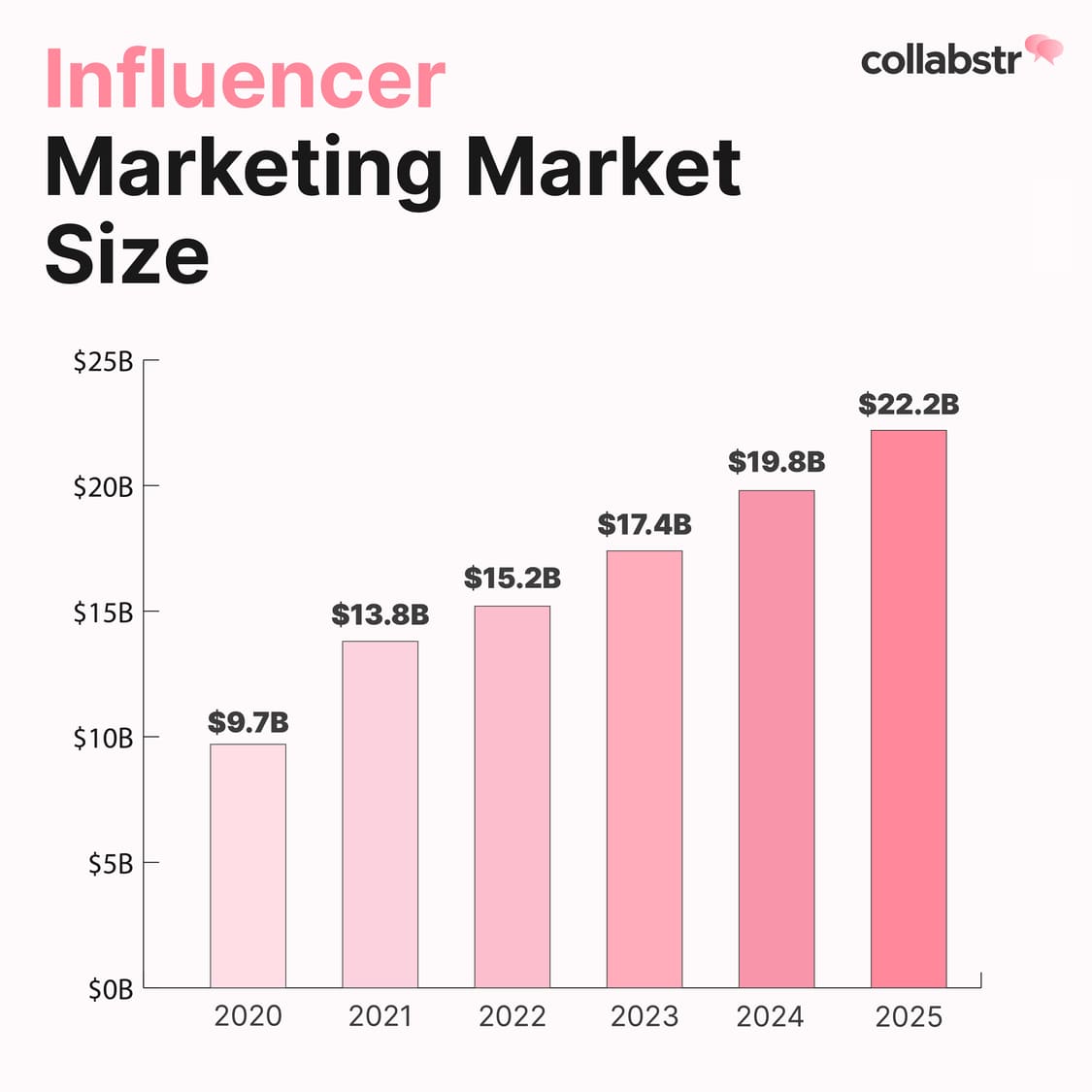
Statistical Illustration by Collabstr about an increase in influencer marketing spend.
The Future:
Reflecting on the evolution of influencer marketing over the past few years. It becomes evident that this dynamic strategy will continue to shape the future of digital advertising. Several trends and developments offer insights into what lies ahead for influencer marketing:
1. Rise of Virtual Influencers: The emergence of virtual influencers, computer-generated characters with distinct personalities and followings, introduces a new dimension to influencer marketing. These digital entities offer brands a unique way to engage with audiences, blurring the lines between reality and virtual spaces.
2. Video Content Dominance: With the sustained growth of short-form video platforms like TikTok and Instagram Reels. The emphasis on video content across social media, influencers adept at creating compelling videos will be in high demand. Brands are likely to invest more in video-centric influencer campaigns. To capture the attention of audiences in a visually-driven digital landscape.
3. Sustainability and Purpose-Driven Campaigns: Influencers aligning with sustainability and purpose-driven initiatives will gain prominence. As consumers become more conscious of ethical practices. Influencers advocating for social and environmental causes will resonate with audiences seeking authenticity and shared values.
4. Advanced AI and Personalization: The integration of advanced artificial intelligence (AI) technologies will moreover enable brands to personalize influencer marketing campaigns at scale. AI-driven tools can analyze vast amounts of data to identify the most relevant influencers for specific target audiences. This can lead to more effective and targeted collaborations. Please read the following blog The Future of content creation for influencer marketing with ai. It clearly shows how AI is instrumental in the evolution of Influencer Marketing.
5. Immersive Technologies: Augmented reality (AR) and virtual reality (VR) present new opportunities for influencers to create immersive and interactive content. Brands may explore collaborations with influencers who can leverage these technologies to provide unique and engaging experiences for their audience.
Here are some real-world cases illustrating the evolution :
Diversification of Platforms:
Case: Influencer marketing has expanded beyond traditional platforms like Instagram and YouTube. TikTok, for instance, gained immense popularity, leading to the rise of TikTok influencers. Furthermore, brands adapted their strategies to include influencers on these emerging platforms to reach new and younger audiences.
Authenticity and Long-Term Partnerships:
Case: Brands shifted towards building long-term relationships with influencers rather than one-off collaborations. This shift aimed to create more authentic connections between influencers and their audiences. This is as repeated endorsements from the same influencer could be perceived as more genuine.
Micro-Influencers and Nano-Influencers:
Case: Brands started recognizing the value of micro-influencers and even nano-influencers (individuals with smaller follower counts). Moreover, these influencers often have highly engaged niche audiences, and their recommendations can carry a lot of weight.
Performance Metrics and Data Analytics:
Case: The use of data analytics and performance metrics became more prevalent. Brands started demanding clearer metrics and a more data-driven approach. This was done to measure the success and return on investment (ROI) of influencer marketing campaigns.
Virtual Influencers:
Case: Virtual influencers, who are entirely computer-generated, gained attention. Brands experimented with using these virtual personas to promote their products and engage with audiences. This trend raised questions about the definition of authenticity in influencer marketing.
Integration with E-Commerce:
Case: Some platforms introduced features that allowed users to shop directly from influencers’ posts. This integration of influencer marketing with e-commerce aimed to provide a seamless experience for consumers to purchase products featured by their favorite influencers.
Influencer Marketing Regulations:
Case: Various countries started implementing regulations and guidelines for influencer marketing to ensure transparency. Influencers were required to disclose sponsored content explicitly, and failure to comply with these regulations could result in penalties.
Influencer-Owned Brands:
Case: Some influencers evolved into entrepreneurs by launching their own product lines or brands. Brands recognized the potential of collaborating with influencers who had not only a strong online presence but also a product or service of their own.
Conclusion:
Influencer marketing has undergone a remarkable transformation, evolving from a niche strategy to a central pillar of digital advertising. Moreover, the journey from the nascent days of social media influencers to the current landscape of micro, nano and virtual influencers highlights the adaptability and resilience of this dynamic marketing approach. Visit our blog page for more insightful blogs and articles about the digital marketing landscape. You can also find us at LinkedIn, Instagram and Facebook.
In the ever-evolving realm of digital marketing, staying ahead of the curve is crucial for businesses striving to reach their audience effectively. One of the most dynamic trends shaping the landscape is ephemeral content. This form of content, characterized by its short-lived nature, has become a powerhouse in digital marketing strategies. In this blog post, we’ll explore the significance of ephemeral content, delve into innovative ways of emerging trends in digital marketing.
What is Ephemeral Content?
Ephemeral content refers to short-lived, temporary pieces of multimedia content, often disappearing after a set period. Commonly found on platforms like Instagram Stories, Snapchat, and Facebook Stories, ephemeral content includes images, videos, and text that vanish within 24 hours. Its transitory nature adds an element of urgency, encouraging users to consume and engage promptly. Its ephemeral nature capitalizes on the fear of missing out (FOMO), encouraging real-time engagement and fostering a sense of urgency among users.
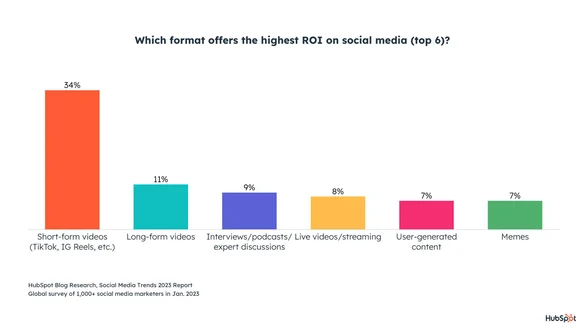
In 2023, short-form video emerged as the leading trend that marketers have capitalized on. According to HubSpot’s 2023 blog, it stands out as the format delivering the highest return on investment (ROI) for social media marketing. As shown in the diagram below.
Hubspot`s Illustration of the Format that offers the Highest ROI.
The Importance of Ephemeral Content
Creating a Sense of Urgency
One of the key reasons ephemeral content has gained traction is its ability to evoke a sense of urgency. With a limited lifespan, users feel compelled to view and interact with the content promptly, fearing they might miss out. This urgency not only boosts engagement but also drives immediate action, making it an ideal tool for time-sensitive promotions and announcements.
Fostering Authenticity and Real-time Connection
Ephemeral content provides a raw and unfiltered glimpse into the daily lives of individuals and brands. Unlike meticulously curated posts, ephemeral content allows for spontaneity, fostering authenticity. This authenticity, coupled with the real-time nature of ephemeral content, enables brands to connect with their audience on a more personal level, creating a genuine and relatable online presence.
Audience Engagement and Interactivity
The interactive features embedded in ephemeral content platforms contribute significantly to audience engagement. Features such as polls, quizzes, and question boxes encourage users to actively participate, transforming content consumption into a two-way conversation. This not only enhances user engagement but also provides valuable insights for brands to understand their audience better.
Overcoming Content Saturation
As social media platforms become saturated with an overwhelming volume of content, ephemeral content offers a refreshing alternative. Its temporary nature prevents the cluttering of feeds, ensuring that users encounter fresh and relevant content during each visit. This uniqueness helps brands stand out in a crowded digital landscape, preventing their message from getting lost in the noise.
Analytics and Measuring Success
Measuring the success of marketing efforts is crucial for refining strategies and optimizing content. Ephemeral content platforms provide analytics tools that offer insights into views, engagement, and interactions. These analytics help brands gauge the effectiveness of their content, allowing for data-driven decision-making and continuous improvement.
Challenges and Risks
While ephemeral content presents numerous advantages, it is essential to acknowledge the associated challenges and risks. The ephemeral nature means that once content disappears, it cannot be revisited. This can pose challenges for brands aiming to create a lasting impact or maintain a consistent brand narrative. Additionally, the temporary nature of content requires a consistent effort to keep the audience engaged.
Future Trends and Innovations
As technology evolves, so does the landscape of digital marketing. Ephemeral content is likely to witness continuous innovation and integration with emerging technologies. Augmented reality (AR), virtual reality (VR), and other immersive experiences may shape the future of ephemeral content, providing brands with even more creative avenues to engage their audience.
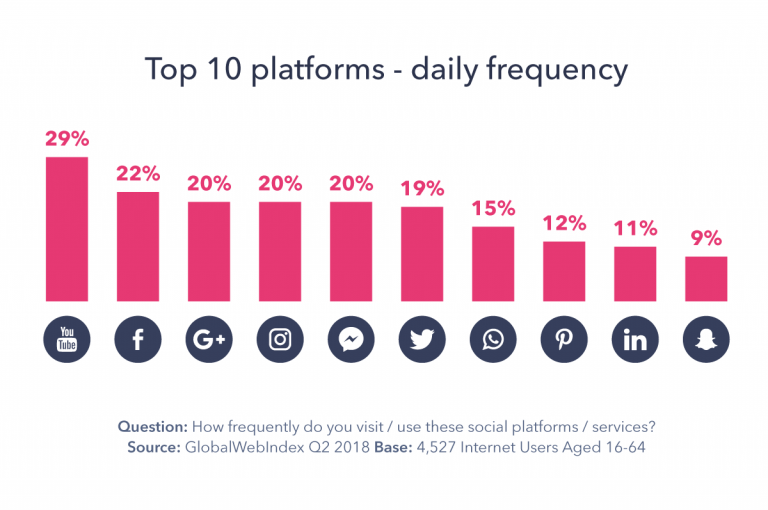
Illustration about the Top 10 most used platforms and their daily use.
The Power of Stories:
Platforms like Instagram and Snapchat pioneered the Stories feature, allowing businesses to share moments, promotions, and behind-the-scenes glimpses. The temporary nature of Stories encourages followers to stay engaged, driving up brand visibility and interaction.
Live Interaction:
Live streaming has become a powerful tool for brands to connect with their audience in real-time. Whether it’s a product launch, Q&A session, or behind-the-scenes look, live content adds a personal touch to digital marketing, fostering a sense of authenticity.
User-Generated Content:
Ephemeral content often thrives on user-generated content (UGC). Encouraging followers to contribute content, whether through challenges or hashtag campaigns, not only engages the audience but also provides a valuable stream of authentic content for brands.
Innovative Ways of Doing Digital Marketing:
As digital marketing continues to evolve, adopting innovative strategies becomes imperative for businesses to stand out. Here are some ways to elevate your digital marketing game:
1. Personalization through AI:
Artificial Intelligence (AI) has revolutionized digital marketing by enabling personalized experiences. Utilizing AI algorithms, businesses can analyze user behavior and preferences, delivering tailored content and recommendations. Personalization enhances user engagement, loyalty, and conversion rates. Integrating Visual-AI to Ephemeral Content please read how visual-AI can help B2B marketers gather data from ephemeral content.
2. Video Marketing Dominance:
Video content remains a dominant force in digital marketing. Short-form videos, long-form storytelling, and interactive video experiences captivate audiences across platforms. Platforms like TikTok and Instagram Reels have propelled the popularity of short, engaging videos, providing a unique space for creative expression.
3. Influencer Marketing Evolution:
Influencer marketing has evolved beyond traditional celebrity endorsements. Micro-influencers, who have smaller but highly engaged audiences, are gaining traction. Collaborating with these influencers can bring authenticity and relatability to your brand, creating more meaningful connections with consumers.
4. Interactive Content Engagement:
Interactive content, such as polls, quizzes, and surveys, transforms passive consumers into active participants. Engaging users in this way not only boosts interaction but also provides valuable insights into consumer preferences, helping refine marketing strategies.
Digital Marketing Trends Shaping the Future:
The digital marketing landscape is in a constant state of flux, with emerging trends reshaping the way businesses connect with their audience. Staying abreast of these trends is vital for staying competitive. Here are some trends shaping the future of digital marketing:
1. Augmented Reality (AR) Integration:
AR is revolutionizing the way consumers experience products online. From virtual try-ons to interactive shopping experiences, brands are leveraging AR to enhance engagement and provide a more immersive online experience.
2. Voice Search Optimization:
With the rise of virtual assistants like Siri, Alexa, and Google Assistant, voice search is becoming increasingly prevalent. Optimizing content for voice search is essential to ensure visibility in this growing segment of search queries.
3. Sustainability and Social Responsibility:
Consumers are becoming more conscientious about the ethical practices of the brands they support. Digital marketing strategies that highlight sustainability, social responsibility, and ethical business practices resonate with an increasingly environmentally and socially aware audience.
4. Data Privacy and Compliance:
As data privacy concerns continue to escalate, digital marketers must prioritize compliance with regulations like GDPR and CCPA. Transparent communication about data usage and stringent security measures build trust with consumers.
For the various benefits of Ephemeral Content, please read the following article posted on searchenginejournal.
World case examples of use of Ephemeral Content
Snapchat Stories:
Snapchat pioneered ephemeral content with its Stories feature, allowing users to share photos and videos that disappear after 24 hours. This has been widely adopted by individuals, influencers, and brands for real-time updates and behind-the-scenes glimpses.
Instagram Stories:
Instagram introduced Stories as a response to Snapchat’s success. Users can share temporary content, including images, videos, and interactive elements. Many brands leverage Instagram Stories for product launches, promotions, and interactive polls.
WhatsApp Status:
WhatsApp, a popular messaging app, incorporated a similar feature called Status. Users can share images, videos, and GIFs with their contacts, and the content disappears after 24 hours.
TikTok:
TikTok is a platform entirely built on short-form, engaging videos. While not strictly ephemeral in the traditional sense, TikTok’s content is designed for quick consumption and often follows trends that come and go rapidly.
Twitter Fleets:
Twitter introduced Fleets, a feature allowing users to share disappearing tweets. This format is designed to encourage more casual and temporary sharing compared to regular tweets.
LinkedIn Stories:
LinkedIn, a professional networking platform, introduced Stories for users to share updates in a more casual and temporary format. This feature was aimed at fostering more personal connections among professionals.
Facebook Stories:
Facebook integrated Stories across its platforms, including Facebook itself, Instagram, and WhatsApp. Users can share ephemeral content with their friends and followers.
Ephemeral Content in Marketing Campaigns:
Many brands leverage ephemeral content in their marketing campaigns. For example, a clothing brand might use Instagram Stories to showcase a limited-time discount code or offer a sneak peek of an upcoming collection.
It’s important to note that the popularity and features of social media platforms may change over time, and new platforms may emerge. Always check the latest trends and platform updates for the most current examples of ephemeral content use.
Conclusion:
In the fast-paced world of digital marketing, embracing ephemeral content and staying attuned to emerging trends is essential for success. By understanding the power of ephemeral content, exploring innovative marketing strategies, and adapting to the latest trends, businesses can forge meaningful connections with their audience, elevate brand visibility, and stay ahead in the competitive digital landscape. Visit our blog page for more insightful blogs and articles about the digital marketing landscape. You can also find us at LinkedIn, Instagram and Facebook.
In an era where global challenges like climate change, social inequality, and environmental degradation loom large, businesses are increasingly recognizing the importance of incorporating sustainability and Corporate Social Responsibility (CSR) into their core values and operations. Sustainability and Corporate Social Responsibility (CSR) are not just buzzwords; they represent a paradigm shift in the way companies engage with their stakeholders and the broader community.
Defining Sustainability and CSR:
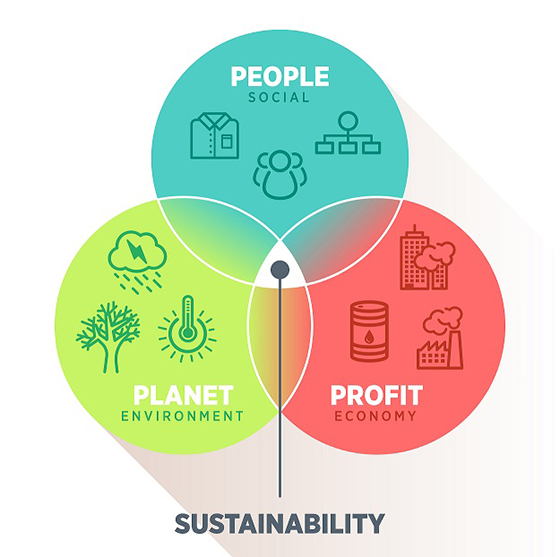
Sustainability is a broad concept encompassing practices that ensure the long-term viability of economic, social, and environmental systems. It goes beyond mere profitability, focusing on responsible resource use, environmental conservation, and social well-being. CSR, on the other hand, specifically addresses a company’s ethical obligations to its stakeholders, including customers, employees, communities, and the environment. Together, these concepts encourage businesses to adopt a holistic approach that considers the triple bottom line—people, planet, and profit.
Infographic Illustration of the relationship between Sustainability and CSR.
Benefits of Embracing Sustainability and CSR:
1. Enhanced Reputation and Brand Image: Companies that actively engage in sustainable practices and CSR initiatives often enjoy a positive public perception. Consumers are becoming more conscious of the ethical and environmental impact of their purchases, and they are inclined to support businesses that align with their values. Building a strong reputation for social responsibility can lead to increased customer loyalty and trust.
2. Risk Mitigation: Embracing sustainability helps businesses mitigate risks associated with environmental and social issues. Proactive measures, such as responsible sourcing and production practices, can shield companies from legal and financial repercussions. Moreover, demonstrating a commitment to CSR can act as a buffer against public relations crises, as stakeholders are more forgiving of companies with a history of responsible behavior.
3. Operational Efficiency: Sustainability often involves optimizing resource use and reducing waste. Companies adopting eco-friendly technologies and practices not only contribute to environmental conservation but also enhance their operational efficiency. From energy-efficient technologies to waste reduction strategies, sustainable practices can lead to cost savings over the long term.
4. Attracting and Retaining Talent: In a competitive job market, employees increasingly seek employers who share their values. Companies with strong sustainability and CSR programs are more likely to attract top talent. Moreover, a commitment to social responsibility can boost employee morale and engagement, contributing to higher retention rates.
Challenges in Implementing Sustainability and Corporate Social Responsibility (CSR):
1. Balancing Profitability and Responsibility: One of the main challenges businesses face is finding a balance between profitability and responsibility. While CSR and sustainability initiatives can yield long-term benefits, the initial investments and adjustments to business practices may pose short-term financial challenges. Companies must navigate this delicate balance to ensure they remain economically viable while fulfilling their ethical obligations.
2. Measuring Impact: Quantifying the impact of sustainability and CSR initiatives can be challenging. Unlike traditional financial metrics, the positive effects on the environment or society may not be immediately apparent. Companies need robust measurement tools to assess and communicate the tangible outcomes of their efforts, demonstrating transparency and accountability.
3. Global Supply Chain Complexity: Many businesses operate in complex global supply chains, making it challenging to ensure that all aspects of their operations adhere to sustainable and ethical standards. Implementing sustainability across the entire supply chain requires collaboration with suppliers, and it may involve additional costs and complexities.
The Business Case for Sustainability and CSR:
Forward-thinking companies are increasingly realizing that sustainability and CSR are not just about doing good for the planet and society—they are also good for business. Consumers are becoming more conscious of the environmental and social impacts of their purchases, and they prefer companies that align with their values. Embracing sustainability and CSR can enhance a company’s reputation, attract a loyal customer base, and foster innovation. Moreover, it can mitigate risks associated with climate change, resource scarcity, and regulatory pressures.
The Evolving Landscape of Sustainability and CSR:
1. Regulatory Trends: Governments worldwide are increasingly recognizing the importance of sustainability and social responsibility. This has led to the implementation of stricter regulations and reporting requirements. Businesses need to stay informed about evolving regulatory landscapes to ensure compliance and to adapt their practices accordingly.
2. Integration of Sustainable Development Goals (SDGs): The United Nation`s Sustainable Development Goals (SDGs) provide a global framework for addressing pressing challenges, including poverty, inequality, and climate change. Many businesses are aligning their sustainability initiatives with the SDGs, contributing to global efforts while enhancing their corporate reputation.
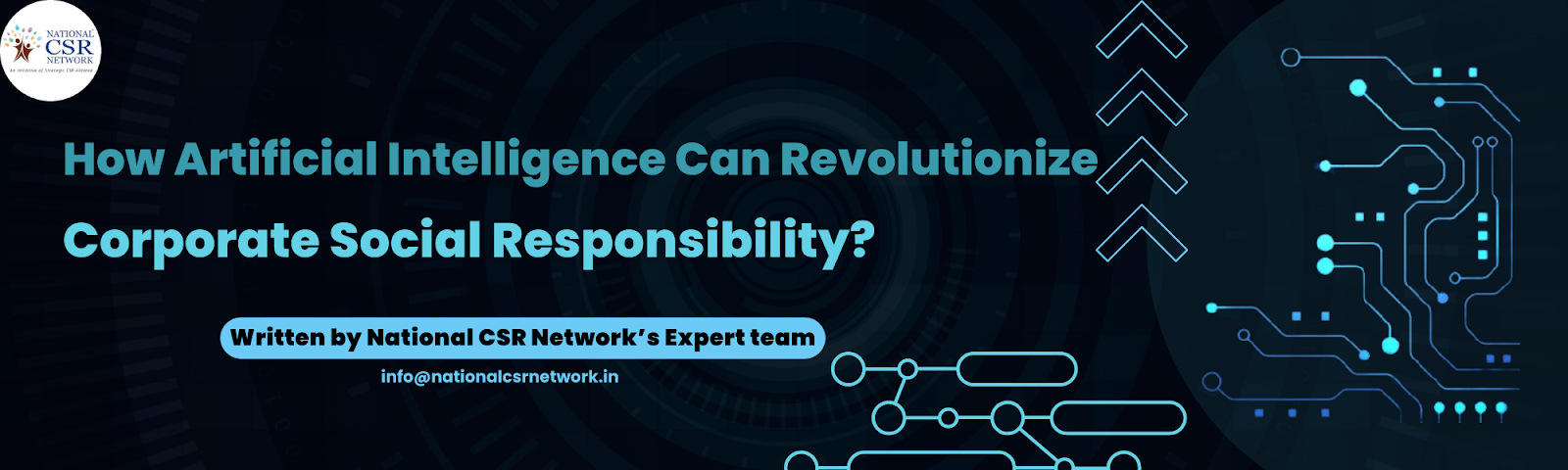
3. Technology as a Catalyst: Advancements in technology are playing a pivotal role in driving sustainability and CSR. From blockchain for supply chain transparency to artificial intelligence (AI) for resource optimization, technology offers innovative solutions that can revolutionize the way businesses approach sustainability.
A good example of how AI can revolutionize CSR is well illustrated in this LinkedIn blog as shown on the image below.
Best Practices for Integrating sustainability and CSR:
1. Leadership Commitment: Successful integration of sustainability and CSR starts at the top. Leadership commitment is crucial in setting the tone for the entire organization. When leaders prioritize these values, it permeates throughout the company culture.
2. Stakeholder Engagement: Engaging stakeholders—customers, employees, investors, and the community—is vital. Understanding their expectations and concerns helps tailor sustainability and CSR initiatives, making them more effective and meaningful.
3. Transparency and Reporting: Transparent communication about a company`s sustainability performance builds trust. Regular reporting on key metrics and progress towards goals demonstrates accountability and reinforces the commitment to responsible business practices.
4. Innovation for Sustainability: Companies should foster a culture of innovation to develop sustainable products and services. Innovation can drive efficiency, reduce environmental impact, and open new markets.
5. Supply Chain Responsibility: Assessing and improving the sustainability of the supply chain is crucial. Collaborating with suppliers to ensure ethical practices and reducing the environmental footprint of the entire value chain is a significant step.
6. Employee Involvement: Employees are valuable advocates for sustainability within an organization. Engage them through training, awareness programs, and by involving them in decision-making processes related to CSR initiatives.
7. Adherence to Global Standards: Aligning with international standards, such as the Global Reporting Initiative (GRI) or the United Nations Sustainable Development Goals (SDGs), provides a framework for effective sustainability reporting and ensures a globally recognized commitment to responsible business practices. Please refer to the following well written blog about the elements and benefits of strategic CSR.
Real-world Examples:
Several companies are leading the way in integrating sustainability and CSR into their business models:
1. Patagonia: Known for its commitment to environmental sustainability, Patagonia not only produces outdoor clothing but also encourages customers to repair and recycle their products. The company donates a percentage of its profits to environmental causes and advocates for sustainable business practices.
2. Unilever: Unilever has committed to making sustainable living commonplace. Through its Sustainable Living Plan, the company focuses on reducing its environmental footprint, improving health and well-being, and enhancing livelihoods. Unilever`s efforts extend from sourcing sustainable raw materials to promoting social responsibility.
3. Tesla: Tesla`s mission is to accelerate the worlds transition to sustainable energy. Beyond producing electric vehicles, Tesla is involved in renewable energy projects and energy storage solutions. The company’s commitment to sustainability is at the core of its business strategy.
According to a study done in Kenya, the following are the top 25 corporations and organizations leading in Social Responsibility in 2023
The significance of integrating sustainability and CSRinto corporate strategies
Emphasizing the benefits and the role businesses play in shaping a more sustainable and equitable world.
1. Environmental Stewardship: Sustainability involves minimizing the environmental impact of business operations. Companies can adopt eco-friendly practices, such as reducing carbon emissions, minimizing waste, and promoting the use of renewable energy. Embracing sustainability not only helps mitigate climate change but also positions businesses as responsible stewards of the environment, fostering a positive public image and attracting environmentally conscious consumers.
2. Social Impact: CSR initiatives enable companies to address social issues and contribute to the well-being of communities. This can involve supporting education, healthcare, poverty alleviation, and other social causes. By actively engaging in the betterment of society, businesses can build stronger relationships with their customers, employees, and communities, creating a positive brand image that goes beyond the products or services they offer.
3. Economic Resilience: Long-term sustainability strategies can contribute to economic resilience. Companies that invest in sustainable practices often find themselves better prepared for emerging regulations, market shifts, and resource scarcity. By reducing dependency on finite resources and embracing circular economy principles, businesses can create more robust and adaptable models that are less susceptible to economic shocks.
4. Employee Engagement and Well-being: A commitment to sustainability and CSR can significantly impact employee satisfaction and engagement. Many employees, particularly from younger generations, seek purpose-driven workplaces. Companies that demonstrate a genuine commitment to social and environmental responsibility are likely to attract and retain top talent, fostering a positive and motivated workforce.
5. Regulatory Compliance and Risk Mitigation: Governments worldwide are increasingly implementing regulations aimed at promoting sustainability and responsible business practices. Embracing these principles not only ensures compliance but also mitigates legal and reputational risks.
6. Consumer Trust and Loyalty: Modern consumers are more informed and conscious of the impact their choices have on the world. By embracing sustainability and CSR, businesses can build trust and loyalty among consumers who are increasingly favoring brands with a social and environmental conscience. Transparent communication about sustainable practices enhances brand credibility and fosters long-term customer relationships.
In conclusion:
As businesses navigate the complexities of the modern world, embracing sustainability and CSR is no longer a choice but a necessity. The benefits, ranging from enhanced reputation to operational efficiency, are substantial, outweighing the challenges associated with implementation. Moreover, the evolving landscape, marked by regulatory trends and global initiatives like the SDGs, emphasizes the interconnectedness of businesses with broader societal and environmental goals.
Furthermore, businesses that prioritize Sustainability and Corporate Social Responsibility (CSR) are not just contributing to a better world. They are also positioning themselves for long-term success in an increasingly conscious and interconnected global economy. As consumers, investors, and employees continue to prioritize ethical and sustainable practices, embracing these principles is not just a corporate responsibility—it’s a strategic imperative for a brighter and more sustainable future.